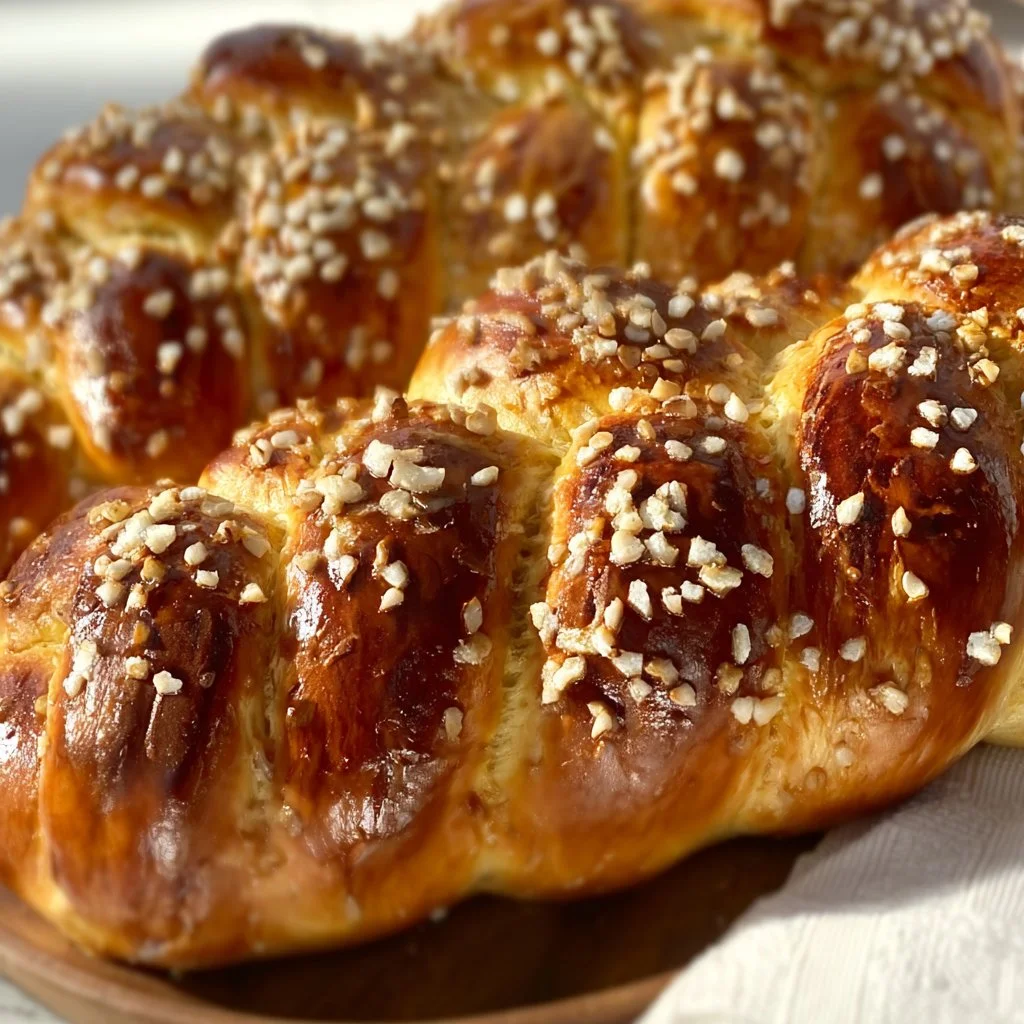
How to Make Authentic Tsoureki: A Traditional Greek Easter Sweet Bread
Hello, my fellow kitchen adventurers! I’m Jackson Walker, and today I’m thrilled to take you on a flavor-filled journey to Greece with the beloved Easter delicacy: Tsoureki. This luxurious sweet bread is more than just a treat; it’s a delicious slice of Greek tradition, often gracing tables during the Easter festivities. It’s not only perfect for celebrating but also a fantastic way to elevate any meal or snack—yes, even breakfast!
As we dive into the world of Tsoureki, you might be wondering, “What makes this bread so special?” Well, it’s all about the ingredients and the love poured into each loaf. Tsoureki is rich with warm spices, zesty flavors, and a soft, fluffy texture that will make your taste buds dance. We’re talking about an aromatic blend of mahlepi, mastiha, and citrus zest, all coming together to create a truly unforgettable bread that’s perfect for sharing with family and friends.
I remember the first time I tried my hands at making this beautiful loaf. I must have been around twelve, shadowing my grandmother in her bustling kitchen, surrounded by the comforting scents of baking bread and citrus. Watching her knead the dough, I felt an overwhelming sense of connection to my roots and the generations that came before me. The way she folded in the warm and fragrant spices made every step feel like a ritual. And let me tell you—when that fresh Tsoureki came out of the oven, the whole house seemed to welcome spring with open arms!
Now, I’m here to share that same sense of joy and accomplishment with all of you! Ready? Let’s get our aprons on and transform your kitchen into a little piece of Greece!
Personal Story
Growing up, Tsoureki was synonymous with family gatherings and joyous celebrations. I particularly remember the Easter where my grandmother decided to up the ante and tackle the recipe with a twist. She invited the whole family over, insisting that we all be part of the process. And let me tell you, nothing could compare to the delightful chaos of the kitchen filled with laughter, flour flying everywhere, and us kids desperately trying to ensure we didn’t turn the dough into a sticky mess.
After hours of kneading, waiting, and of course, sampling the batter (because who could resist?), the moment finally arrived: the bread was out of the oven, golden brown and glistening. We gathered around the kitchen table, and it was there, over a slice of still-warm Tsoureki, topped with sweet butter and a sprinkle of cinnamon, that I truly tasted home. The joy that came from sharing that moment with loved ones ignited my passion for cooking. It became clear to me: food was not just about taste; it was about memories, connection, and the pure delight of sharing.
So, join me in baking this delightful bread! Let’s create our own flavor-filled memories that we can cherish for years to come.
Ingredients
To make your very own Tsoureki, grab the following ingredients and get ready for a delightful experience!
-
150 grams plain strong bread flour: This high-protein flour is perfect to give our bread that amazing stretch and chew. Feel free to use all-purpose flour if needed, but you’ll miss out on that ideal texture.
-
2 tablespoons sugar: A little sweetness goes a long way in making our dough rise nicely! You can swap this for honey or maple syrup for a unique twist.
-
14 grams dry active yeast (2 tablespoons): This is what gives our bread its fluffiness! If you have fresh yeast, use 42 grams instead.
-
250 ml warm water: It needs to be comfortably warm, around 110°F (43°C). Too hot, and you’ll kill the yeast; too cold, and it won’t activate.
-
1.5 kg plain strong bread flour: The hero ingredient of our Tsoureki! Extra flour will help us achieve the right consistency for our dough.
-
300 grams sugar: This will help develop the beautiful sweetness that Tsoureki is known for. Want to go lower on sugar? Consider a sugar substitute suitable for baking!
-
4 grams mastiha (ground): A traditional Greek gum that adds a unique pine-like aroma that’s hard to replicate. Can’t find it? Try dropping a hint of anise for a different flavor profile.
-
3 teaspoons mahlepi: This spice made from the ground pits of wild cherries offers the sweet, aromatic touch our dough craves. If you’re in a pinch, a bit of cinnamon can be an alternative.
-
1 teaspoon cardamom: A lovely spice with a warming flavor; it’s essential for that festive touch! Black pepper can be used as an alternative, though the flavor will change.
-
1 teaspoon salt: This brings out all the flavors while enhancing the dough structure.
-
2 oranges (zest): Fresh zest is where all the flavor lies. If you’re short on oranges, lemon zest is a nice substitute!
-
400 ml milk (room temperature): Make sure it’s warm to help with yeast activation, bringing extra tenderness to the bread!
-
4 eggs: They enrich the dough, lending a beautiful hue and flavor. You can swap them with a flax egg if vegan.
-
250 grams melted unsalted butter: No need to skimp here; it gives Tsoureki that rich untamed character. Use coconut oil if going dairy-free.
-
2 teaspoons vanilla essence: A warm touch of vanilla adds depth to our delicious bread; do consider fresh vanilla bean if you’re feeling fancy!
-
1 egg: This will be used to brush on top for that lovely glaze—don’t skip it!
-
1 tablespoon milk: Helps with the egg wash.
-
Sesame seeds and sliced almonds: These toppings add a delightful crunch. Feel free to use poppy seeds or even crushed pistachios for a fun twist!
Step-by-Step Instructions
Now that we have our ingredients, it’s time to roll up our sleeves and get baking!
Step 1: Prepare the Yeast
In a small bowl, combine the 150 grams of bread flour, 2 tablespoons of sugar, and 14 grams of yeast. Add in the 250 ml of warm water and mix until a thick paste forms. Let this sit for about 10 minutes until it’s all frothy. This is the yeast coming to life, so keep an eye on it. If it doesn’t foam, you may need to start over—this is a common beginner mistake.
Step 2: Make the Dough
In a large mixing bowl, combine the 1.5 kg of strong bread flour, 300 grams of sugar, 4 grams of mastiha, 3 teaspoons of mahlepi, 1 teaspoon of cardamom, and 1 teaspoon of salt. Whisk it all together! The spices and sweetness will start to mingle, creating an enticing aroma.
Step 3: Mix in the Wet Ingredients
Create a well in your dry ingredients and pour in the yeast mixture, 400 ml of warm milk, 4 eggs, and 250 grams of melted butter. Add the zest of your 2 oranges and 2 teaspoons of vanilla essence. Use a wooden spoon to start folding the dry ingredients into the wet ones. Once combined, it’s time to get your hands dirty—literally!
Step 4: Knead the Dough
Turn the dough out onto a floured surface. Knead it for about 10 minutes until it’s smooth and elastic. This should be a fun, meditative process, so don’t rush! If it’s too sticky, add a little extra flour. A key tip is to stretch and fold; this will help develop the gluten, giving your Tsoureki that beautiful chewy texture.
Step 5: First Proof
Place the kneaded dough in a lightly greased bowl and cover it with a damp cloth. Let it rise in a warm spot for about 1.5 to 2 hours, or until it has doubled in size. Feel free to pop it in an off oven or a cozy corner of your home to retain warmth—this is where the magic happens!
Step 6: Shape the Loaves
Once doubled, punch down the dough (yes, let out all that joy!) and turn it onto a floured surface. Divide the dough into three equal parts for a classic braid or four for a traditional round loaf. Roll each piece into long ropes, about 1-inch thick. Then, braid them together or twist them into a circle.
Step 7: Second Proof
Place your braided or shaped loaf onto a parchment-lined baking tray and cover it again. Let it rise for another 30-45 minutes until it puffs up. This is also when you preheat your oven to 180°C (350°F) so it’s nice and hot when your bread is ready to bake.
Step 8: Egg Wash and Bake
Mix the 1 egg with 1 tablespoon of milk and brush it over the top of your dough. Sprinkle with sesame seeds or sliced almonds. Bake in your preheated oven for 30-35 minutes or until golden brown and you hear a hollow sound when you tap the bottom.
Step 9: Cool and Enjoy
Once out of the oven, let the Tsoureki cool on a wire rack. The aroma at this stage is intoxicating! Slice it up and serve it warm with butter or simply on its own—trust me, it’s a slice of heaven!
Serving Suggestions
Tsoureki is best enjoyed fresh, but it’s so versatile! Here’s how you can serve this delightful bread:
-
Plain and Simple: Slice and serve it warm as is. The golden crust paired with its fluffy interior is perfection.
-
With a Twist: Spread it with a generous slab of butter and a sprinkle of cinnamon—a wonderful breakfast choice!
-
Toast it Up: Lightly toast slices and serve with jam or honey for a luscious twist.
-
Dessert Style: Jazz it up with a scoop of ice cream on the side or make a decadent French toast out of it—simply dip slices in an egg mixture and pan-fry!
-
As a Gift: Traditionally, Tsoureki can be braided and box beautifully, making it a thoughtful gift during Easter gatherings.
Recipe Variations
Here’s where you can get creative with your Tsoureki:
-
Chocolate Chip Tsoureki: Fold in a cup of semi-sweet chocolate chips into the dough for a luscious touch.
-
Dried Fruit Delight: Toss in chopped dried fruits like apricots, cranberries, or figs for a fruity twist.
-
Nutty Version: Incorporate chopped walnuts or hazelnuts into your dough for added richness and texture.
-
Spiced Tsoureki: Add a pinch of cloves or nutmeg to give your loaf a warm, cozy flavor that’s perfect for the holidays.
-
Gluten-Free Tsoureki: Swap out the bread flour for a gluten-free baking blend and adjust the hydration slightly for optimal results.
Chef’s Notes
Tsoureki holds a special place in my heart. As I mentioned, my own journey in the kitchen began with this recipe, and over the years, I’ve made countless tweaks to make it my own. I’ve played around with different flavor combinations, from infusing herbs to using flavored butters. I once even had a small baking mishap where I added way too much sugar! Spoiler alert—caramelized heaven was born that day!
Every time I make Tsoureki, I’m reminded of the laughter, the joy, and the connection we all have through food. So I urge you, whether you’re making it to celebrate or just because, enjoy every step of the process. And trust me, it will be worth every ounce of flour.
FAQs and Troubleshooting
1. Why is my dough not rising?
If your dough isn’t rising, it might be because the yeast isn’t activated. Make sure your water is warm, not hot, and that the yeast hasn’t expired!
2. Can I make this ahead of time?
Absolutely! You can prepare the dough, let it rise, and refrigerate it overnight. Just let it come to room temperature before shaping and the second proof.
3. What should I do if my Tsoureki is too dense?
A dense Tsoureki can result from over-kneading or not enough hydration! Be careful when kneading and ensure you’re adding just enough flour to keep it manageable.
4. How do I store leftovers?
Store your Tsoureki in an airtight container at room temperature for up to three days. You can also slice and freeze it for longer storage—thaw it in the fridge or at room temperature before enjoying!
Nutritional Info
Let’s break down the nutritional elements, shall we? Keep in mind that these values are an estimate based on standard ingredients, and they vary based on serving sizes:
- Calories (per slice): Approximately 230
- Protein: 6g
- Carbohydrates: 30g
- Sugar: 10g
- Fat: 10g
- Fiber: 1g
This can change depending on toppings and ingredients used, and if you’re looking for healthier swaps, try reducing the sugar or using whole grains!
Final Thoughts
Making Tsoureki is more than just a recipe—it’s a heartwarming experience filled with delightful aromas, cherished memories, and delicious taste. This traditional Greek sweet bread is perfect not just for Easter but any gathering where you want to spread some love and warmth.
So roll up your sleeves, gather your ingredients, and dive into this flavorful journey. Whether it’s the first time you’re making it or the hundredth, each loaf is a chance to create something special. I can’t wait to see how your Tsoureki turns out—so snap a pic and share it with me!
Happy baking, friends. Let’s create some unforgettable moments in the kitchen together! 🍞✨
Now grab a cup of coffee and enjoy the fruits of your labor! Cheers to flavor, fun, and family!
Print
Authentic Tsoureki: Traditional Greek Easter Sweet Bread
- Total Time: 105 minutes
- Yield: 8 servings 1x
- Diet: Vegetarian
Description
Tsoureki is a luxurious sweet bread packed with rich spices and zesty flavors, perfect for celebrating Easter or elevating any meal.
Ingredients
- 150 grams plain strong bread flour
- 2 tablespoons sugar
- 14 grams dry active yeast (2 tablespoons)
- 250 ml warm water
- 1.5 kg plain strong bread flour
- 300 grams sugar
- 4 grams mastiha (ground)
- 3 teaspoons mahlepi
- 1 teaspoon cardamom
- 1 teaspoon salt
- 2 oranges (zest)
- 400 ml milk (room temperature)
- 4 eggs
- 250 grams melted unsalted butter
- 2 teaspoons vanilla essence
- 1 egg (for glazing)
- 1 tablespoon milk (for egg wash)
- Sesame seeds and sliced almonds (for topping)
Instructions
- Prepare the yeast: In a small bowl, combine 150 grams of bread flour, 2 tablespoons of sugar, and 14 grams of yeast. Add in 250 ml of warm water and mix until a thick paste forms. Let this sit for about 10 minutes until frothy.
- Make the dough: In a large mixing bowl, combine 1.5 kg of strong bread flour, 300 grams of sugar, 4 grams of mastiha, 3 teaspoons of mahlepi, 1 teaspoon of cardamom, and 1 teaspoon of salt. Whisk together.
- Mix in the wet ingredients: Create a well in the dry ingredients and pour in the yeast mixture, 400 ml of warm milk, 4 eggs, and 250 grams of melted butter. Add the zest of the oranges and 2 teaspoons of vanilla essence. Fold until combined.
- Knead the dough: Turn the dough out onto a floured surface. Knead for about 10 minutes until smooth and elastic. Adjust with extra flour if too sticky.
- First proof: Place the kneaded dough in a greased bowl, cover, and let it rise in a warm spot for about 1.5 to 2 hours until doubled in size.
- Shape the loaves: Punch down the dough, turn it onto a floured surface, divide, and roll into long ropes. Braid or twist as desired.
- Second proof: Place the shaped loaf on a parchment-lined baking tray, cover, and let rise for another 30-45 minutes. Preheat your oven to 180°C (350°F).
- Egg wash and bake: Mix 1 egg with 1 tablespoon of milk and brush over the dough. Sprinkle with seeds or nuts. Bake for 30-35 minutes until golden brown.
- Cool and enjoy: Let the Tsoureki cool on a wire rack. Slice and serve warm.
Notes
Tsoureki is best enjoyed fresh, but it can also be toasted or served with butter and cinnamon.
- Prep Time: 30 minutes
- Cook Time: 35 minutes
- Category: Dessert
- Method: Baking
- Cuisine: Greek
Nutrition
- Serving Size: 1 slice
- Calories: 230
- Sugar: 10g
- Sodium: 150mg
- Fat: 10g
- Saturated Fat: 4g
- Unsaturated Fat: 4g
- Trans Fat: 0g
- Carbohydrates: 30g
- Fiber: 1g
- Protein: 6g
- Cholesterol: 80mg
Keywords: Tsoureki, Greek bread, Easter bread, sweet bread, traditional recipes