Japanese Chicken Tsukune: Your New Favorite Flavor Adventure
Hey friends, Jackson from Food Meld here! Let’s get something straight right off the bat: your kitchen is not a museum. It’s a playground. It’s a laboratory. It’s the place where a little bit of “what if we tried this?” energy can lead to the most unforgettable meals. And today, we’re taking that energy straight to the vibrant, umami-packed streets of Japan with a recipe that’s about to become your new grilling (or pan-frying!) best friend: Chicken Tsukune.
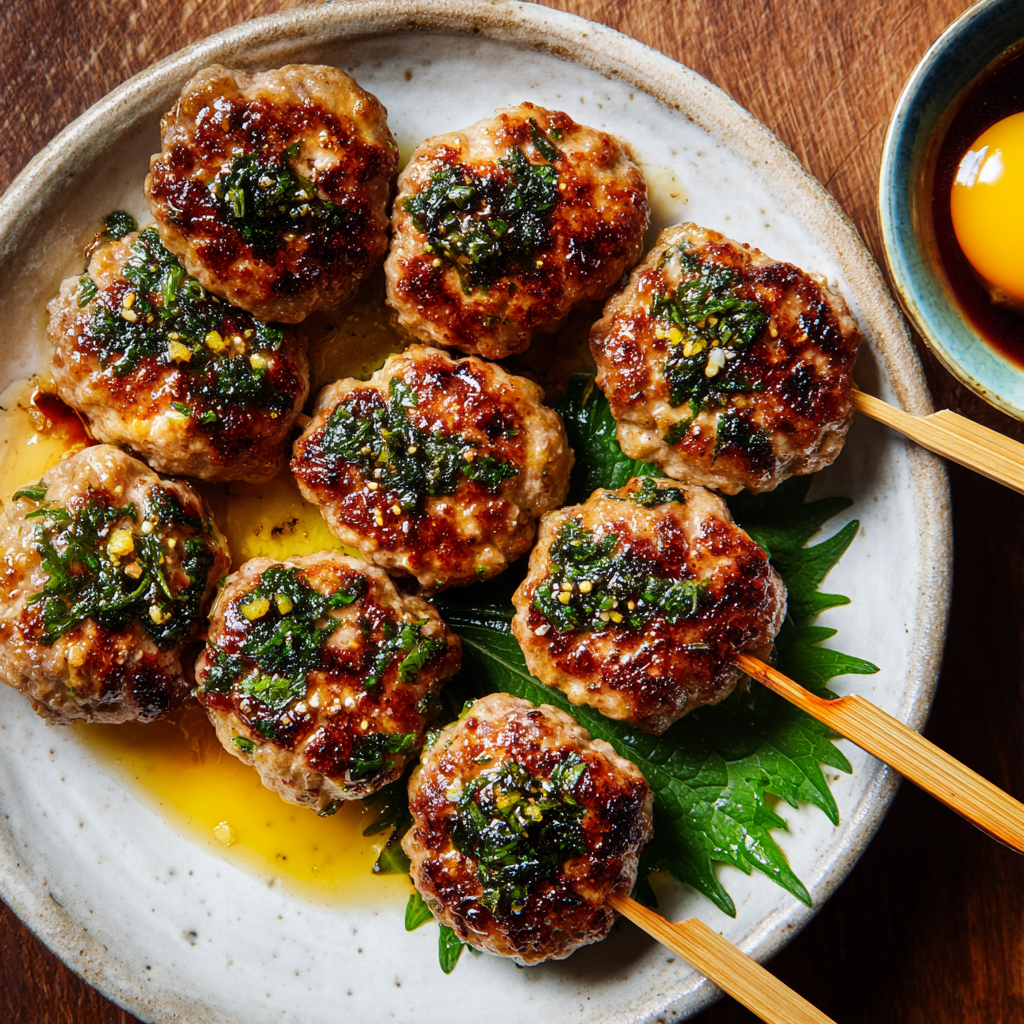
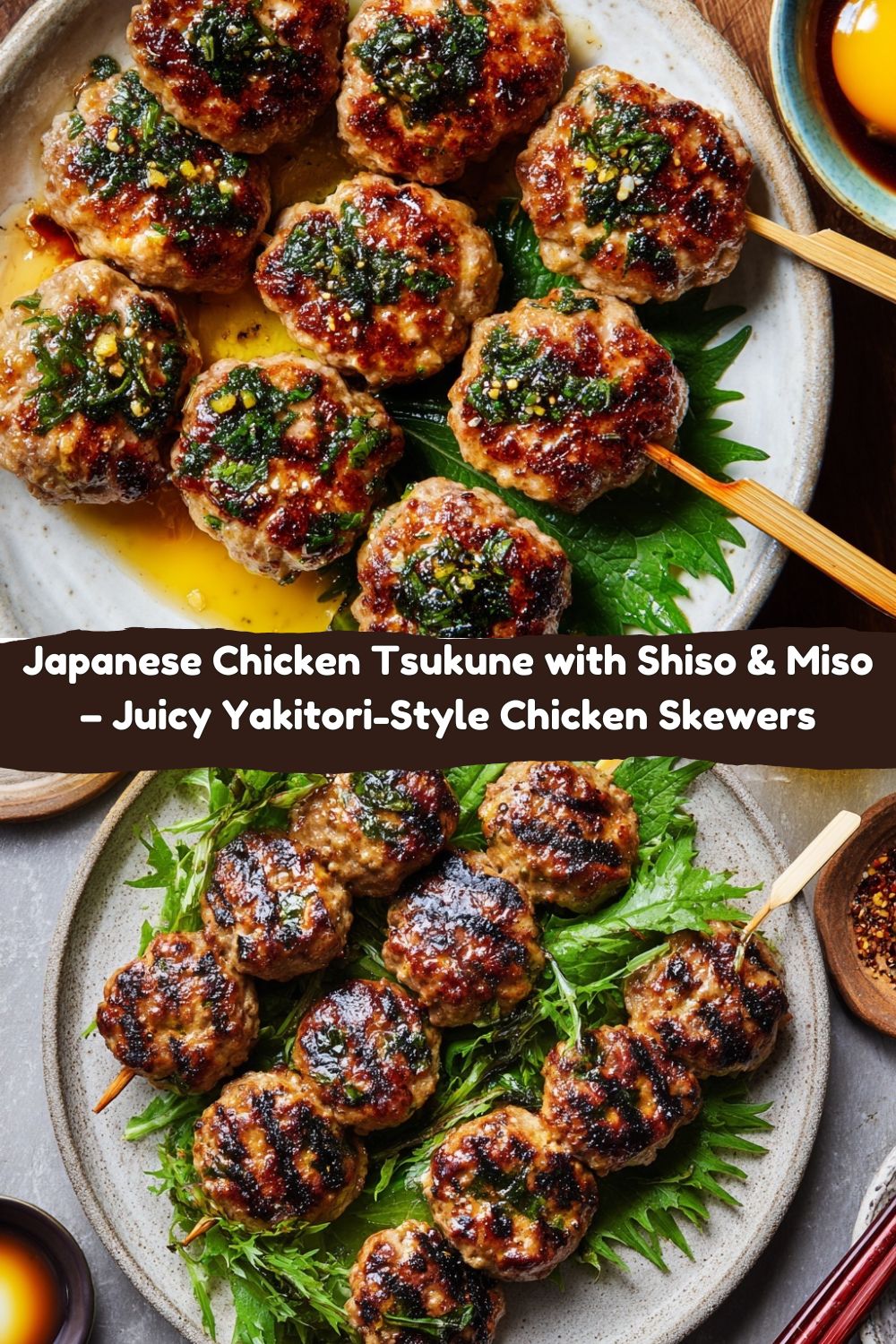
Now, if you’ve never heard of tsukune (pronounced tskoo-neh), you’re in for a treat. Imagine the juiciest, most flavorful chicken meatball you’ve ever had, but with a delicate, almost springy texture. Now imagine it glazed with a savory-sweet sauce or served with a decadent, silky egg yolk dip. Yeah, it’s that good. This isn’t just another chicken recipe; it’s a textural and flavor experience. It’s the kind of dish that makes people stop mid-bite, look at you, and just say, “Wow.”
I’ve taken the classic yakitori shop staple and given it the Food Meld treatment. We’re keeping the soul of the dish 100% authentic but weaving in a few simple tricks to make it foolproof for your home kitchen. We’re talking bold, comforting flavor with a creative twist—in this case, the incredible, aromatic punch of shiso leaf and the deep umami of miso. This recipe is juicy, savory, and perfectly grill-ready. So, whether you’re firing up the barbecue or just using a trusty skillet, we’re about to cook something awesome together. Let’s dive in.
A Tokyo Memory That Stuck (Almost as Much as the Flavor)
I’ll never forget the first time I had real tsukune. I was in a tiny, smoky yakitori alley in Tokyo, squeezed onto a wooden stool at a counter no bigger than a cutting board. The chef, a master of his craft with a headband and a focused scowl, worked his grill with a rhythmic precision that was almost musical. He’d flip, brush, and season skewers with a fluidity that came from a lifetime of practice.
When he slid a plate of tsukune towards me, they were glistening, slightly charred, and smelled like heaven. I picked one up, dipped it into a small bowl of raw egg yolk, and took a bite. The flavor explosion was unreal. It was juicy, complex, and had this unique herby note I couldn’t place. I asked the chef (through a lot of pointing and gesturing) what it was. He just held up a vibrant green leaf: shiso. That one bite, in that tiny alley, was a perfect “Food Meld” moment—simple ingredients, masterful technique, and a flavor that told a story. This recipe is my love letter to that memory.
Gathering Your Flavor Arsenal
Here’s everything you need to create this magic. Don’t be intimidated by a few unfamiliar ingredients; I’ll break down exactly what they are and why they’re non-negotiable for that authentic, unforgettable taste.
- ½ onion, grated and squeezed dry – This is our secret weapon for moisture and sweetness without chunky bits. Grating it creates a juicy onion puree that melds seamlessly into the chicken. Chef’s Insight: Squeezing out the excess liquid is crucial! We want the flavor, not the water, which would make our tsukune mushy.
- 500 g ground chicken – I love a 50/50 mix of thigh and breast for the perfect balance of flavor and leanness. Thigh meat brings the fat and juiciness, while breast keeps it from being too heavy.
- 10 perilla (shiso) leaves, finely sliced – The star of the show! Shiso has a unique, aromatic flavor—a bit like a mint-basil-cilantro party. It’s bright, refreshing, and absolutely essential. Substitution Tip: If you absolutely cannot find shiso (check Asian markets!), a mix of fresh mint and basil is the closest you’ll get, but the flavor will be different.
- 2 tbsp Japanese mayonnaise – Yes, mayo! Japanese mayo (like Kewpie) is richer, creamier, and has a touch of umami. It acts as a binder and adds a subtle richness that elevates the entire mixture.
- 2 tsp grated ginger or ginger paste – For that warm, zippy kick that cuts through the richness.
- 1 tsp yellow miso paste (awase) – Our umami bomb. Miso adds a deep, fermented savoriness that makes the flavor so much more complex than just salt.
- 2 tsp chicken bouillon powder – This is our flavor amplifier. A little bit goes a long way in reinforcing the savory chicken flavor. Chinese-style or Japanese hondashi granules both work great.
- 4 tbsp potato starch (katakuriko) – The key to the perfect texture! Unlike breadcrumbs, potato starch gives the tsukune that signature springy, bouncy, and tender bite. Substitution Tip: Cornstarch can work in a pinch, but potato starch is superior for its texture.
- 2 pinches black pepper – A simple, essential layer of spice.
- 2 tsp cooking oil, plus more for greasing hands – For cooking and for keeping the sticky mixture from becoming a hand-full of trouble!
- 10 bamboo skewers (optional) – For that classic yakitori presentation. Soak them in water for 30 minutes before using to prevent burning.
- 2 pasteurized egg yolks (optional, for dipping) – The traditional, decadent dip. It creates a rich, silky coating that is out-of-this-world good. Safety First: Always use pasteurized eggs for this if you’re serving anyone with a compromised immune system, or skip it.
Let’s Get Our Hands Dirty: The Tsukune Method
This is where the fun begins. We’re not just mixing; we’re building texture and flavor with our hands. Put on some music, and let’s do this.
- Prep Your Aromatics. Start by grating your onion onto a clean kitchen towel or several layers of paper towels. Gather the edges and squeeze, squeeze, SQUEEZE over the sink until no more liquid drips out. You’ll be amazed at how much water comes out! Then, finely slice your shiso leaves into little ribbons. This prep work is what makes the final texture perfect.
- The Big Meld. In a large bowl, combine the squeezed onion, ground chicken, sliced shiso, Japanese mayo, ginger, miso, bouillon powder, potato starch, and black pepper. Now, roll up your sleeves and get in there with your hands. Mix everything together for a good minute or two until it becomes sticky, homogenous, and slightly pale. That stickiness is a good sign—it means the proteins are binding, which is what gives us that springy texture. Chef’s Hack: To test the seasoning, pinch off a tiny bit of the mixture and pan-fry it for a minute. Taste it and adjust the salt or pepper if needed. Easy!
- Shape & Skewer. Lightly oil your hands—this is a non-negotiable step unless you want chicken-cement hands. Take a generous tablespoon-and-a-half of the mixture and form it into a small, oblong log, about the size of a fat finger. If you’re using skewers, gently press and mold the log around the top third of a pre-soaked skewer, making sure it’s attached firmly. Pro Tip: Don’t make them too thick, or the outside will burn before the inside cooks through.
- The Chill Factor. Place your shaped tsukune on a plate and pop them in the fridge for 10-15 minutes. This is another secret weapon! Chilling firms them up, which means they’ll hold their shape beautifully and won’t fall apart in the pan or on the grill.
- Cook to Golden Perfection. Heat your oil in a large non-stick or cast-iron skillet over medium heat. Once the oil is shimmering, carefully add your tsukune, working in batches if needed to avoid crowding the pan. Cook for 3-4 minutes per side, pressing down gently, until they are a deep, golden brown and cooked through. You can check by cutting one open—there should be no pink. Chef’s Hack: If you want a glaze, mix 1 tbsp each of soy sauce, mirin, and a pinch of sugar. Brush it on in the last minute of cooking for a gorgeous, sticky finish.
Plating Up Your Masterpiece
How you serve these juicy flavor bombs is half the fun! For a truly authentic yakitori experience, serve them right on the skewers, arranged on a long platter. Place a small bowl of those pasteurized egg yolks in the center for dipping. The visual is just stunning.
For a full meal that will absolutely wow your family or guests, pair these tsukune with a big bowl of fluffy, steamed Japanese short-grain rice. The rice is the perfect canvas for all those savory juices. Add a simple, crunchy cucumber salad with a rice vinegar dressing or some quick-pickled red onions to cut through the richness. A sprinkle of shichimi togarashi (Japanese seven-spice) over the top adds a beautiful color and a hint of heat. It’s a complete, restaurant-quality meal that you made with your own two hands.
Make It Your Own: Food Meld Twists
This recipe is a fantastic base for your own creativity. Here are a few of my favorite ways to mix it up:
- The Green Onion Boost: Add 1 tbsp of finely chopped scallions or chives to the mixture for an extra layer of fresh, oniony bite.
- Nutty & Nice: Stir ½ tsp of toasted sesame oil directly into the chicken mixture. It adds a deep, nutty aroma that pairs incredibly well with the miso.
- Spice It Up: For a bit of heat, add a dash of chili flakes or shichimi togarashi right into the mix. You can also serve them with a spicy mayo drizzle on the side.
- Teriyaki Glaze Dream: Skip the egg yolk dip and instead, brush the tsukune with a simple teriyaki glaze (equal parts soy sauce, mirin, and sake with a little sugar, simmered until slightly thickened) in the last few minutes of cooking.
- Poultry Swap: Feel free to use ground turkey instead of chicken! The flavors are robust enough to carry it beautifully.
Jackson’s Kitchen Notes & Stories
This recipe has evolved so much in my kitchen since that first taste in Tokyo. The first time I tried to make it, I used breadcrumbs instead of potato starch. They were tasty, sure, but they were just… meatballs. They lacked that signature tsukune “bite.” The switch to potato starch was a total game-changer.
Another funny learning curve? The skewering. My first batch looked like sad, droopy caterpillars falling off their sticks. The key is that oil on your hands and a firm, confident press to really secure the meat to the skewer. And if a few still fall off? No sweat. They taste just as amazing as pan-seared chicken patties. Cooking is about the flavor, not perfection. Embrace the delicious mess!
Your Tsukune Questions, Answered!
Q: My tsukune are falling apart in the pan! What did I do wrong?
A: Don’t panic! This usually means the mixture was too wet (did you squeeze that onion enough?) or it needed more binding agent. Make sure you’re using the full amount of potato starch and mayo. Also, that 15-minute chill in the fridge is not a suggestion—it’s a crucial step for firming them up.
Q: I can’t find shiso anywhere. Is there a real substitute?
A: Shiso is truly one-of-a-kind, but in a pinch, a combination of equal parts fresh mint and basil will give you a similar refreshing, herbal lift. It won’t be identical, but it will still be delicious.
Q: Can I cook these on the grill?
A: Absolutely! That’s the classic way. Just make sure your grill grates are well-oiled and hot. Cook over medium-direct heat, turning frequently, until cooked through and nicely charred. The skewers are a must for the grill to make flipping easy.
Q: My tsukune turned out a bit dry. How can I prevent that?
A: This typically points to the meat being too lean or overcooked. Next time, try using a mix of chicken thigh and breast, with a bias towards the thigh for its fat content. Also, be vigilant with your cooking time—3-4 minutes per side over medium heat is usually perfect. Use a meat thermometer if you have one; you’re aiming for 165°F (74°C) internally.
Nutritional Lowdown (The Good Stuff!)
Let’s talk about what’s fueling you! This dish is a fantastic source of lean protein, thanks to the ground chicken. The potato starch keeps the carbs low and is a great gluten-free binder. The majority of the fat comes from the chicken and the mayonnaise, providing energy and helping your body absorb all the fat-soluble vitamins from the other ingredients.
Remember, these are estimates and can vary based on your specific ingredients, especially the fat content of your chicken and whether you use the egg yolk dip.
- Calories: ~250 kcal
- Protein: ~22 g (Heck yeah! Muscle-building fuel.)
- Carbohydrates: ~6 g (Mostly from the potato starch and onion.)
- Fat: ~15 g
- Sodium: ~550 mg (You can reduce the bouillon slightly if you’re watching sodium, but it’s key for flavor.)
You’ve Got This!
And there you have it, friends. You’re now armed with everything you need to bring the incredible, juicy, umami-packed joy of Japanese Chicken Tsukune into your own kitchen. This recipe is a perfect example of what Food Meld is all about: taking bold, global inspiration, making it approachable and fun, and ending up with something that’s truly unforgettable.
Don’t be afraid to get your hands messy, to play with the flavors, and to make this recipe your own. That’s where the real magic happens. I want to see your creations! Tag me on social @FoodMeld and show me your tsukune masterpieces. Now go forth, cook with confidence, and enjoy every single, delicious bite. Until next time, keep melding those flavors!