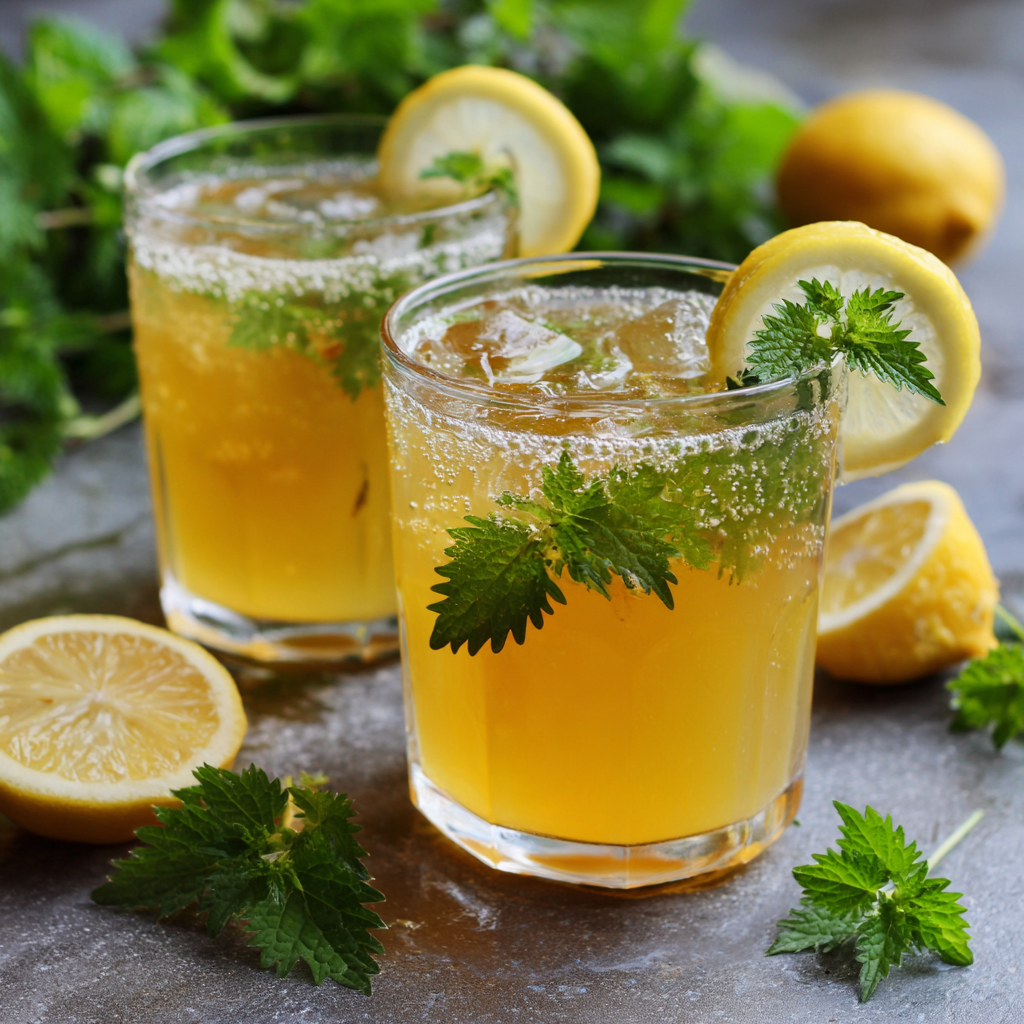
Sunshine in a Cup: Let’s Make Some Lemon Balm Magic
Hey there, friend! Jackson here from Food Meld. Let’s talk about those moments when you need a reset button. You know the ones—after a hectic day, in the middle of a sweltering afternoon, or when you just want to wrap your hands around something warm and comforting that isn’t coffee. I’m a big fan of those little kitchen pauses, and that’s exactly why I’m so obsessed with this incredibly simple, wildly refreshing Lemon Balm Tea.
This isn’t just another herbal tea. This is a garden-to-glass hug. It’s bright, it’s citrusy without being sour, and it has this gentle, almost minty calmness that just settles you right down. The best part? You’re probably three steps away from making it right now. If you’ve got a lemon balm plant threatening to take over your herb garden (they’re enthusiastic like that), or you spotted a lush bunch at the farmer’s market, this is your destiny. We’re going to turn those leaves into the most delicious, caffeine-free sipper that works just as well over ice as it does steaming from your favorite mug.
I promise you, no fancy equipment or chef-level skills are required. This is about honoring a fantastic herb and creating a moment of pure, flavorful zen. So, grab your biggest handful of lemon balm, and let’s cook—or rather, steep—something awesome together.
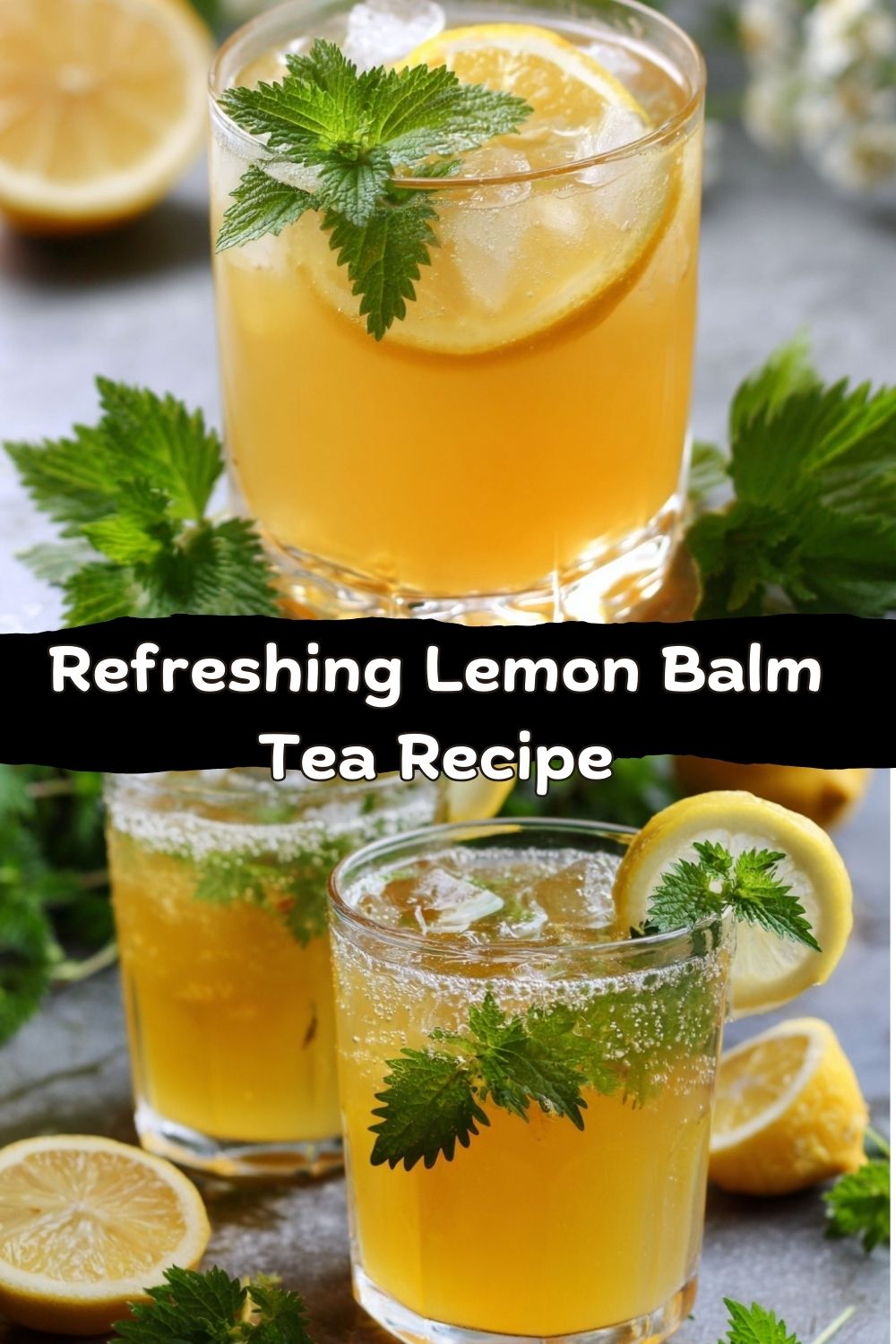
The Herb That Started It All
My love affair with lemon balm started not in a fancy kitchen, but at my grandma’s back porch. She called it her “happy herb,” and it grew in a wild, sprawling patch by the steps, smelling like lemon candies and summer rain. As a kid, I’d brush my hands through it just to catch the scent on my fingers.
One particularly grumpy afternoon—I think I’d struck out in a backyard baseball game—she didn’t say a word. She just went to her patch, picked a giant fistful of leaves, put them in a jar, and poured hot water over them. She let it sit until it turned a pale gold, then stirred in a spoonful of honey from a neighbor’s hive. “Drink this,” she said. “It fixes the sour moods.” I took a sip. It was warm, sweet, and incredibly soothing. The grumpiness didn’t vanish, but it sure did shrink. That memory, of a simple act of care using something from the earth, is at the heart of Food Meld. It’s why I believe the best food (and drink!) doesn’t have to be complicated—it just has to be made with a little intention.
Gathering Your Flavor Meld
Here’s the beautiful shortlist of what you’ll need. This recipe is a fantastic template for playing around, so I’ve tossed in my chef-y insights and swap ideas for each one.
- 1 cup (packed) fresh lemon balm leaves – This is your star! The “cup” is a guide—more leaves mean a more robust flavor. Look for vibrant, green leaves. Chef’s Insight: Rubbing a leaf between your fingers is the best smell test. It should release a strong, sweet lemon fragrance. If you only have dried, use about ¼ cup. The flavor will be slightly more muted but still lovely.
- 4 cups filtered water – Good water makes good tea. If your tap water has a strong taste, filtered is the way to go for the cleanest flavor.
- 2 tbsp raw honey or agave syrup – Honey is my go-to; its floral notes marry perfectly with lemon balm. Pro Swap: Use maple syrup for a vegan, earthy-sweet twist, or adjust the amount to your taste. Start with 1 tbsp and add more after steeping!
- Juice of 1 lemon (about 2 tbsp) – This is our flavor brightener. It sharpens the lemon balm’s natural citrus and balances the sweetness. Chef’s Hack: Roll the lemon firmly on the counter before juicing—you’ll get way more juice out of it!
- Ice cubes (for serving) – Essential for the iced version!
- Optional garnish: lemon slices, fresh mint sprigs – This isn’t just for looks. A fresh mint leaf floating on top adds a fantastic aroma with each sip.
Steeping Your Way to Serenity (It’s So Easy!)
Ready? This is less of a recipe and more of a relaxing ritual. Follow these steps, and you’ll be sipping perfection in no time.
- Heat the Water with Care. Bring your 4 cups of water to a gentle simmer in a pot or kettle. Here’s the key: do not let it boil furiously. We want it just hot enough to release the essential oils from the lemon balm (around 190-200°F), not so hot that it cooks them and turns the flavor bitter. Watch for small bubbles at the bottom and sides of the pot, then turn off the heat and let it sit for 30 seconds. Perfect.
- Steep Like You Mean It. Place your fresh lemon balm leaves (stems are okay, they have flavor too!) directly into the hot water. If you’re using a pot, just turn off the heat. If using a kettle, pour the water into a heatproof pitcher or teapot over the leaves. COVER IT. This is non-negotiable! Covering the pot traps all those beautiful volatile aromatics and steam, forcing the flavor back into the water. Let it sit, covered, for 8-10 minutes. For a lighter tea, go for 8. For a deeper, more medicinal (in a good way!) flavor, lean toward 10.
- Strain & Sweeten. Set a fine-mesh strainer over your serving pitcher and pour the tea through it, catching all the spent leaves. Now, while the tea is still warm, stir in your sweetener. Honey dissolves beautifully in warm liquid, creating a seamless blend. Give it a good stir until it’s fully incorporated.
- The Brightening Step. Now, stir in your fresh lemon juice. Adding it after straining and sweetening ensures its bright, sharp flavor isn’t dulled by the long steep. This is where the tea goes from “herbal” to “refreshing.” Taste it! This is your chance to adjust. Want it more tart? Add a squeeze more lemon. Sweeter? A touch more honey.
- Chill Out (Or Don’t!). For iced tea, pop the pitcher into the fridge for at least 30 minutes to cool it down quickly. For a stronger flavor, let it chill for a few hours—the flavor continues to develop as it cools. If you’re serving it hot, you can skip this step and pour it into mugs right away.
- Serve with Style. Fill glasses to the brim with ice cubes. Pour the chilled tea over the top, listen to that satisfying crackle. Garnish with a thin lemon wheel and a sprig of fresh mint. For the hot version, pour into your favorite mug and maybe add a cinnamon stick stirrer for extra cozy points.
How to Serve This Sunshine Sip
Presentation is part of the fun! For the full iced tea experience, I love using tall, clear glasses or mason jars. You see that beautiful pale green-gold color, the lemon slice, the bubbles clinging to the ice—it’s part of the joy. For a hot cup, a big, sturdy ceramic mug feels right. It’s perfect for a quiet morning on the patio or winding down after dinner.
Think of this tea as your culinary accessory. It’s fantastic alongside a spicy brunch (it cools the palate!), as a non-alcoholic option at a barbecue, or as the star of your afternoon break with a couple of shortbread cookies. It’s versatile, friendly, and always welcome.
Make It Your Own: Flavor Meld Twists
The basic recipe is a masterpiece, but my “what if we tried this?” energy can’t resist suggesting a few twists.
- The “Spa Day” Blend: Add a 1-inch knob of fresh ginger (sliced) and 2-3 sprigs of fresh mint to the lemon balm during the steep. Strain as usual. Incredibly revitalizing!
- Berry-Infused Bliss: After straining the hot tea, add a handful of crushed fresh raspberries or blackberries to the pitcher. Let it cool with the berries in it, then strain again before serving for a gorgeous pink hue and a subtle fruity kick.
- Cozy & Spiced (Hot Version): Add 2-3 whole cloves and a cinnamon stick to the pot with the lemon balm. Steep as directed. Sweeten with maple syrup for a fall-inspired, warming treat.
- Herbal Iced Tea “Soda”: For a fun, fizzy treat, let the sweetened tea concentrate cool completely. Fill a glass halfway with the concentrate, then top it off with plain sparkling water or club soda. Instant homemade herbal soda!
- The “Everything But the Kitchen Sink” Herb Garden Tea: Have some extra herbs? Throw in a few sprigs of thyme, a basil leaf, or some lemon verbena with your lemon balm. It’s a great way to use up garden bits and create a unique blend.
Jackson’s Kitchen Notes
This recipe has been my go-to for years, and it’s evolved in the silliest ways. Once, I accidentally used sparkling water instead of still to make the hot tea. Let’s just say it created a volcanic herb explosion on my stovetop—not recommended, but a great story! Lesson learned: fizz and heat are frenemies.
I also learned that lemon balm is a generous soul. If your plant is looking leggy, give it a good haircut and make a big batch of this tea. You can even freeze it in ice cube trays to pop into future glasses of water or iced tea. Over time, I’ve gotten less precious about measurements. A big handful, a good glug of honey, a generous lemon squeeze—it always works out. Trust your taste buds more than the measuring cup.
Your Questions, Answered
Q: My tea turned out bitter! What did I do wrong?
A: The most likely culprit is water that was too hot (a rolling boil) or steeping for too long (over 12 minutes). Next time, aim for that gentle simmer and set a timer for 8 minutes. Also, make sure you’re using just the leaves and tender stems, not any thick, woody stalks.
Q: Can I make a big batch and store it?
A> Absolutely! This tea stores beautifully. Keep it in a sealed pitcher or jar in the fridge for up to 4 days. The flavor might even improve after a day. I don’t recommend freezing the large batch, but those herb ice cubes are a great alternative.
Q: I can’t find fresh lemon balm. What are my best options?
A> Dried lemon balm from a reputable tea shop is your next best bet. Use ¼ cup. You can also look for lemon verbena or even use a strong lemon zest (from 2 organic lemons) in a pinch, though the flavor profile will be different—still delicious, just more straightforwardly citrusy.
Q: Is this tea really calming?
A> Many people, including yours truly, find lemon balm to have a gently relaxing effect. It’s been used for centuries for just that! While I’m a chef, not a doctor, I can say that the ritual of making it, the warm mug in your hands, and the lovely flavor certainly create a moment of calm in a busy day.
Simple & Good-For-You Sipping
Let’s keep it real: this is a wholesome, natural drink. A serving (assuming you use about 1 teaspoon of honey per cup) comes in at around 35 calories, almost all from the natural sweetener. It’s packed with the antioxidants and volatile oils from the lemon balm leaves themselves. It’s naturally caffeine-free, gluten-free, and can easily be made vegan by using agave or maple syrup.
Most importantly, it’s a fantastic alternative to sugary sodas or artificially flavored drinks. You control the sweetness, you know every ingredient that went into it, and you get the satisfaction of making something wonderful from a simple plant. That’s a nutritional win in my book.
Your New Favorite Ritual
And that’s it! See? I told you it was easy. You’ve now got the keys to making a drink that’s equal parts refreshing and soothing, a drink that can change with your mood and the season. Whether you sip it while watching the sunset or share a pitcher with friends on a hot day, this Lemon Balm Tea is more than a recipe—it’s a little moment of “you’ve gotta try this” magic, made by you.
I hope this becomes a staple in your kitchen like it is in mine. If you give it a try, tag me over @FoodMeld—I love seeing your creations and your own twists on the recipe. Now, go enjoy every sip. You’ve earned it.
Keep cooking (and steeping!) with heart,
Jackson