Bibimbap Bliss: Your Passport to Korean Comfort in a Bowl
Hey there, flavor adventurers! Jackson here from Food Meld. Let me guess – you’re staring at your fridge, thinking, “How do I turn these everyday veggies into something extraordinary?” Cue the Bibimbap (say it with me: bee-beem-bap), Korea’s glittering jewel of a rice bowl that’s about to become your new weeknight superhero. Imagine this: steaming rice cradling juicy marinated beef, a confetti of sautéed veggies, a gochujang sauce that sings with spicy-sweet depth, all crowned by that perfect fried egg. When you break that yolk and mix everything together? Magic. Pure, unapologetic, “why-didn’t-I-make-this-sooner?” magic. It’s vibrant, balanced, and packs more flavor per square inch than my grandma’s cast iron skillet. Best part? We’re keeping it real and ridiculously doable. No fancy techniques, just big, bold taste. Ready to ditch the dinner rut and cook something that’ll make your taste buds high-five? Let’s dive in!
The Bibimbap Epiphany: A Seoul-Food Awakening
My first Bibimbap experience wasn’t in some fancy Seoul eatery – it was in a tiny, steam-fogged joint tucked behind a Nashville laundromat. I was 22, broke, and surviving on biscuits. One rainy Tuesday, my Korean buddy Ji-hoon dragged me in, promising “real food.” What landed on our table looked like a painter’s palette: emerald spinach, sunshine carrots, ruby beef, earthy mushrooms, that fiery red sauce, all orbiting a golden egg yolk like edible planets. Ji-hoon grinned, dumped his sauce in, and attacked it with his spoon like a mad scientist. “Just MIX it, Jackson!” he yelled over the K-pop blasting. I followed suit, skeptically swirling everything together. That first bite? Fireworks. The warm rice melded with the crunchy veggies, the savory beef, the creamy yolk, and that addictive spicy-sweet sauce. It was comfort food, but electrified – a global hug in a bowl. Right then, I knew: THIS was the “meld” I wanted to share. It wasn’t just dinner; it was pure, unbridled joy on a spoon. And honestly? That chaotic mixing frenzy? Still my favorite part.
Your Bibimbap Toolkit: Building Blocks of Flavor
Don’t sweat the veggie list! Bibimbap is famously flexible. Think of this as your colorful foundation – feel free to riff!
Beef Marinade (The Flavor Bomb):
- 8 oz beef tenderloin, finely sliced: Tenderloin is buttery and quick-cooking. Chef’s Hack: Freeze for 20 mins for easier slicing! Sub: Ribeye or sirloin work great too.
- ¼ green apple, grated: My secret weapon! The enzymes tenderize, while adding subtle sweetness & tang. Sub: Asian pear (traditional) or a splash of apple juice in a pinch.
- 3 garlic cloves, minced: Non-negotiable aroma base. Use fresh!
- 1 tbsp soy sauce: Savory depth. Use regular or low-sodium.
- 1 tbsp brown sugar: Balances the salty/umami. Sub: Honey or maple syrup.
- 2 tsp sesame oil: Toasted sesame oil ONLY for that nutty fragrance. Don’t skip!
Veggies (The Color Brigade):
- 1 carrot, matchsticks: Adds crunch & sweetness. Chef’s Tip: Use a julienne peeler for speed!
- 1 zucchini, matchsticks: Mild and pretty. Sub: Cucumber (add raw at the end).
- 1 bunch spinach: Wilted greens are classic. Sub: Baby kale or Swiss chard.
- 8 dried shiitake mushrooms: Soaked, they deliver intense umami punch. Sub: Fresh shiitake or cremini mushrooms (skip soaking).
- 2 cups bean sprouts: Crunchy freshness! Sub: Alfalfa sprouts or thinly sliced cabbage.
- Sesame oil & salt (for sautéing): Keep it simple, let the veggie flavors shine!
Bibimbap Sauce (The Star Player):
- 3 tbsp gochujang paste: The soul of Bibimbap! Fermented chili goodness. Find it in Asian aisles. Sub: Mix 2 tbsp sriracha + 1 tbsp miso paste + 1 tsp sugar (less authentic but works!).
- 3 tbsp rice vinegar: Bright acidity. Sub: Apple cider vinegar.
- 1 tsp soy sauce: Deepens the savory notes.
- 3 tsp white sugar: Balances the heat. Adjust to your taste!
- 1 garlic clove, finely grated: Raw punch that mellows when mixed.
- 1 tsp sesame oil: Brings it all together. Again, toasted is key!
To Serve (The Grand Finale):
- Steamed white rice: Short or medium grain is best (stickier). Day-old rice fries up amazingly if using a hot stone bowl (Dolsot Bibimbap!).
- Fried egg (1 per bowl): Sunny-side up or over-easy – that runny yolk is the sauce mixer! Chef’s Non-Negotiable: Use room-temp eggs for perfect edges.
- Sesame seeds: For toasty garnish. White or black (or both!) look gorgeous.
Building Your Flavor Masterpiece: Let’s Get Cooking!
Don’t let the components fool you – this is assembly line cooking! Work smart, not hard.
- Marinate the Beef (20+ mins): Toss the sliced beef with grated apple, garlic, soy sauce, brown sugar, and sesame oil in a bowl. Massage it gently – get friendly with it! Cover and let it hang out in the fridge. Chef’s Hack: Doing this first means flavor magic happens while you prep everything else! Minimum 20 mins, but even 10 helps. Overnight? Winner!
- Wake Up the Mushrooms: Plop the dried shiitakes into a bowl of warm water. Let them soak and soften for 15-20 minutes. Once plump, squeeze out excess water (save it for soup stock!), remove stems, and slice thinly. Pro Tip: That soaking liquid is GOLD. Freeze it for future umami boosts in stews or sauces!
- Veggie Prep Party:
- Spinach & Bean Sprouts: Blanch them separately! Bring a pot of salted water to boil. Dunk spinach for 30 seconds until wilted, then plunge into ice water. Drain and squeeze VERY dry. Repeat with bean sprouts for 1 minute. Why? Keeps them vibrant green and crisp-tender! Sauté both quickly in a tiny bit of sesame oil and a pinch of salt. Set aside.
- Carrot & Zucchini: Heat a drizzle of sesame oil in your skillet or wok over medium-high. Stir-fry carrots for 1-2 mins until slightly softened but still crunchy. Remove. Repeat with zucchini – just 1 minute! We want color and bite. Chef’s Rule: Don’t crowd the pan! Sauté veggies separately for perfect texture.
- Mushrooms: Same pan, another tiny drizzle of sesame oil. Sauté the sliced shiitakes for 2-3 minutes until fragrant and slightly browned. Season with a pinch of salt. Set aside with the veggie squad.
- Beef Time – Fire It Up! Wipe out your skillet or wok. Get it screaming hot over high heat. Add a touch of neutral oil (like canola). Add the marinated beef (scrape in all that goodness!) and spread it out. Let it sear undisturbed for 1 minute to caramelize. THEN stir-fry for another 1-2 minutes max until just cooked through and beautifully browned. Don’t overcook – it’ll keep cooking slightly when mixed! Remove immediately.
- Whip Up That Magic Sauce: While the beef rests, mix the gochujang, rice vinegar, soy sauce, sugar, grated garlic, and sesame oil in a small bowl. Taste! Want more heat? Add a pinch of gochugaru (Korean chili flakes). Sweeter? More sugar. This is YOUR sauce. Chef’s Secret: Let it sit 5 mins for flavors to marry beautifully.
- Egg-cellent Execution: Fry those eggs! Heat a non-stick skillet with a little oil or butter over medium heat. Crack in room-temp eggs. Cook sunny-side up until whites are set but yolks are gloriously runny, or flip carefully for over-easy. Pro Tip: Cover the pan for the last 30 seconds to set the whites without overcooking yolks.
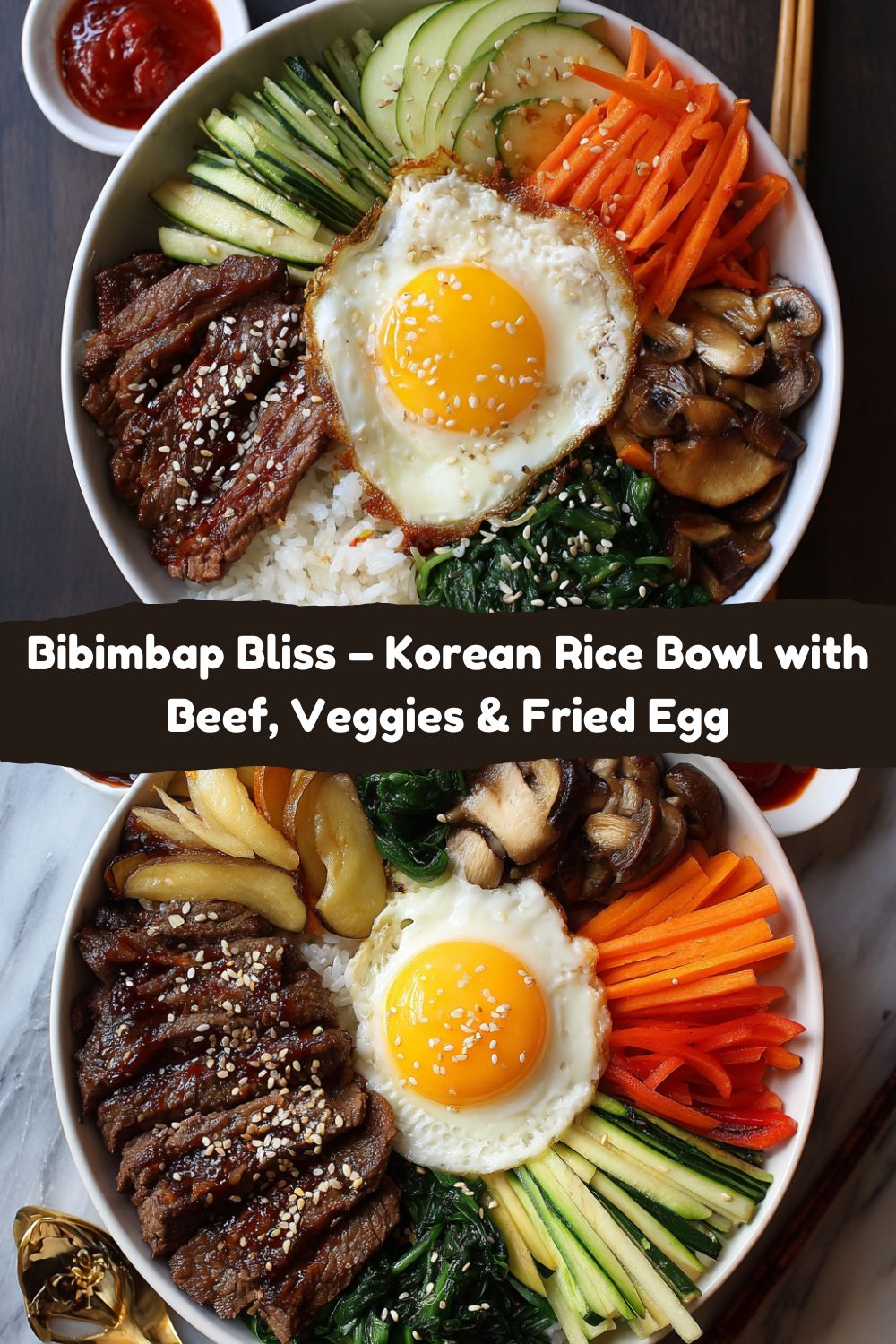
- The Grand Assembly (Your Canvas Awaits!): Divide hot steamed rice between deep bowls. Neatly arrange your vibrant veggies and beef in little piles around the edge of the rice. Think color wheel! Place that perfect fried egg right in the center – the jewel in the crown. Generously drizzle with the gochujang sauce. Finish with a sprinkle of sesame seeds. Presentation Pro-Tip: Use kitchen tweezers for super tidy veggie placement if you’re feeling fancy!
Serving Up the Good Stuff: More Than Just a Bowl
Here’s where the fun REALLY begins! Bring the bowls to the table piping hot. The ritual is everything. Hand everyone a spoon and chopsticks (or just a big spoon!). Instruct them to dive right into the center, breaking that golden yolk first, then mix everything together with wild abandon. The goal? Get every grain of rice coated in that luscious yolk and spicy sauce, mingling with the beef and veggies. Hear the sizzle? That’s the sound of happiness. Serve with extra sauce on the side for the brave souls. Pair it with simple Korean sides like Kimchi or pickled radish (Mu) if you have them, but honestly, this bowl stands gloriously tall all on its own.
Make It Your Own: Bibimbap Remix!
Bibimbap is the ultimate kitchen sink recipe. Play with it!
- Vegetarian Fiesta: Ditch the beef! Double down on mushrooms (add king oyster!), swap in crispy tofu cubes (marinated in the beef sauce, minus the apple), or add lentils. Use a splash of soy sauce or vegan gochujang in the sauce.
- Pescatarian Power: Flake in some pan-seared salmon or tuna, or use sautéed shrimp marinated quickly in the sauce base.
- Leftover Love: Got leftover chicken, pork, or roasted veggies? Chop ’em up and toss ’em in! Bibimbap doesn’t judge.
- Seasonal Swaps: Swap zucchini for asparagus in spring, add roasted sweet potato in fall, or use blanched kale instead of spinach in winter.
- Spice Level: Control the heat! Add gochugaru flakes to the sauce or veggies for extra kick, or tame it with a dollop of Greek yogurt mixed into the sauce.
- Dolsot (Hot Stone Bowl) Dream: Have a Korean stone bowl? Heat it empty in a 450°F oven for 30 mins. Carefully add a little sesame oil and rice, pressing it down. Add toppings and return to oven for 5-10 mins until sizzling. The rice gets incredibly crispy!
Jackson’s Kitchen Chronicles: Bibimbap Bits & Bobs
Let me tell y’all something—bibimbap wasn’t always this polished gem in my kitchen. Nope. My first try looked more like “fridge cleanout surprise” than Korean masterpiece. I had overcooked beef, soggy spinach, and a sauce that could’ve doubled as rocket fuel. But hey—that’s the beauty of bibimbap. It forgives. It evolves. It welcomes your “oops” moments with open arms and a spoon.
One time, I ran out of Asian pear for the marinade and tossed in a grated Granny Smith apple. Magic. That sweet-tart zip? It actually tenderized the beef better than I expected. Now it’s my go-to. Another time, I tried to get all dolsot-fancy with a cast iron skillet and forgot to oil the bottom—rice welded itself to the pan like it signed a lease. Lesson learned: oil generously, and use medium heat if you’re going for that crispy rice crust (it’s SO worth it).
Oh—and don’t even get me started on the egg saga. I once cracked a cold egg straight from the fridge into a hot pan. Sizzle… then pop! Yolk explosion. Kitchen chaos. Lesson? Room-temp eggs, always. They behave better, fry prettier, and won’t jump scare you while you’re plating like a pro.
Also—let’s normalize messy bibimbap bowls. Those perfectly styled spirals you see on social media? Gorgeous, yes. Realistic on a Tuesday at 7:13 PM? Not so much. Your veggies don’t need to be spaced with surgical precision. You don’t need tweezers. You just need love, good flavor, and that satisfying swirl when you break the yolk and dive in like a culinary tornado. That’s the real Food Meld magic.
So here’s the takeaway, friend: bibimbap isn’t about getting everything perfect. It’s about bold flavors, textures that play nice, and a little moment of joy you made with your own two hands (and maybe a splash of gochujang on your shirt). Embrace the meld. Mix it messy. Eat it hot. Repeat often.
🥢 Your Questions, Answered (Before You Even Ask!)
Q: Do I have to use beef?
A: Not at all! Bibimbap is a chameleon. You can sub with tofu, salmon, shrimp, shredded chicken, or even leftovers from last night’s dinner. The marinade is flexible and forgiving—just adjust cook times based on your protein.
Q: Can I make this vegetarian or vegan?
A: Absolutely! Skip the beef and egg. Go for crispy tofu or extra mushrooms. Use a vegan-friendly gochujang and maybe throw in a splash of soy sauce and maple syrup for added richness.
Q: What kind of rice works best?
A: Short or medium-grain white rice is classic—sticky enough to hold everything together. But brown rice, jasmine, or even quinoa work too. Leftover rice? Even better for dolsot-style crispiness!
Q: Is gochujang spicy?
A: It has a kick, but it’s more complex than just heat—it’s spicy, sweet, salty, and fermented. If you’re sensitive to heat, start with 1 tablespoon in the sauce and add more to taste.
Q: How do I store leftovers?
A: Keep the rice, toppings, and sauce in separate containers in the fridge for up to 3 days. Reheat the rice and protein, toss on your veggies, and top with a fresh egg for round two!
Q: Can I prep this ahead of time?
A: Totally! Cook all the components in advance, store them separately, and assemble bowls when you’re ready. It’s a great make-ahead meal for busy weeks or fun build-your-own bowl nights.
Q: What if I don’t have gochujang?
A: You can DIY a quick version with 2 tbsp sriracha, 1 tbsp miso paste (or soy sauce), 1 tsp sugar, and a touch of sesame oil. It won’t be the same, but it’ll still taste amazing.
🥢 Bibimbap Nutrition Info (Per Serving)
Includes: 1 cup cooked white rice, 2 oz marinated beef, sautéed mixed veggies, 1 fried egg, 2 tbsp gochujang sauce
-
Calories: ~480 kcal
-
Protein: 24g
-
Carbohydrates: 45g
-
Sugar: 9g
-
Fiber: 5g
-
-
Fat: 22g
-
Saturated Fat: 5g
-
-
Cholesterol: 190mg
-
Sodium: ~750mg
-
Vitamin A: 110% DV
-
Vitamin C: 35% DV
-
Calcium: 6% DV
-
Iron: 20% DV
-
Potassium: ~620mg
⚡ Notes & Customizations:
-
Lower the carbs by swapping white rice for cauliflower rice or half brown rice/half veggies.
-
Boost the protein with extra beef or a second egg.
-
Make it lighter by using lean ground turkey or tofu instead of beef.
-
Watch sodium by using low-sodium soy sauce and a lighter hand on gochujang

Korean Mixed Rice and Veggies Bowl
- Total Time: 45–50 mins
- Yield: 2-3 1x
Description
Bibimbap is Korea’s iconic comfort bowl—colorful, balanced, and bursting with flavor. Tender marinated beef, sautéed vegetables, spicy-sweet gochujang sauce, and a perfectly cooked egg all come together over warm white rice. It’s as beautiful to look at as it is to devour—your chopsticks won’t know where to start!
Ingredients
Beef Marinade
8 oz beef tenderloin, finely sliced
¼ green apple, grated
3 garlic cloves, minced
1 tbsp soy sauce
1 tbsp brown sugar
2 tsp sesame oil
Vegetables
1 carrot, cut into matchsticks
1 zucchini, cut into matchsticks
1 bunch of spinach
8 dried shiitake mushrooms
2 cups bean sprouts
Bibimbap Sauce
3 tbsp gochujang paste
3 tbsp rice vinegar
1 tsp soy sauce
3 tsp white sugar
1 garlic clove, finely grated
1 tsp sesame oil
To Serve
Steamed white rice
Fried egg
Sesame seeds
Instructions
Marinate the beef: Combine all beef marinade ingredients and let sit for at least 20 minutes.
Prepare veggies: Soak mushrooms in warm water, slice when soft. Blanch spinach and bean sprouts separately, then sauté all veggies lightly with sesame oil and a pinch of salt.
Cook beef: Stir-fry marinated beef until browned and caramelized.
Mix the sauce: Combine all sauce ingredients and set aside.
Assemble bowls: Start with a bed of white rice, neatly arrange beef and vegetables on top. Add a fried egg in the center.
Top it off: Drizzle with bibimbap sauce and sprinkle sesame seeds.
- Prep Time: 30 minutes
- Cook Time: 15–20 mins
Nutrition
- Calories: 480/serving
- Sugar: 9g/serving
- Fat: 22g/serving
- Carbohydrates: 45g/serving
- Fiber: 5g/serving
- Protein: 24g/serving
🌟 Final Thoughts: The Bowl That Brings It All Together
Bibimbap isn’t just a dish—it’s a celebration in a bowl. It’s color, texture, heat, and comfort, all swirling together into something way bigger than the sum of its parts. And the best part? You don’t need to be a seasoned Korean chef or have a stocked specialty pantry to make it happen. With a few fresh ingredients, a little skillet magic, and a sense of adventure, you’re right there—spoon in hand, breaking that egg yolk, and creating a flavor story all your own.
For me, bibimbap will always remind me of that little steam-filled joint behind a Nashville laundromat—proof that comfort food can surprise you, shake you, and stay with you long after the last bite. I hope this recipe brings you the same joy, that same fiery spoonful of wow.
Now grab that bowl, stir like you mean it, and let the flavor meld do its thing.
Until next time,
– Jackson, bowl whisperer and unapologetic egg-yolk breaker at Food Meld 🍳🔥