Your Takeout Game is About to Change Forever
Hey friends, Jackson from Food Meld here. Let me paint you a picture: It’s Tuesday night. You’re tired, you’re hungry, and the siren song of the takeout menu is calling your name. You dream of those glossy, savory noodles, the kind that slide right out of the container and into a state of pure comfort. But then the reality hits—the delivery fee, the wait, the fact that your order never *quite* tastes the same twice.
What if I told you the secret to that incredible, restaurant-quality flavor isn’t a secret at all? What if you could create a sauce so bold, so balanced, and so downright delicious that it makes those takeout noodles look… well, amateur? Friends, that sauce exists, and it’s living in your pantry right now, just waiting for you to mix it up.
This is my go-to, no-fail, better-than-takeout Homemade Lo Mein Sauce. We’re talking about a magical elixir that brings together salty, sweet, and umami in one beautiful, whisk-together-in-a-bowl moment. It’s the kind of kitchen alchemy I live for—simple ingredients, a little “what if we tried this?” energy, and a payoff that’s absolutely unforgettable. This isn’t just a recipe; it’s your ticket to stir-fry freedom. So, grab a bowl and your favorite whisk. We’re about to cook something awesome together.
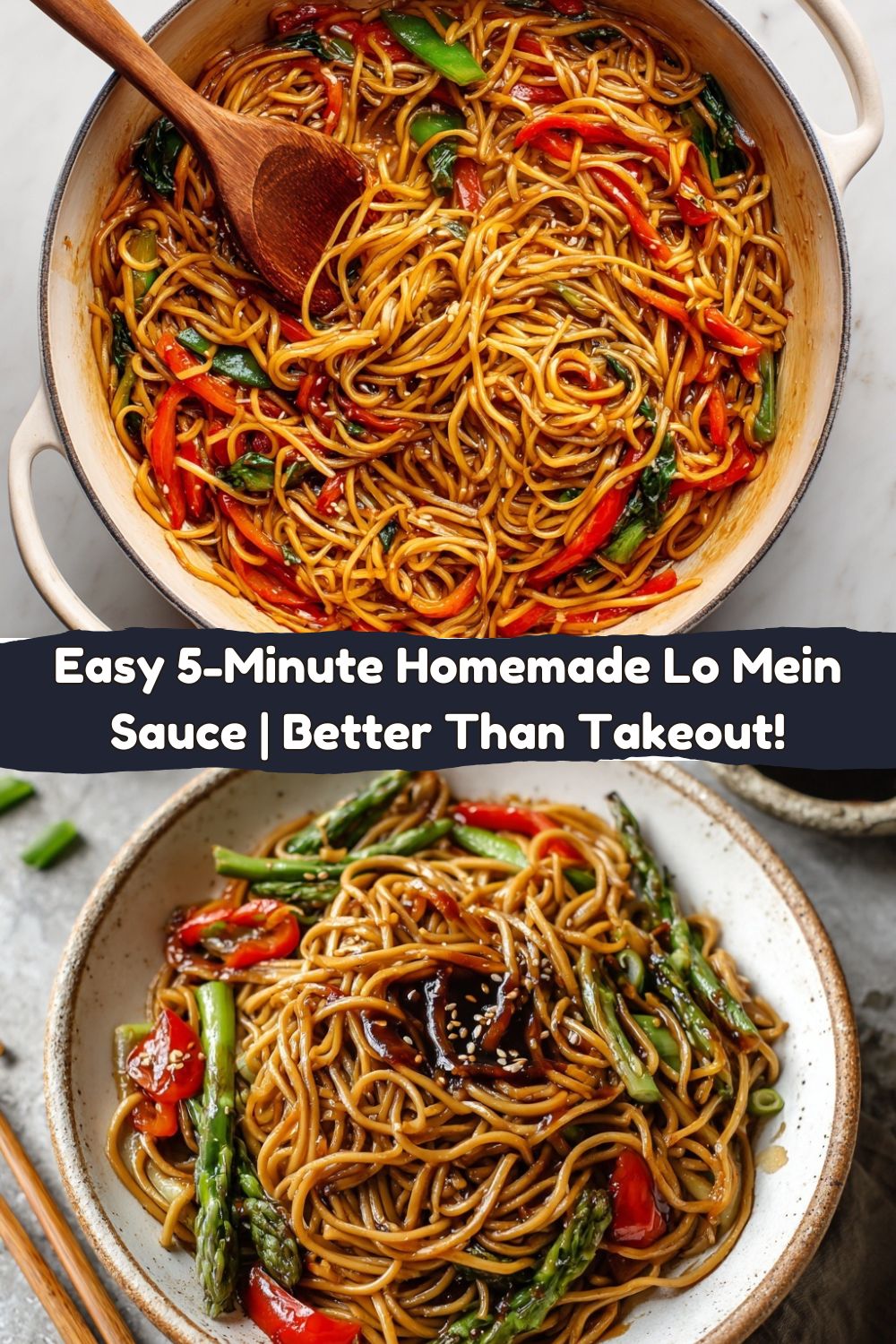
The Night I Realized the Sauce Was the Star
This recipe takes me back to my college days, crammed into a tiny apartment kitchen with my roommate, Ben. Our budget was… let’s call it “creative.” But our cravings were big. Our default was always this greasy, one-note lo mein from the place down the street. One night, during a serious noodle craving, we discovered we were flat broke until payday. Desperation, as it often does, became the mother of invention.
We had a lone pack of ramen (sans flavor packet), some sad-looking veggies, and a fridge door full of condiments. Ben, who was from a big Chinese-American family, started pointing. “Soy sauce, for sure. That oyster sauce my mom gave us! A little sugar? And what about this hoisin?” We started glugging and dashing into a mug, tasting as we went. The moment we tossed it with those hot noodles, something clicked. The kitchen filled with this insane aroma. It wasn’t just *good*; it was vibrant, complex, and *ours*. That was the night I truly understood that the soul of a dish isn’t in the noodle or the protein—it’s in the sauce you build with your own two hands.
Gathering Your Flavor All-Stars
This is where the magic starts. Don’t be intimidated by the list—these are powerhouse ingredients that will become your new best friends in the kitchen. Here’s the lineup and why each one is a total rockstar.
- 1/4 cup Soy Sauce: This is our salty, umami foundation. I use regular, but if you’re watching sodium, low-sodium works perfectly. Chef’s Insight: It’s the backbone of the sauce, so don’t skip it!
- 2 tablespoons Oyster Sauce: Don’t let the name scare you—it doesn’t taste fishy! It’s a thick, savory, slightly sweet sauce that adds incredible depth and that classic “restaurant” flavor. Sub Tip: For a vegetarian version, mushroom stir-fry sauce is a fantastic swap.
- 1 tablespoon Hoisin Sauce: This is our sweet and complex character. It’s like a fermented soybean barbecue sauce, adding a touch of sweetness, tang, and richness. Chef’s Insight: Hoisin is also amazing as a dipping sauce for spring rolls, so the bottle won’t go to waste!
- 1 tablespoon Sesame Oil: This is our aromatic finisher. That toasty, nutty fragrance is the signature scent of a great stir-fry. Pro Tip: Always use *toasted* sesame oil for maximum flavor impact. And add it at the end, as high heat can make it bitter.
- 1 tablespoon Rice Vinegar: Our secret weapon for balance! A splash of this bright, mild vinegar cuts through the richness and makes all the other flavors pop. Sub Tip: No rice vinegar? A tiny bit of lime juice or apple cider vinegar will work in a pinch.
- 1 tablespoon Brown Sugar (optional but recommended): This is our flavor harmonizer. A little sweetness rounds out the salty and tangy notes, creating a perfectly balanced sauce. Chef’s Insight: Feel free to use honey or maple syrup if that’s what you have!
- 1 teaspoon Garlic Powder OR 2 cloves Fresh Garlic, minced: The aromatic punch! I keep garlic powder in my pantry for ultimate convenience, but if you have the time, fresh minced garlic adds a vibrant, sharp kick. You can’t go wrong either way.
Let’s Make Some Magic: Your Foolproof Guide
Alright, team. This is the easiest part of your week. We’re going from zero to hero in about five minutes flat. I’ll walk you through every step with my favorite chef hacks along the way.
- The Whisk-Up. Grab a medium-sized bowl—I like one with a pour spout if you have it, but any bowl will do. Add all of your ingredients: the soy sauce, oyster sauce, hoisin, sesame oil, rice vinegar, brown sugar, and garlic. Now, take a whisk (or a fork in a pinch) and go to town. Whisk it until the sugar has completely dissolved and the sauce is smooth and beautifully combined. Chef’s Hack: Give it a quick taste on a spoon. This is your moment to adjust! Want it sweeter? A pinch more sugar. More tang? A dash more vinegar. You’re the boss of this sauce.
- The Noodle Prep (The Unsung Hero). While you’re whipping up your sauce, get your noodles cooking according to the package directions. I love using fresh ramen noodles or even lo mein egg noodles, but dried spaghetti or linguine works in a total pinch—this is a no-judgment zone! Pro Tip: When your noodles are done, drain them but DO NOT rinse them. That little bit of starchy coating left on the noodles helps the sauce cling to every single strand. It’s a game-changer.
- The Sizzle & Toss. Heat a tablespoon of a neutral oil (like avocado or canola) in a large wok or skillet over medium-high heat. If you’re adding protein or veggies, cook them first until they’re just about done. Now, add your cooked, drained noodles to the hot pan. Give them a quick toss to get a little warm. Chef’s Hack: Hear that sizzle? That’s the sound of flavor being made.
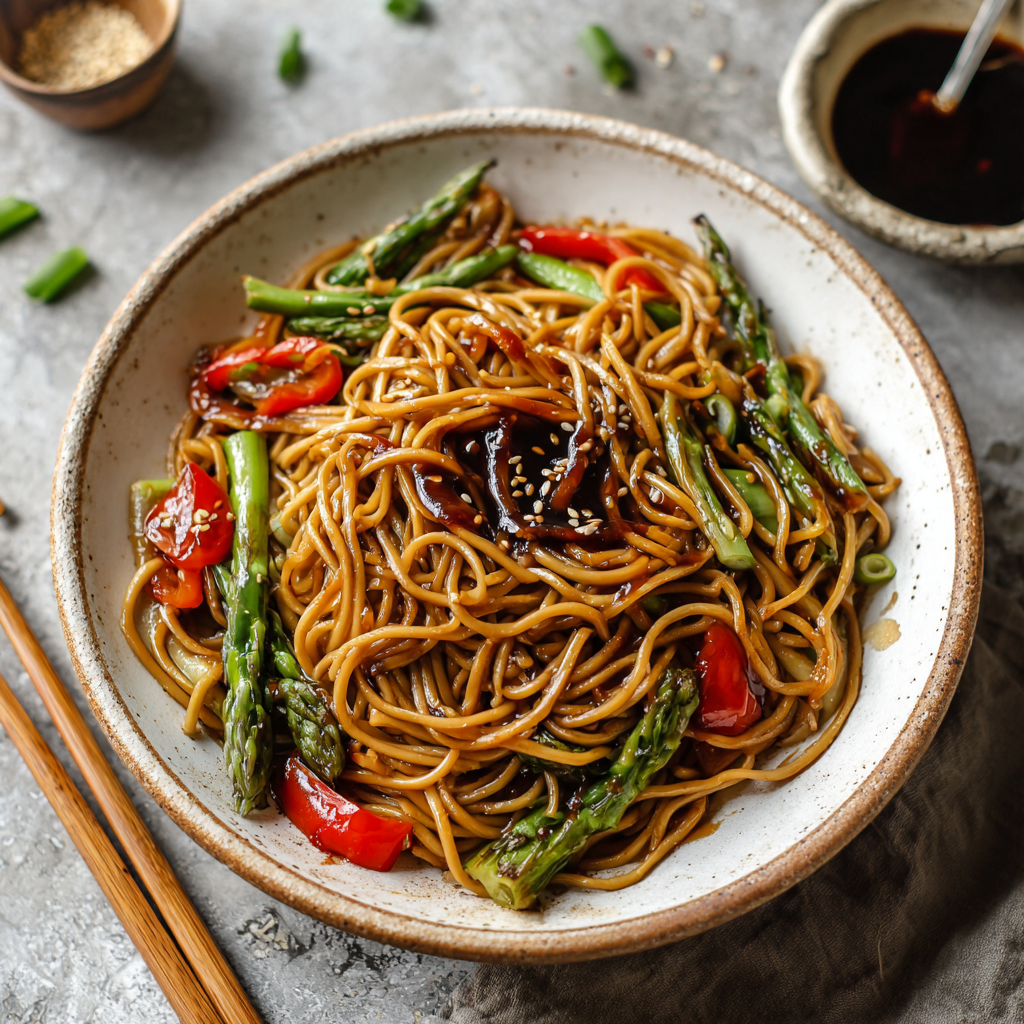
- The Grand Finale. Here’s where it all comes together. Pour your amazing homemade lo mein sauce right over the hot noodles and veggies. Using a pair of tongs or two wooden spoons, toss everything together constantly for 1-2 minutes. You’ll see the sauce thicken slightly and coat every inch of those noodles in a gorgeous, glossy sheen. Pro Tip: Don’t just stir—toss! This motion ensures even coverage and prevents any clumping.
- The Rest (The Hardest Part). Turn off the heat. Your lo mein is ready! Let it sit in the hot pan for just 30-60 seconds before serving. This allows the sauce to fully settle in and the flavors to meld together into one harmonious bite.
Plating Up Your Masterpiece
You’ve done it! You’ve created a stir-fry that’s about to blow your mind. Now, let’s make it look as good as it tastes. I’m a firm believer that we eat with our eyes first.
I love serving my lo mein family-style, piled high into a big, warm bowl. The steam rising with that incredible sesame and garlic aroma is part of the experience! For a little restaurant flair, use a pair of tongs to lift a portion, give it a little twist, and nestle it onto a plate or into a shallow bowl. Then, the fun part: the garnishes. A generous sprinkle of thinly sliced green onions adds a fresh, sharp crunch. A final drizzle of toasted sesame oil right at the end makes the flavor pop. And if you like a little heat, a scattering of red pepper flakes or a dash of chili crisp is absolutely killer.
This dish is a complete meal on its own, but it also plays well with others. Serve it alongside some simple steamed dumplings or a quick cucumber salad with a light rice vinegar dressing for the ultimate “you-made-this?!” dinner spread.
Make It Your Own: Endless Lo Mein Possibilities
The beauty of this sauce is that it’s a blank canvas for your cravings. Once you’ve mastered the base, it’s time to play. Here are a few of my favorite twists to get your creative juices flowing.
- Spicy Szechuan Kick: Add 1-2 teaspoons of chili garlic sauce or a tablespoon of Szechuan chili oil to the sauce mix. You’ll get that addictive, tingly heat that makes every bite an adventure.
- Ginger-Garlic Powerhouse: Add a tablespoon of freshly grated ginger along with the garlic. Ginger brings a warm, zesty punch that pairs incredibly well with the other flavors.
- Thai-Inspired Twist: Swap the oyster sauce for fish sauce and add a big tablespoon of creamy peanut butter to the mix. Thin it with a little coconut milk if needed, and garnish with crushed peanuts and cilantro. It’s a whole new world of flavor!
- Vegetarian Delight: As mentioned, use mushroom stir-fry sauce instead of oyster sauce. Then, load up your stir-fry with shiitake mushrooms, bok choy, bell peppers, snap peas, and carrots for a veggie-packed feast.
- Protein-Packed Power Bowl: This sauce is a perfect marinade and glaze for chicken, shrimp, or tofu. Marinate your protein in a few tablespoons of the sauce for 15 minutes before cooking, then use the rest to toss everything together at the end.
Jackson’s Kitchen Notes & Stories
This recipe has been a part of my life for so long, it’s practically family. I’ve made it in a dozen different kitchens, for countless friends, and it’s never let me down. It’s evolved from that college mug experiment to the polished version you see today, but the spirit of fun and experimentation remains.
One of my favorite kitchen fails-turned-wins happened with this sauce. I was filming a video for the blog and, in my haste, I grabbed the bottle of dark soy sauce instead of the regular. I didn’t realize it until I poured it in and the sauce turned almost black! I thought the batch was ruined. But you know what? It was one of the best, richest, most deeply colored lo meins I’d ever made. It just goes to show that sometimes the “mistakes” lead you to something even better. So don’t be afraid to play with the ratios. Make it your own!
Your Lo Mein Questions, Answered!
I get a lot of questions about this recipe, so I’ve gathered the most common ones here to help you out.
Q: My sauce turned out too salty. What can I do?
A: No worries, it happens! The easiest fix is to add a touch more sweetness (a bit more brown sugar or a drizzle of honey) and acidity (a squeeze of lime or a splash more vinegar) to balance it out. If you’re making a full noodle dish, you can also add more plain noodles or veggies to dilute the sauce a bit. For next time, try using low-sodium soy sauce.
Q: Can I make this sauce ahead of time and store it?
A: Absolutely! This is a fantastic meal-prep hack. Whisk it up and store it in an airtight jar in the fridge for up to two weeks. The flavors actually meld and get even better over time! Just give it a good shake before you use it.
Q: My sauce didn’t thicken up and coat the noodles. It’s kind of watery.
A> This usually happens for one of two reasons. First, you might have added too much sauce for the amount of noodles. A good rule of thumb is 1/4 to 1/3 cup of sauce for every 8 oz of dry noodles. Second, make sure you’re tossing the sauce with the noodles in a *hot* pan. That final minute of cooking over heat is crucial for the sauce to reduce slightly and cling to the noodles.
Q: Is there a gluten-free version of this sauce?
A> For sure! Just use tamari or a certified gluten-free soy sauce instead of regular soy sauce. Make sure your oyster sauce is gluten-free (or use the mushroom sauce substitute) and check that your hoisin sauce is also GF. Many brands now offer gluten-free options.
Nutritional Info (For Your Inner Food Scientist)
I’m all about flavor first, but I know many of you like to keep track of what you’re eating. Here’s a general breakdown. Remember, this is for the sauce itself, and the final nutrition of your dish will depend on the noodles, protein, and veggies you use.
Prep Time: 5 minutes
Cook Time: 0 minutes
Total Time: 5 minutes
Makes: ~1/2 cup sauce (about 8 tablespoons)
Per Tablespoon (approx.):
Calories: 25 | Sodium: 350mg | Carbohydrates: 4g | Fat: 1g | Sugar: 2g
Because this is a concentrated sauce, a little goes a long way! The sodium content is on the higher side, which is typical for savory, umami-packed condiments. You can easily manage this by using low-sodium soy sauce, controlling how much sauce you use per serving, and loading your stir-fry with plenty of fresh, low-sodium vegetables.
You’ve Got This!
And there you have it. You’re now armed with the ultimate secret weapon to banish boring weeknight dinners for good. This sauce is more than just a recipe—it’s a confidence-builder. It’s the proof that you don’t need a fancy degree or a pantry full of obscure ingredients to create something truly spectacular.
So the next time that takeout craving hits, I hope you remember this little jar of magic waiting to be made. Remember the feeling of whisking it together, the sound of it sizzling in the pan, and the incredible pride of serving a meal that you crafted with your own two hands. That’s what Food Meld is all about—mixing it up, making it yours, and enjoying every single bite.
I’d love to hear how your lo mein turns out! Tag me on social @FoodMeld with a photo of your creation. Now, go cook something awesome.
Stay hungry,
Jackson