When Your Soul Needs a Savory Hug
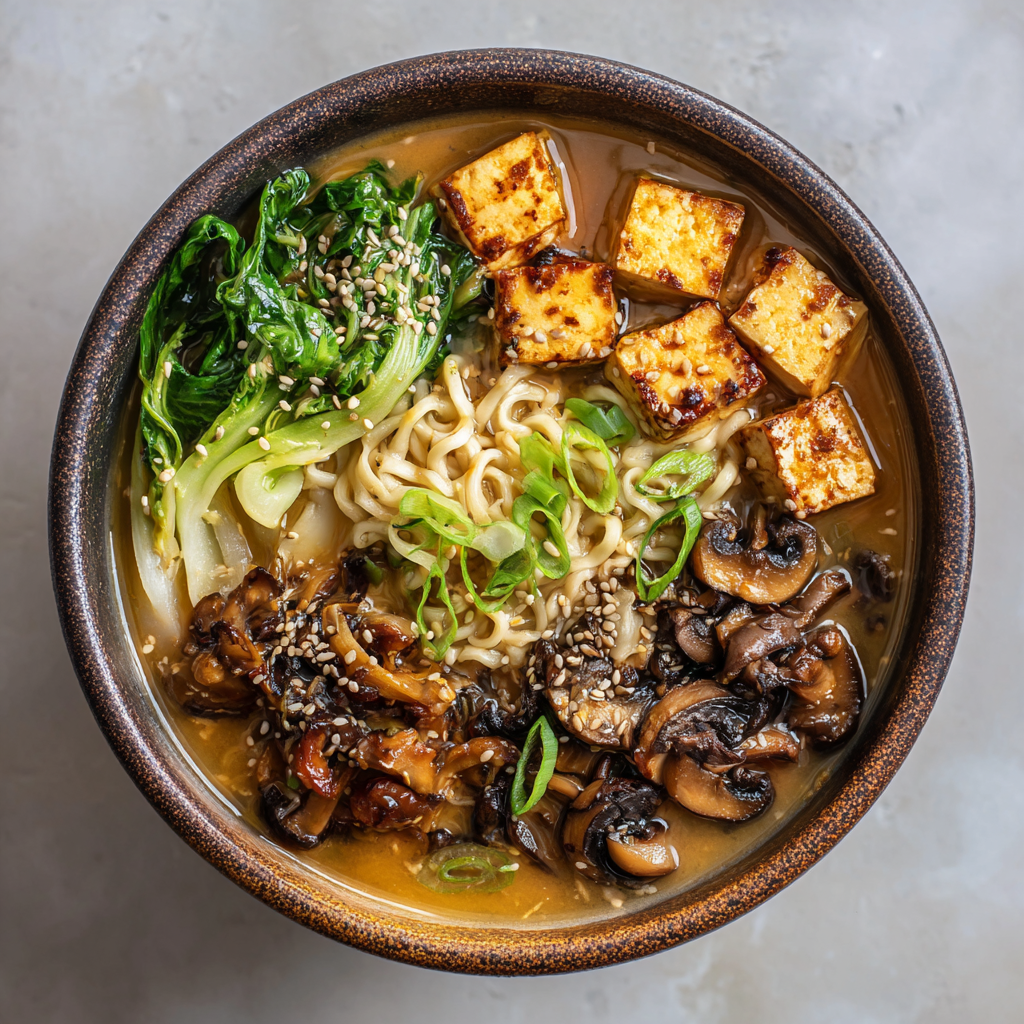
These Cozy Miso Ramen Bowls are my culinary equivalent of your favorite well-worn sweater. They’re a nourishing hug in a bowl—a rich, savory, umami-packed broth that forms the soul of the dish, cradling tender cubes of golden-brown tofu, meaty slices of earthy mushrooms, and a glorious tangle of slurp-worthy noodles. It’s the kind of meal that steam-fogs up your glasses and makes you sigh with contentment on the first spoonful.
Best part? We’re not talking about a weekend project. This is quick, straightforward kitchen magic, entirely achievable on a standard weeknight. I’ve built this recipe to be your reliable go-to, the one you’ll crave again and again. It’s simple, real, and packed with the kind of flavor that makes people (or just your very happy self) ask, “How did you make this?” So, tie on that apron, and let’s turn your kitchen into the coziest spot in the house. Let’s cook something awesome together.
The Ramen That Changed My Mind
I wasn’t always a miso convert. I’ll be honest—my first encounter with it was… suspicious. A little too funky, a little too mysterious. That changed on a bitingly cold afternoon in a tiny, steamy noodle shop tucked away on a side street. I was traveling, tired, and desperately in need of warmth. I pointed at random on the menu, and what arrived was a humble, unassuming bowl of miso ramen.
One sip of that broth was a revelation. It wasn’t just salty; it was deep, complex, round, and profoundly comforting. It tasted like wisdom. The tofu soaked up that glorious liquid, the mushrooms added their forest-floor savoriness, and the noodles were the perfect vehicle for it all. It was a masterpiece of simplicity. I left that shop a changed man, determined to crack the code and bring that feeling of discovery and comfort into my own kitchen—and now, into yours. This recipe is my heartfelt homage to that little bowl of magic.
Gathering Your Flavor Arsenal
Here’s everything you’ll need to build your bowl of bliss. Don’t stress about perfection—cooking is about playing, so I’ve included my favorite swaps and insights for each ingredient.
For the Broth (The Heart of the Matter)
- 1 tbsp sesame oil: We’re using this to sauté, and it gives an instant nutty, toasty base note. If you don’t have it, any neutral oil works, but you’ll miss that classic ramen-shop aroma.
- 2 garlic cloves, minced: Fresh is best here! That pungent bite mellows into sweet, savory goodness as it cooks.
- 1 tsp fresh ginger, grated: The zippy, warm soul of so many broths. Keep a knob in your freezer and grate it frozen—no peeling, no waste!
- 4 cups vegetable broth: This is your foundation. Use a good-quality, low-sodium one so you control the salt level. A mushroom-based broth is incredible here for extra umami.
- 2 tbsp white or yellow miso paste: The star! White miso is milder and slightly sweet; yellow is a bit stronger. Don’t boil it directly—we’ll whisk it in at the end to keep its probiotics and delicate flavor alive.
- 1 tbsp soy sauce: For salty depth. For a gluten-free option, tamari is a perfect 1:1 swap.
- 1 tsp rice vinegar: The secret weapon! A tiny splash brightens the entire broth and balances the richness.
For the Bowl (The Fun Stuff)
- 7 oz ramen noodles (fresh or dried): Get the good stuff from the Asian market if you can—the texture is superior. In a pinch, any wheat noodle or even udon works!
- 1 block (14 oz) firm or extra-firm tofu, cubed: Pro Tip: Press your tofu for 20-30 minutes (wrap in towels, put a heavy pan on top) to get rid of excess water. This is the KEY to getting those crispy, golden edges.
- 2 cups mushrooms, sliced: Shiitake are my top pick for incredible meaty texture and flavor, but cremini or oyster mushrooms are fabulous too. Use what you love!
- 1 tsp sesame oil (for sautéing): A little more for cooking our toppings. It makes everything taste like it belongs together.
- 2 scallions, sliced: Fresh, green, and crunchy for the finish. Use both the white and green parts!
- Optional Garnish Gang: This is where you shine! A drizzle of chili oil for heat, sheets of nori for a taste of the sea, a sprinkle of sesame seeds for crunch, or a handful of baby bok choy added to the broth in the last 2 minutes.
Let’s Build Some Magic: Step-by-Step
Follow these steps, lean into the process, and don’t forget to taste as you go—you’re the boss of your broth!
1. Sauté the Aromatics (Wake Up the Flavors)
In a medium-sized pot or Dutch oven, heat that tablespoon of sesame oil over medium heat. Once it shimmers, add your minced garlic and grated ginger. Now, lean in and take a big sniff. Cook this for just 1-2 minutes, stirring constantly, until it’s incredibly fragrant but not browned. We’re toasting the flavors, not burning them. This is the scent that says “something delicious is happening.”
2. Build Your Broth (The Foundation)
Carefully pour in your vegetable broth, soy sauce, and rice vinegar. Give it a stir and let it come to a gentle simmer. Now, here’s the crucial miso move: Never boil miso paste directly. Take a ladleful of the hot broth and put it in a small bowl. Add your miso paste to this bowl and whisk like crazy until it’s completely smooth and dissolved. Then, pour this miso mixture back into the main pot. Turn the heat down to low. Let it hang out and mingle for 5-7 minutes, but don’t let it boil again. Taste it! Need more depth? A dash more soy sauce. Need a brighter note? A tiny bit more vinegar. You’ve got this.
3. Cook the Tofu & Mushrooms (Golden Brown Goodness)
While the broth simmers, let’s tackle the toppings. Heat a separate large skillet or non-stick pan over medium-high heat. Add the other teaspoon of sesame oil. Add your sliced mushrooms in a single layer (don’t crowd them!) and let them cook undisturbed for a couple minutes to get some good color. Then, push the mushrooms to the side and add your pressed, cubed tofu. Let the tofu sit and sizzle until it develops a gorgeous golden crust on one side before flipping. This patience pays off in texture! Cook for 5-7 minutes total, until the mushrooms are tender and the tofu is crispy-edged. Season with a tiny pinch of salt.
4. Cook the Noodles (The Slurp Factor)
Cook your ramen noodles according to the package directions—but here’s a chef hack: cook them in a separate pot of water, not directly in the broth. This keeps the broth clear and prevents it from getting starchy. Once they’re done, drain and give them a quick rinse under cold water to stop the cooking and remove excess starch. This also prevents them from clumping together while you assemble the bowls.
5. Assemble Your Masterpiece (The Grand Finale)
This is the fun part! Divide your cooked noodles between deep, cozy bowls. Ladle that gorgeous, steaming miso broth right over the top, letting it pool around the noodles. Now, artfully (or just happily) pile on your golden tofu and savory mushrooms. Sprinkle generously with those sliced scallions. Now, look at your garnishes—this is your artistic license. A drizzle of chili oil? A nori sheet standing at attention? A flurry of sesame seeds? Go for it. You’ve just created a restaurant-worthy bowl of comfort.
How to Serve & Savor
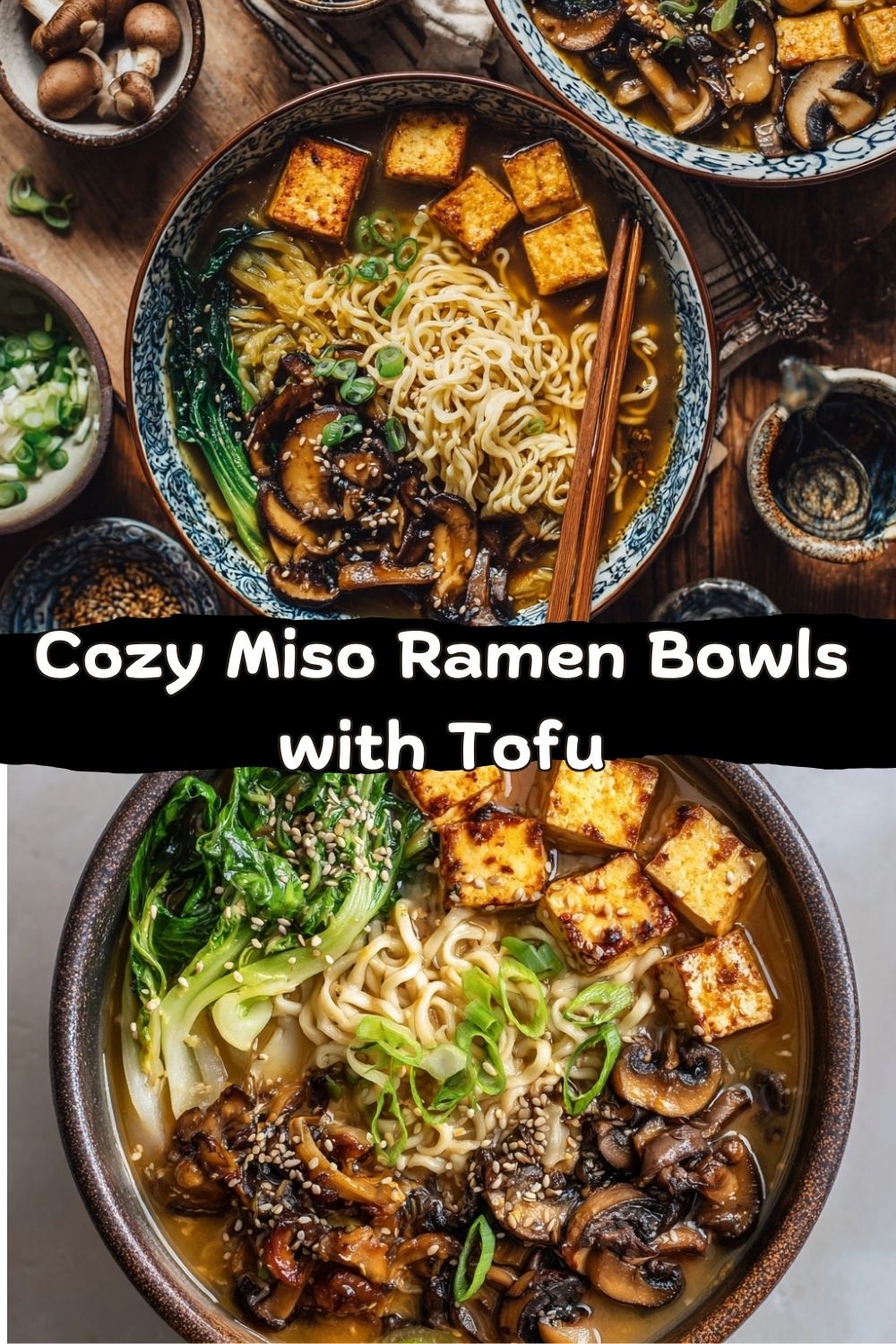
Presentation is part of the joy! Use deep, wide bowls so you have plenty of room for broth and to mix everything without spills. I like to serve this with a large Asian-style soup spoon and chopsticks—it just feels right. Have all your garnishes in little bowls on the table so everyone can customize their own. This meal is perfect for a quiet night in, but it’s also a surprisingly impressive (and easy!) dish to serve to friends. Pair it with a simple side of steamed edamame or a crisp cucumber salad to start. The most important serving suggestion? Eat it immediately, slurp those noodles unabashedly, and enjoy the cozy vibes you’ve just created.
Make It Your Own: Fun Twists & Swaps
Once you’ve mastered the base recipe, the world is your miso bowl. Here are a few of my favorite riffs:
- The Protein Swap: Not feeling tofu? Thinly sliced seared chicken breast, a soft-boiled egg (marinated in soy sauce is next level!), or even a handful of cooked shrimp are fantastic alternatives.
- Veggie Load-Up: Turn this into a fridge-cleaner! Add a handful of spinach or kale in the last minute of simmering the broth. Thinly sliced carrots or bell peppers can be sautéed with the mushrooms. Corn kernels are a sweet, fun addition.
- Spicy Miso Kick: Add 1-2 teaspoons of gochujang (Korean chili paste) or a big spoonful of doubanjiang (spicy bean paste) when you whisk in the miso. It adds a deep, complex heat that’s incredible.
- Creamy Coconut Miso: For a richer, Thai-inspired twist, swap out 1 cup of the vegetable broth for full-fat coconut milk. It creates a luscious, silky broth that’s utterly divine.
- Gluten-Free & Grain-Free: Use 100% buckwheat soba noodles (check the label) or kelp noodles, and ensure your tamari and miso are certified gluten-free.
Jackson’s Kitchen Notes
This recipe has been a living, evolving thing in my kitchen. The first time I made it, I definitely boiled the miso paste directly. Lesson learned—it made the broth taste flat and lost that special fermented brightness. Now, I treat my miso like a delicate treasure.
One of my favorite “happy accidents” was the time I ran out of fresh ginger and used a heaping teaspoon of ginger powder in a pinch. Was it the same? No. But was it still delicious and cozy? Absolutely! It taught me that good cooking is about resourcefulness, not rigidity. This recipe is your playground. Maybe you’ll discover your own perfect garnish combo or level of spice. That’s the whole point of Food Meld—mixing it up and making it yours.
Your Questions, Answered
My broth tastes a bit bland. How can I fix it?
First, make sure you simmered it long enough for the flavors to meld (a full 5-7 minutes after adding the miso). If it still needs a boost, try a splash more soy sauce for saltiness and depth, or a tiny bit more rice vinegar for brightness. A pinch of MSG or a sprinkle of dashi powder (if you’re not strictly veggie) is an umami bomb that will transform it instantly.
Why are my tofu cubes not getting crispy?
This almost always comes down to moisture. You must press the tofu! Wrapping it in paper towels or a clean kitchen towel and weighting it down for 20-30 minutes makes all the difference. Also, ensure your pan is nice and hot before adding the oil and tofu, and don’t move the cubes around too much—let them form a crust.
Can I make this ahead of time?
You can prep components! Cook the tofu/mushrooms and store them separately. Make the broth (just hold off on adding the miso until you reheat). Store the broth and toppings in the fridge for up to 2 days. When ready to serve, gently reheat the broth, whisk in the miso, cook fresh noodles, and assemble. This ensures the best texture for everything.
My noodles got mushy/clumpy in the bowl.
Two tips: 1) Rinse them after draining to stop the cooking and wash off excess starch. 2) Assemble and serve immediately. If you need to hold the broth for a bit, keep the noodles separate and add them to the bowl just before ladling in the hot broth.
Nourishment Breakdown (Approximate)
Here’s a general look at what’s in your cozy bowl. Remember, these values can vary based on specific brands and exact quantities used, especially garnishes.