Let’s Make Some Noise in the Kitchen: My Love Letter to Calabacitas
Hey there, friend. Jackson here. Come on in, grab a wooden spoon, and pull up a stool. I want to talk to you about one of my all-time favorite kitchen moments. You know the one: it’s getting late, you’re staring into the fridge, and you’re hit with that “what on earth am I gonna make?” feeling. You see some zucchini starting to get a little too friendly in the crisper drawer, an ear of corn, a lone pepper… and then it hits you. Not with a bang, but with a beautiful, simple, sizzling whisper from the skillet. That, my friend, is the magic of Calabacitas calling your name.
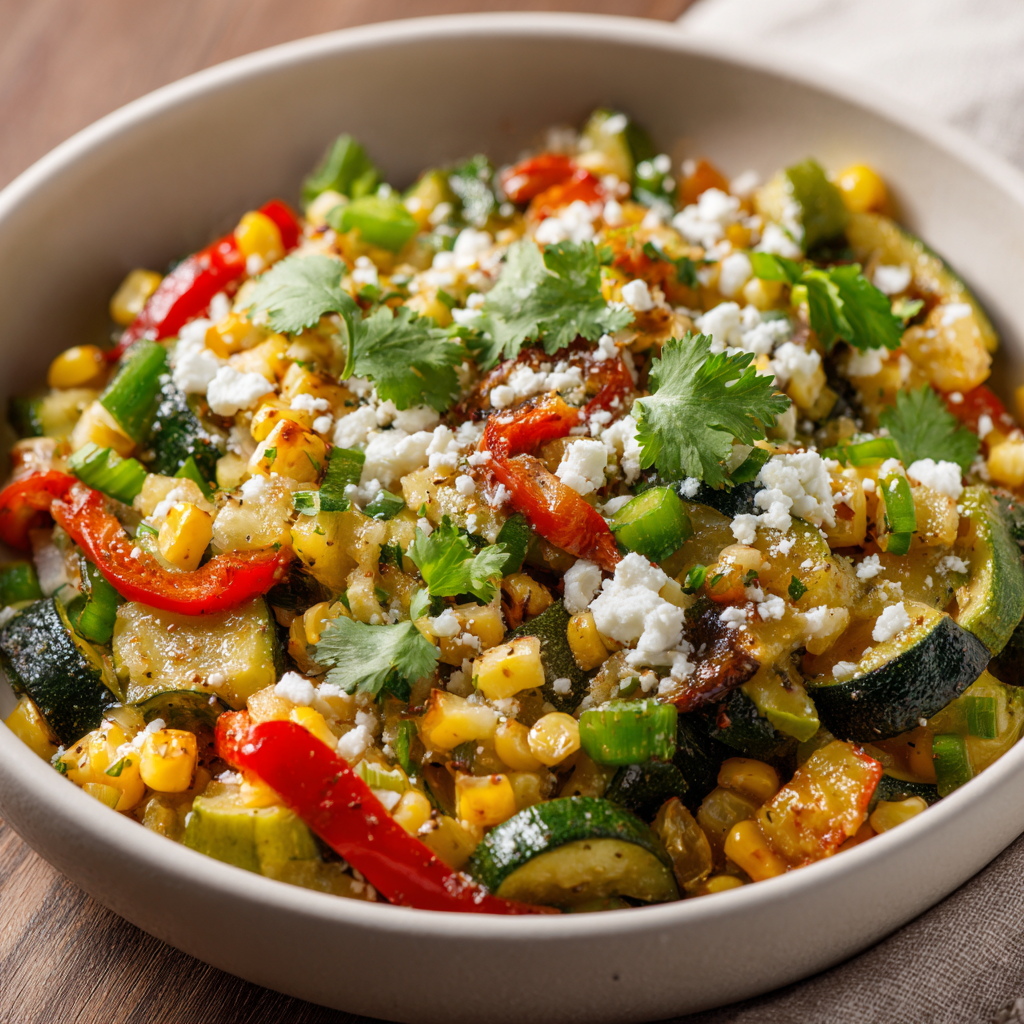
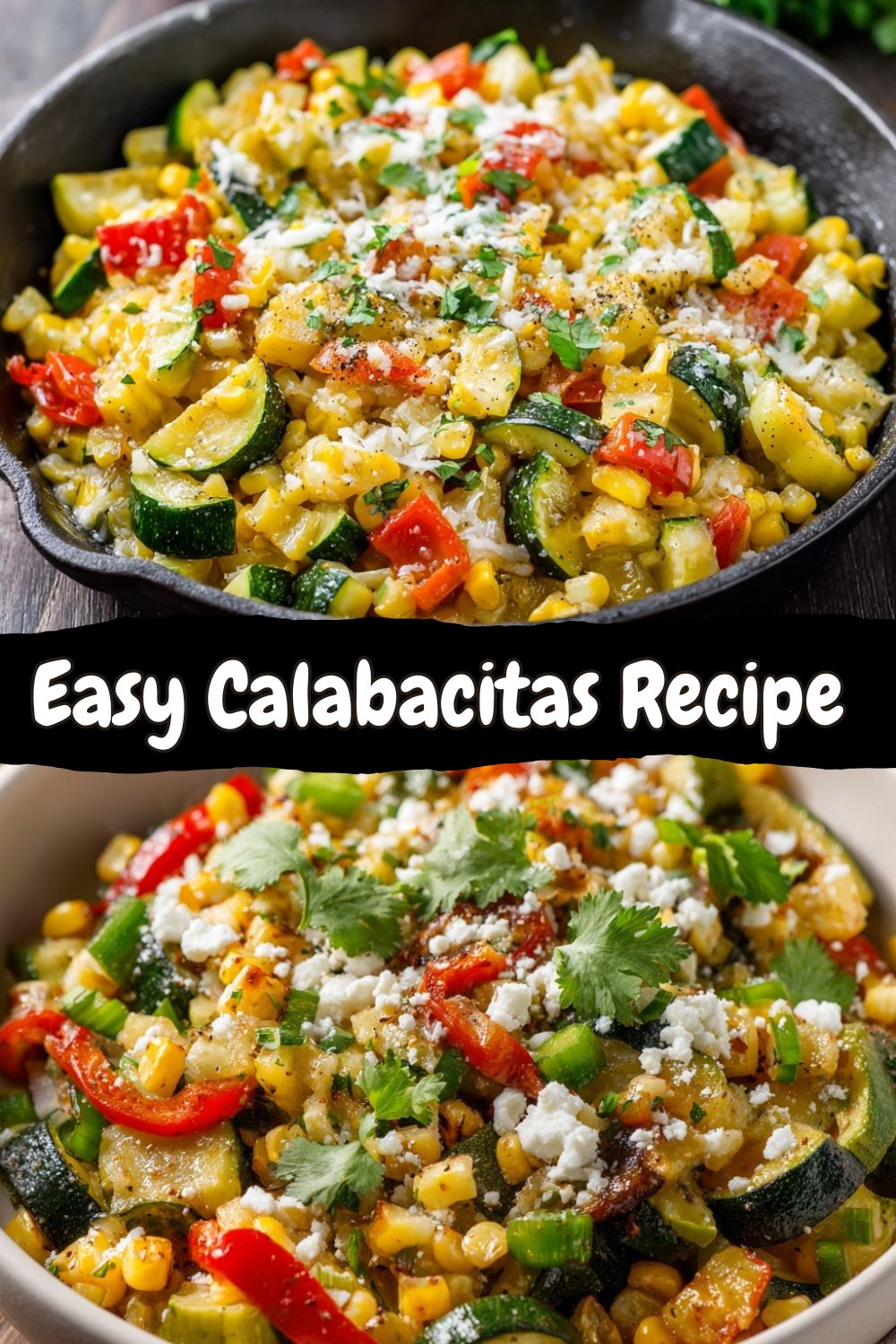
This isn’t just another side dish. Calabacitas is a vibrant, humble, and incredibly forgiving celebration of summer produce, straight from the heart of Mexican home cooking. It’s the culinary equivalent of your favorite, perfectly broken-in jeans—comfortable, reliable, and somehow always right. We’re talking tender-crisp zucchini, sweet pops of corn, a little kick from fresh chiles, all brought together in a creamy, cheesy hug. It’s healthy without shouting about it, packed with flavor without a fuss, and on your table in less than 30 minutes. I live for recipes like this—the ones that look and taste like you fussed for hours, but secretly come together with a casual one-pan sway. So, if you’re ready to turn those everyday veggies into something unforgettable, you’re in the right place. Let’s turn up the heat and cook something awesome together.
The Skillet That Started It All
My obsession with Calabacitas has roots—deep, delicious, and slightly sunburned roots. Picture a Texas summer so hot the air shimmers. I was about fourteen, “helping” (read: mostly getting in the way) at my abuelita’s giant family reunion. The men were by the smoker, debating brisket techniques. The kids were in the sprinkler. And the women? They held court in the kitchen, a symphony of laughter, Spanish, and the steady, rhythmic *chop-chop-chop* of vegetables.
My Tía Rosa was at the stove, commandeering a cast-iron skillet older than my dad. She didn’t measure a thing. In went handfuls of squash from Papi’s garden, corn she’d just cut from the cob, a jalapeño she diced with bare fingers (a move that still intimidates me). I remember watching the colors—the bright green, the sunny yellow, the flecks of red tomato—all swirling together in the oil. The smell was insane: earthy, sweet, a little smoky. When she finally tossed in a big handful of white cheese and let it melt into everything, it was like the whole dish gave a happy sigh. She slapped a steaming spoonful onto a warm tortilla, folded it into a makeshift taco, and handed it to me. “Prueba, mijo.” One bite, and I was hooked. It was comfort, it was family, it was summer captured in a skillet. That’s the feeling I try to bring to my kitchen every single time I make it.
Gathering Your Flavor Crew
Here’s the beautiful part: this dish is incredibly flexible. This is your foundation, your blueprint for awesome. Don’t stress if you’re missing an item—we’ll talk swaps. This makes enough for 4-6 as a killer side, or 2-3 very happy vegetarians as a main.
- 2 tablespoons olive oil – Our cooking fat. It has a great flavor and can take the heat. A neutral oil like avocado or vegetable works too, but olive oil brings a little fruitiness I love.
- 1/2 a large onion, diced – Yellow, white, or sweet onion—your choice. This is our flavor base, the foundation that makes everything else sing.
- 2 cloves garlic, minced – Non-negotiable for me. It adds that deep, aromatic punch. Pro tip: smash the clove with the flat of your knife first—the skin will slip right off.
- 2 medium zucchini, diced – The star! “Calabacita” means little squash. Go for firm, glossy ones. No need to peel.
- 1 yellow squash, diced (optional but encouraged!) – This isn’t just for color (though it’s gorgeous). It adds a slightly sweeter, milder flavor that plays so nice with the zucchini.
- 1 cup corn kernels – Fresh off the cob is sublime in season. Frozen is my year-round MVP—just toss it in straight from the bag, no thawing needed. Canned (drained) works in a pinch, too.
- 1 green chile or jalapeño, finely diced – Here’s where you control the heat. For mild, use a poblano. For a kick, jalapeño is perfect. Remember: the seeds and ribs are the heat headquarters—scrape ’em out if you want it gentle.
- 1 Roma tomato, diced – Roma’s are less watery, which is key. It adds acidity and little bursts of freshness.
- 1/4 cup milk, cream, or even chicken/veggie broth (optional) – This is the “creamy” secret. It creates a light sauce that brings everything together. I use whole milk most often, but heavy cream is decadent, and broth keeps it dairy-free.
- 1/2 cup shredded cheese – The glue! Queso fresco is traditional—salty, crumbly, perfect. Monterey Jack melts like a dream. Sharp cheddar is my Southern twist. Use what you love.
- Salt and black pepper, to taste – Season in layers! Don’t wait until the end.
- Fresh cilantro, for garnish – The finishing confetti. If you’re a cilantro-hater (we’re still friends), try chopped green onions or a squeeze of lime.
Let’s Get Sizzling: Your Step-by-Step Roadmap
Alright, crew. Fire up the stove. We’re about 15 minutes from veggie bliss. I’ll walk you through every step with my favorite little hacks.
- The Sizzle Start: Grab your largest skillet (I use a 12-inch cast iron for that perfect sear) and place it over medium heat. Add the olive oil and let it warm up for about 60 seconds—you should see it shimmer slightly. Chef’s Whisper: A hot pan prevents the veggies from stewing in their own juices. We want sauté, not steam!
- Build the Flavor Base: Toss in your diced onion. Give it a good stir to coat in the oil. Let it cook for 2-3 minutes, stirring occasionally, until it turns translucent and smells sweet. Now add the minced garlic and stir for just 30 seconds—until fragrant. Don’t let it brown! Burnt garlic is bitter, and we’re all about happy flavors here.
- Welcome the Squash Squad: Time for the main event! Add the diced zucchini, yellow squash, and your diced chile of choice to the pan. A good pinch of salt now helps draw out a little moisture. Stir everything to combine and let it cook, undisturbed, for 2-3 minutes to get a little color. Then, give it a stir and cook for another 3-4 minutes, until the squash is just tender-crisp. You want a bit of bite! Pro Hack: If things seem dry at any point, a tiny splash of water or broth works wonders.
- Pop in the Sweetness & Acid: Add the corn and diced tomato. Stir and cook for another 2-3 minutes. The corn will brighten in color, and the tomato will soften just slightly, releasing its juices. This is where the colors really come alive!
- The Creamy Embrace (Optional but Magical): If you’re using milk, cream, or broth, pour it in now. Let it bubble and simmer for a minute. It will mix with the natural veggie juices and tomato to create a light, flavorful sauce. Season generously with black pepper and another pinch of salt. Taste it! Does it need anything? This is your moment.
- The Cheesy Blanket: Reduce the heat to low. Sprinkle your shredded cheese evenly over the entire surface of the veggie mixture. Immediately cover the skillet with a lid. Let it sit for 1-2 minutes, just until the cheese is beautifully melted. No lid? A large baking sheet works in a pinch!
- The Grand Finale: Kill the heat. Uncover and behold the glorious, cheesy, veggie-filled masterpiece. Scatter fresh cilantro over the top. Serve it right from the skillet for maximum effect (and minimal dishes).
How to Serve This Sunshine on a Plate
This dish is the ultimate team player. Here’s how I love to plate it up:
The Classic Sidekick: It’s phenomenal next to simply grilled chicken, carne asada, shrimp tacos, or black bean burgers. It cuts through rich, smoky flavors perfectly.
The Main Event: For a killer vegetarian meal, serve it over a bed of cilantro-lime rice, quinoa, or tucked into warm corn or flour tortillas. Top with a dollop of cool sour cream or avocado crema. Maybe a fried egg on top? Yes, please.
The Next-Level Move: Use it as a filling! Stuff it into enchiladas, quesadillas, or omelets. Spoon it over nachos. The possibilities are endless.
Presentation tip: I love serving it family-style in the colorful skillet, with extra lime wedges and a big bunch of cilantro on the side. Let everyone dig in and customize their own bite.
Make It Yours: 5 Tasty Twists on the Theme
Once you’ve mastered the base, the “what if we tried this?” fun begins. Here are my favorite riffs:
- The “Southwest Fiesta”: Add a can of rinsed black beans with the corn. Swap in pepper jack cheese. Finish with a squeeze of lime and diced avocado on top.
- The “Hearty Protein” Version: Brown 1/2 lb of ground turkey, chorizo, or crumbled tofu in the skillet first. Remove it, then proceed with the onions. Stir the cooked protein back in with the cheese.
- The “Creamy Dreamy” Vegan Take: Skip the dairy milk/cheese. Use veggie broth. At the end, stir in 1/4 cup of nutritional yeast or a few tablespoons of blended cashew cream for that rich, cheesy flavor.
- The “Roasted & Smoky” Upgrade: Instead of sautéing, toss all the chopped veggies (except tomato) with oil, salt, and a teaspoon of smoked paprika. Roast at 425°F for 20 mins. Transfer to a skillet, stir in tomato and a splash of broth, then top with cheese and broil to melt.
- The “Clean-out-the-Fridge” Medley: Got a red bell pepper? Throw it in with the onions. A handful of spinach? Wilt it in at the very end. Mushrooms? Sauté them first. This recipe is your canvas.
Jackson’s Kitchen Notes & Confessions
This recipe has been my trusty sidekick for years, and it’s evolved with me. My biggest lesson? Don’t overcook the squash! We want vibrancy, not mush. I learned that the hard way early on, turning a potential masterpiece into a slightly sad, olive-green puddle. Now, I keep the heat steady and the cook time tight.
I also used to be a “cheese-only” purist, until one day I was out of milk and used a splash of the broth I was making chicken soup with. Game changer. That little bit of liquid creates a cohesive sauce that makes the dish feel more intentional, more “finished.” It’s my not-so-secret secret now.
Most importantly, this dish taught me that the best food isn’t about fancy techniques or obscure ingredients. It’s about treating simple things with respect, cooking with a bit of joy, and sharing it with people you love. That’s the Food Meld spirit, right there.
Your Questions, Answered
Q: My zucchini turned out soggy. What happened?
A: The most common culprit is overcrowding the pan or heat that’s too low. You want the veggies to sauté, not steam. Use your biggest skillet, make sure the oil is hot before adding veggies, and don’t stir constantly—let them sit for a minute to get a little color. Also, salting at the end (instead of during cooking) can help control moisture release.
Q: Can I make this ahead of time?
A> You can prep all the veggies ahead (store them in containers in the fridge), but for the best texture, I recommend cooking it just before serving. If you do have leftovers, they reheat surprisingly well in a skillet over low heat. It might be a bit softer, but the flavor is still fantastic.
Q: What’s the best cheese substitute for queso fresco?
A> If you can’t find queso fresco, feta cheese is the closest in terms of salty, crumbly texture. For melting, a young Mexican cheese like Asadero or Oaxaca is perfect. In a pinch, a mild mozzarella or even a crumbled goat cheese can work beautifully.
Q: Is this dish gluten-free?
A> Yes! As written, with whole, fresh ingredients, this recipe is naturally gluten-free. Just always double-check any packaged broth or pre-shredded cheese, as some can contain anti-caking agents with gluten.
A Quick Note on Nutrition
While I’m not a nutritionist, I love knowing what’s fueling my body. This dish is a nutrient powerhouse! Zucchini and squash are low in calories but high in vitamins C and B6, plus antioxidants. Corn provides fiber and energy-sustaining carbs. Together, they create a side dish or light main that’s satisfying without weighing you down.
The cheese and oil add healthy fats that help your body absorb all those fat-soluble vitamins from the veggies. Using olive oil, in particular, is a great source of monounsaturated fats. If you’re watching calories or fat, you can easily reduce the cheese by half or omit the milk/cream—it’ll still be incredibly flavorful from all the fresh vegetables and spices.
Estimated Nutrition per Serving (based on 6 servings, using whole milk and Monterey Jack): Calories: ~180 | Protein: 6g | Fat: 11g | Carbs: 16g | Fiber: 3g | Sugar: 4g | Sodium: ~150mg (will vary based on cheese and salt used).
Your New Go-To, Anytime Veggie Hero
And that’s it, friends. You’ve now got Calabacitas in your back pocket—a recipe that’s as adaptable as it is delicious, as comforting as it is vibrant. It’s proof that you don’t need a ton of time or fancy ingredients to make a meal that truly sings.
I hope this recipe becomes a regular in your rotation, the thing you make when you need a guaranteed win. More than that, I hope it gives you the confidence to play with your food, to trust your instincts, and to listen for that quiet, happy sizzle that tells you something good is happening in the pan.
Calabacitas is more than a recipe—it’s a reminder. A reminder that the best meals often come from what you already have. That vegetables don’t need to be boring to be nourishing. And that some of the most meaningful dishes are the ones passed hand to hand, scooped straight from a skillet, eaten while standing in the kitchen with people you love.
So the next time zucchini is piling up, or you need a dinner that feels warm, colorful, and a little bit joyful—this one’s got you. Turn on some music, let the skillet sing, and make a little noise in your kitchen.
From my stove to yours,
Jackson 🌽🧀✨