Let’s Make Dinnertime Magic: Roasted Veggie Pesto Pasta
Hey friends, Jackson here from Food Meld. Ever have one of those evenings where you’re staring into the fridge, willing it to produce a dinner that’s simultaneously easy, healthy, and so delicious you actually get excited to eat it? I’ve been there more times than I can count. That’s exactly why this Roasted Veggie Pesto Pasta is my weeknight superhero. It’s the answer to the “what’s for dinner?” dilemma, and I’m so pumped to share it with you.
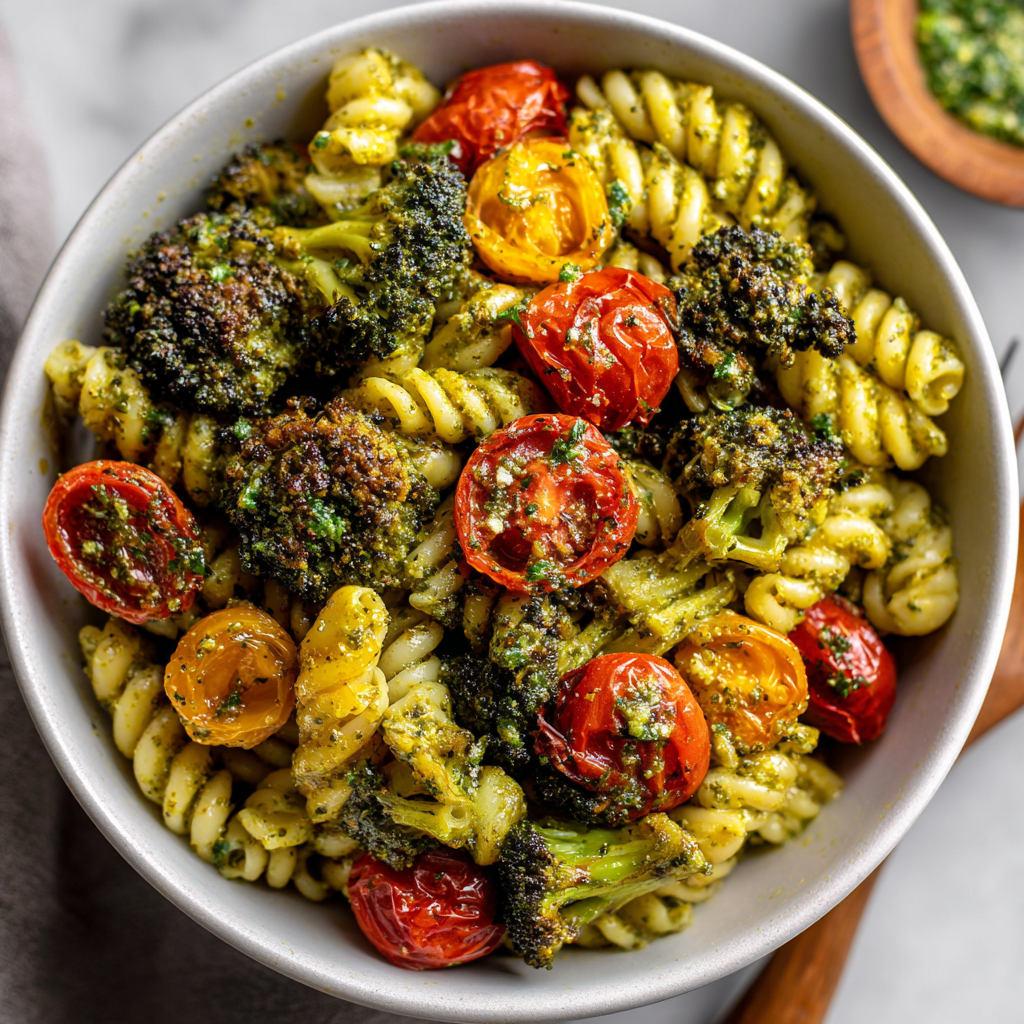
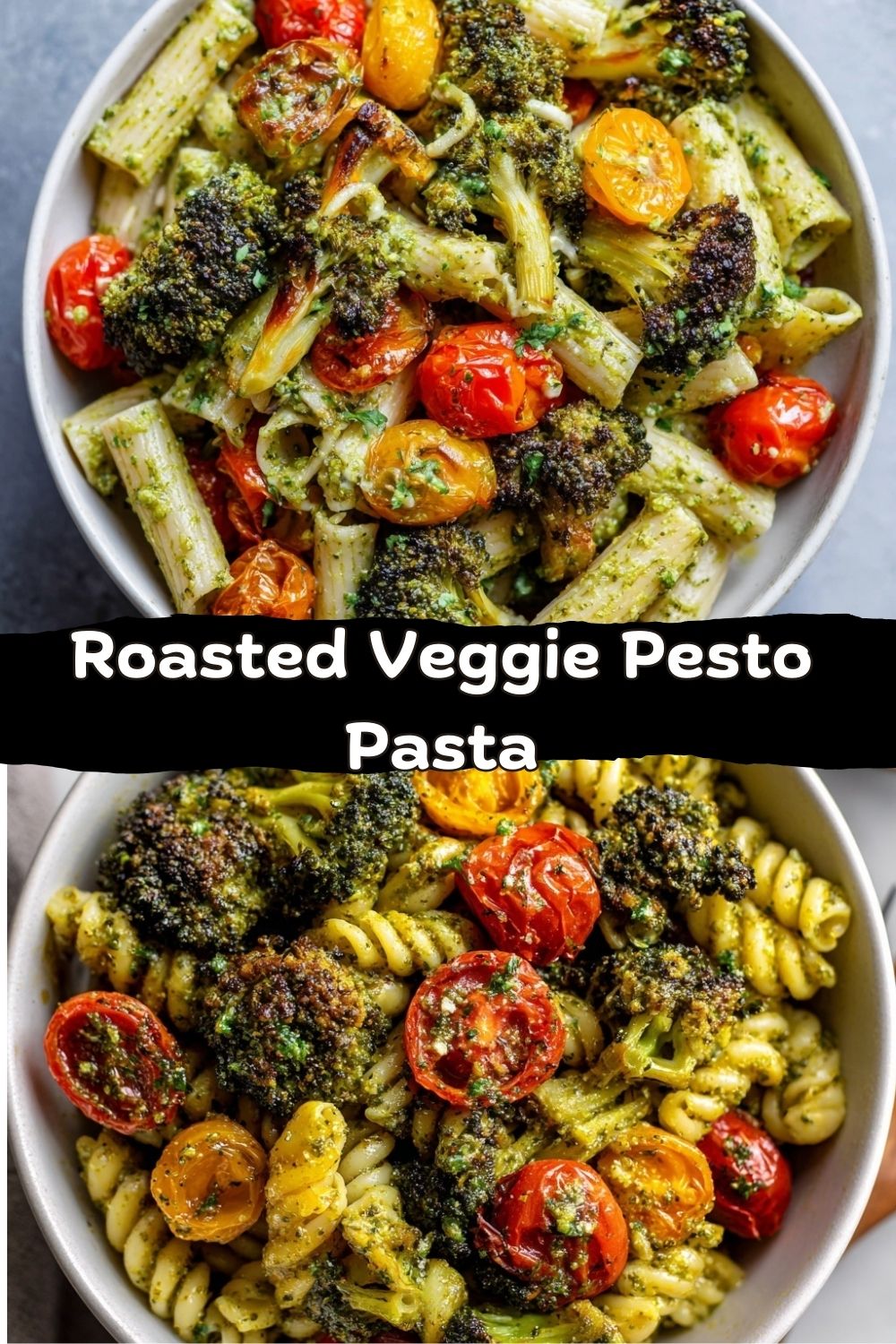
Picture this: al dente pasta coated in a vibrant, herby, dairy-free pesto that’s so creamy you won’t believe it’s plant-based. Now, toss in sweet, blistered cherry tomatoes and caramelized broccoli florets with those perfect crispy edges. It’s a symphony of textures and bright, bold flavors that comes together in about the time it takes to watch your favorite sitcom. This isn’t just a “meatless Monday” dish; it’s a “make-this-any-night-because-it’s-that-good” dish. Whether you’re a seasoned vegan, just dabbling in plant-based eating, or simply looking for a killer pasta recipe, you’ve come to the right place. So, tie on your apron, and let’s turn simple ingredients into something unforgettable. Welcome to your new favorite bowl of comfort.
My Pesto Epiphany: A Tale of Two Kitchens
My love for pesto has roots in two very different kitchens. The first was my grandma’s, down in Georgia, where “sauce” usually meant a slow-cooked gravy. But one summer, a family friend from Liguria visited and made us traditional basil pesto with a marble mortar and pestle. The smell—that intense, fresh perfume of crushed basil and garlic—was a revelation. It was a flavor that felt both foreign and instantly like home.
Fast forward to my first tiny apartment kitchen in the city, where my blender was my most prized possession. I was determined to recreate that magic but on a budget and with what I had. Parmesan was expensive, so I got creative with nuts and seeds. One night, after a particularly long day, I threw some broccoli and tomatoes in the oven to roast, whipped up my scrappy “kitchen sink” pesto, and tossed it all with some pasta. The moment I took a bite, I knew. The sweetness of the roasted veggies against the sharp, garlicky pesto was a perfect meld. It was comforting, vibrant, and entirely my own. That’s the spirit of Food Meld right there—taking inspiration, making it work for you, and ending up with something truly awesome.
Gathering Your Flavor Arsenal
Here’s everything you’ll need to create this flavor-packed bowl. Don’t stress about exactness; cooking is about feeling. I’ve included my favorite chef insights and swaps so you can make this dish yours.
For the Pasta & Roasted Veggies:
- 12 oz (340g) Pasta: I love shapes that catch the pesto and veggie pieces—fusilli, penne, or cavatappi are perfect. Chef Insight: Using a whole-grain or legume-based pasta (like chickpea pasta) adds a nice nutty flavor and extra protein.
- 2 Cups Broccoli Florets: Look for tight, dark green heads. Pro Tip: Don’t toss the stems! Peel the tough outer layer and chop the tender inside into small pieces for zero waste. They roast up great.
- 1 ½ Cups Cherry Tomatoes: The sweet little bombs. Why It Works: Roasting them intensifies their sweetness and creates juicy pockets that burst into the sauce. Multi-colored ones make the dish look incredible.
- 1 Tbsp Olive Oil: Just enough to coat and help everything caramelize. A good extra-virgin olive oil adds fruitiness.
- Salt & Black Pepper: The essential seasonings. Be generous!
For the Dairy-Free Basil Pesto:
- 2 Cups Fresh Basil Leaves: The star. Gently pack them into the cup. Key Move: For the brightest color and flavor, make sure your basil is completely dry after washing.
- ¼ Cup Pine Nuts or Sunflower Seeds: Pine nuts are classic and buttery. Budget-Friendly Swap: Raw sunflower seeds are my go-to alternative—they give the same creamy texture and a mild, lovely flavor for a fraction of the cost.
- 2 Garlic Cloves: Adjust to your love level! One for a hint, two for a punch. I usually go for two.
- ¼ Cup Nutritional Yeast: This is the magic dust. Chef Insight: It gives that savory, “cheesy” umami depth without any dairy. Don’t skip it—it’s a game-changer for plant-based sauces.
- Juice of ½ Lemon: Freshly squeezed, please! This brightens all the flavors and keeps the pesto a vibrant green.
- ⅓ Cup Olive Oil: Use a decent quality one here, as you’ll taste it. This creates the lush, emulsified sauce.
- Salt to Taste: You’ll need a good pinch to balance and elevate all the elements.
Let’s Build That Bowl: Your Step-by-Step Guide
Ready to cook? Follow these steps, and I’ll walk you through every little trick I’ve learned to make this dish foolproof and fantastic.
- Preheat & Prep Your Veggies: Crank that oven to 425°F (220°C). This high heat is our secret weapon for getting gorgeous caramelization without steaming the veggies. While it heats, chop your broccoli into bite-sized florets. Halve the cherry tomatoes if you’re feeling fancy, but leaving them whole is totally fine—they’ll burst beautifully in the oven. Toss them together on a large baking sheet with the tablespoon of olive oil, a big pinch of salt, and a few cracks of black pepper. My Hack: Give the pan a little shake to ensure everything is in a single, uncrowded layer. Crowding = steaming. We want roast!
- Roast to Perfection: Slide that baking sheet into the hot oven and let the magic happen for 20-25 minutes. You’re looking for the broccoli to have some crispy, browned edges and the tomatoes to be soft and slightly collapsed. This is where the flavor foundation is built!
- Boil Your Pasta Like a Pro: While the veggies roast, bring a large pot of well-salted water to a boil. It should taste like the sea—this is your only chance to season the pasta itself. Cook your chosen pasta according to package directions until it’s al dente (has a slight bite). CRUCIAL STEP: Before you drain it, use a mug or measuring cup to scoop out about ½ cup of the starchy pasta water. This liquid gold will help our sauce cling to every noodle later. Drain the pasta and set it aside.
- Whip Up the 5-Minute Pesto: To your blender or food processor, add the basil, nuts/seeds, garlic, nutritional yeast, and lemon juice. Pulse a few times to break everything down. Now, with the motor running on low, slowly drizzle in the ⅓ cup of olive oil. This gradual addition helps create a creamy emulsion. Blend until it’s mostly smooth but with a bit of texture if you like. Taste it! This is the moment. Add salt until it sings. Pro Tip: If you’re not using it immediately, press a piece of plastic wrap directly on the surface to prevent browning.
- The Grand Meld: In the now-empty pasta pot (or a big bowl), combine the hot, drained pasta with your glorious green pesto. Toss it vigorously until every piece is coated. Add in the roasted veggies and gently fold them through. If the sauce seems a bit thick or clumpy, add a splash of that reserved pasta water, one tablespoon at a time, until it loosens to a silky consistency that coats everything perfectly.
Plating Up & Serving with Style
Getting this dish from pot to plate is the final, fun step. I’m a big believer that we eat with our eyes first, so let’s make it beautiful!
Grab your favorite wide, shallow bowls—they’re perfect for pasta. Use tongs or a large serving spoon to twirl and lift a generous portion into each bowl, making sure to get plenty of those roasted tomatoes and broccoli florets mixed in. The vibrant green pesto against the red tomatoes and green broccoli is a natural stunner.
For the finishing touches, a little fresh flair goes a long way. Tear a few extra basil leaves and scatter them over the top. A light sprinkle of extra nutritional yeast or some red pepper flakes for a touch of heat adds visual pop and another layer of flavor. If you have a beautiful, high-quality bottle of olive oil, a tiny drizzle around the edge of the bowl looks restaurant-worthy.
This dish is incredibly versatile for serving. It’s a complete, satisfying meal on its own. For a casual dinner, I bring the pot right to the table and let everyone serve themselves. Want to make it more substantial? A simple side of garlic bread or a crisp green salad with a lemony vinaigrette balances the richness perfectly. It also packs beautifully for lunch the next day—the flavors marry and deepen overnight.
Make It Your Own: Fun Twists & Swaps
The beauty of this recipe is its flexibility. Once you’ve mastered the base, play with it! Here are some of my favorite twists.
- The Protein Power-Up: Add a can of drained and rinsed chickpeas to the sheet pan with the veggies for the last 10 minutes of roasting. Or, pan-sear some seasoned tofu or tempeh cubes and stir them in at the end.
- Seasonal Veggie Swap: Use what’s in season! In fall, try cubed butternut squash and Brussels sprouts halves. In spring, asparagus and zucchini are fantastic. Just adjust roasting times for denser veggies.
- Pesto Remix: Change up your pesto base! Swap the basil for a mix of kale and parsley, or use walnuts instead of pine nuts. For a creamy twist, blend in half an avocado (add it after blending the oil).
- Cheesy (Dairy) Version: If you’re not strictly plant-based, feel free to substitute the nutritional yeast with ¼ cup of freshly grated Parmesan or Pecorino Romano cheese. It’s classic and delicious.
- Gluten-Free & Low-Carb: Use your favorite gluten-free pasta. For a low-carb option, toss the pesto and roasted veggies with spiralized zucchini noodles (zoodles) or chickpea pasta.
Jackson’s Kitchen Notes
This recipe has been a constant in my rotation for years, and it’s evolved with me. The first time I made it, I completely forgot to reserve the pasta water and ended up with a pesto paste that just sat on top of the noodles. Lesson learned! That starchy water is the glue that brings the sauce and pasta together into one cohesive dish.
One of my favorite kitchen stories involves this pesto. I once made a triple batch for a big family potluck. My blender gave out a dramatic smoke signal mid-blend. We had to finish the last batch by hand in a giant bowl with a muddler—it was a full-arm workout, and everyone crowded into the kitchen to take turns. The pesto tasted even better for the effort, and it’s now a legendary family tale. The moral? Even kitchen “fails” can lead to fun memories and great food.
Your Questions, Answered
Q: My pesto turned out bitter. What happened?
A: Bitterness usually comes from over-blending the basil or using garlic that’s past its prime. Pulse, don’t puree, and use fresh, firm garlic cloves. Also, toasting your nuts/seeds lightly in a dry pan until fragrant can deepen their flavor and prevent bitterness.
Q: Can I make this ahead of time?
A: Absolutely! You can roast the veggies and make the pesto up to 2 days ahead. Store them separately in the fridge. Cook the pasta fresh when ready to serve for the best texture, then combine everything while the pasta is hot.
Q: My roasted veggies got soggy. Help!
A: Sogginess is almost always due to overcrowding the pan. Use two baking sheets if needed to give each piece its own space. Also, make sure your oven is fully preheated before the pan goes in.
Q: What’s the best way to store leftovers?
A: Store in an airtight container in the fridge for up to 3 days. The pasta will absorb the sauce, so when reheating, add a tiny splash of water or vegetable broth and stir over low heat until warm and saucy again.
Nutritional Breakdown (Approximate)
Here’s a look at the good stuff you’re putting into your body with this dish. This is an estimate per serving (based on 4 servings) and can vary based on specific ingredients and brands used.
- Calories: ~450
- Protein: 12g (Thanks, nutritional yeast and pasta!)
- Carbohydrates: 55g (The good, energizing kind)
- Dietary Fiber: 6g (Great for gut health from all those veggies and whole-food ingredients)
- Total Fat: 20g (Primarily heart-healthy monounsaturated fats from olive oil and nuts/seeds)
This meal is a fantastic source of vitamins C and K (from broccoli and basil), antioxidants (from tomatoes and basil), and plant-based protein. It’s a balanced, satisfying meal that fuels your body without weighing you down. Remember, these numbers are a guide—the real value is in the fresh, whole ingredients and the joy of eating something you made yourself.
Final Thoughts & Let’s Keep Cooking
And there you have it, friends—my go-to, never-fail, always-delicious Roasted Veggie Pesto Pasta. It embodies everything I love about cooking: transforming simple, accessible ingredients into something that feels special, nourishing, and packed with personality. It’s proof that plant-based eating can be incredibly bold and satisfying.
I hope this recipe becomes a trusted friend in your kitchen, a canvas for your own creativity, and a solution to many a hungry evening. Remember, the best recipes are the ones you make your own. So swap those veggies, play with that pesto, and make it yours.