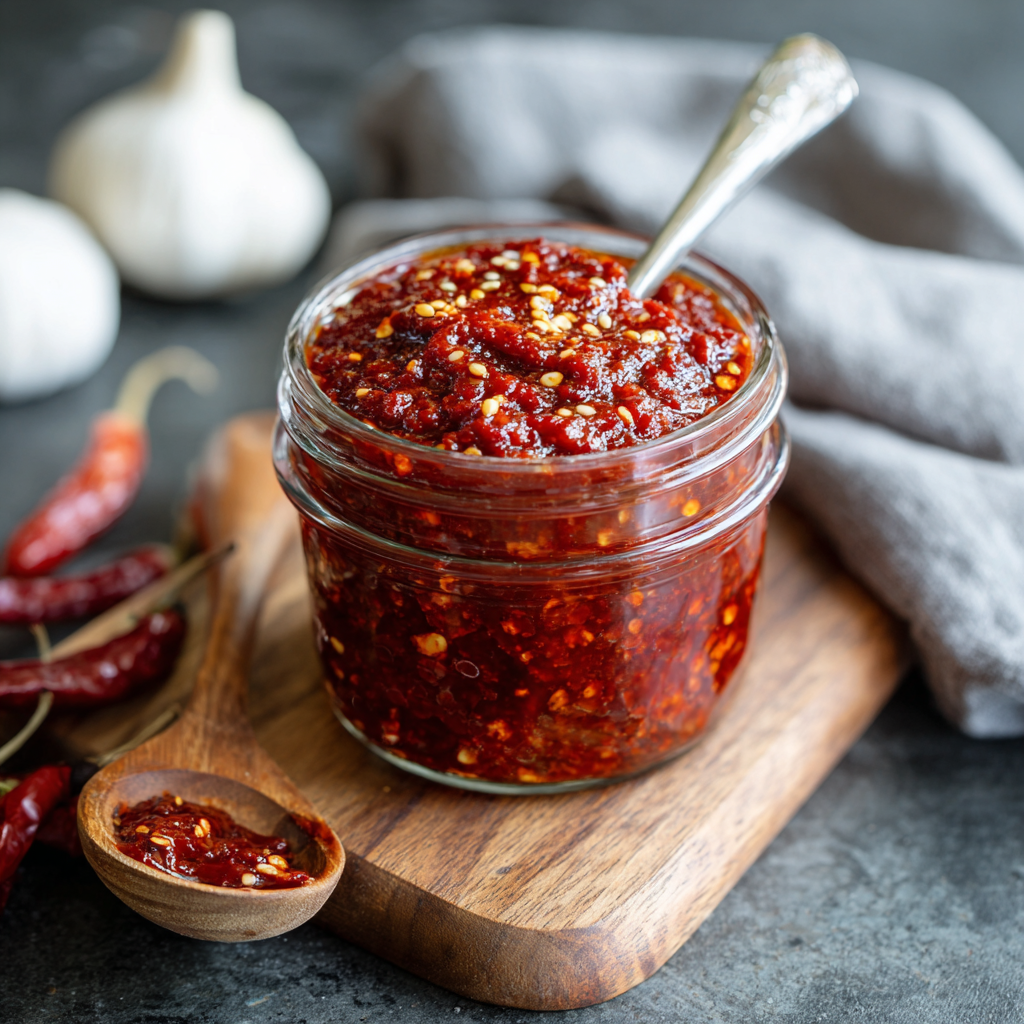
Unlock the Magic: Your Homemade Gochujang Adventure Starts Now
Hey there, food friend! Jackson here, from Food Meld. Let’s have a real talk for a second. How many times have you stared at a recipe for Korean BBQ, fiery noodles, or the most glorious-looking bibimbap, only to see “gochujang” in the ingredients list and think… “Maybe next time”? I’ve been there. That little red tub of Korean chili paste can seem like a mysterious, far-away flavor land. Maybe your grocery store doesn’t carry it, or you’re not sure you’ll use the whole container. But what if I told you the secret to that incredible, umami-packed, sweet-spicy depth is just five minutes and a handful of pantry staples away?
That’s right. Today, we’re not just cooking; we’re crafting flavor gold. We’re making a simplified, totally-doable-at-home version of gochujang. This isn’t about replicating a year-long fermentation process (though mad respect to the traditional methods!). This is about capturing that iconic bold, comforting, and complex spirit in a way that works for your kitchen, right now. It’s about that “what if we tried this?” energy I live for.
Imagine a condiment that’s your new kitchen superhero. A glossy, brick-red paste that can transform a simple grilled chicken breast, elevate a weeknight stir-fry into something you’d serve to guests, or become the “secret ingredient” in your burger sauce that has everyone asking, “What is in this?!” That’s the power we’re unleashing. This homemade gochujang is your ticket to bold, global-inspired flavors without any intimidation. It’s fun, it’s a little messy (in the best way), and it’s guaranteed to create a “you’ve GOTTA try this” moment. So, grab a bowl and a spoon—let’s cook something awesome together.
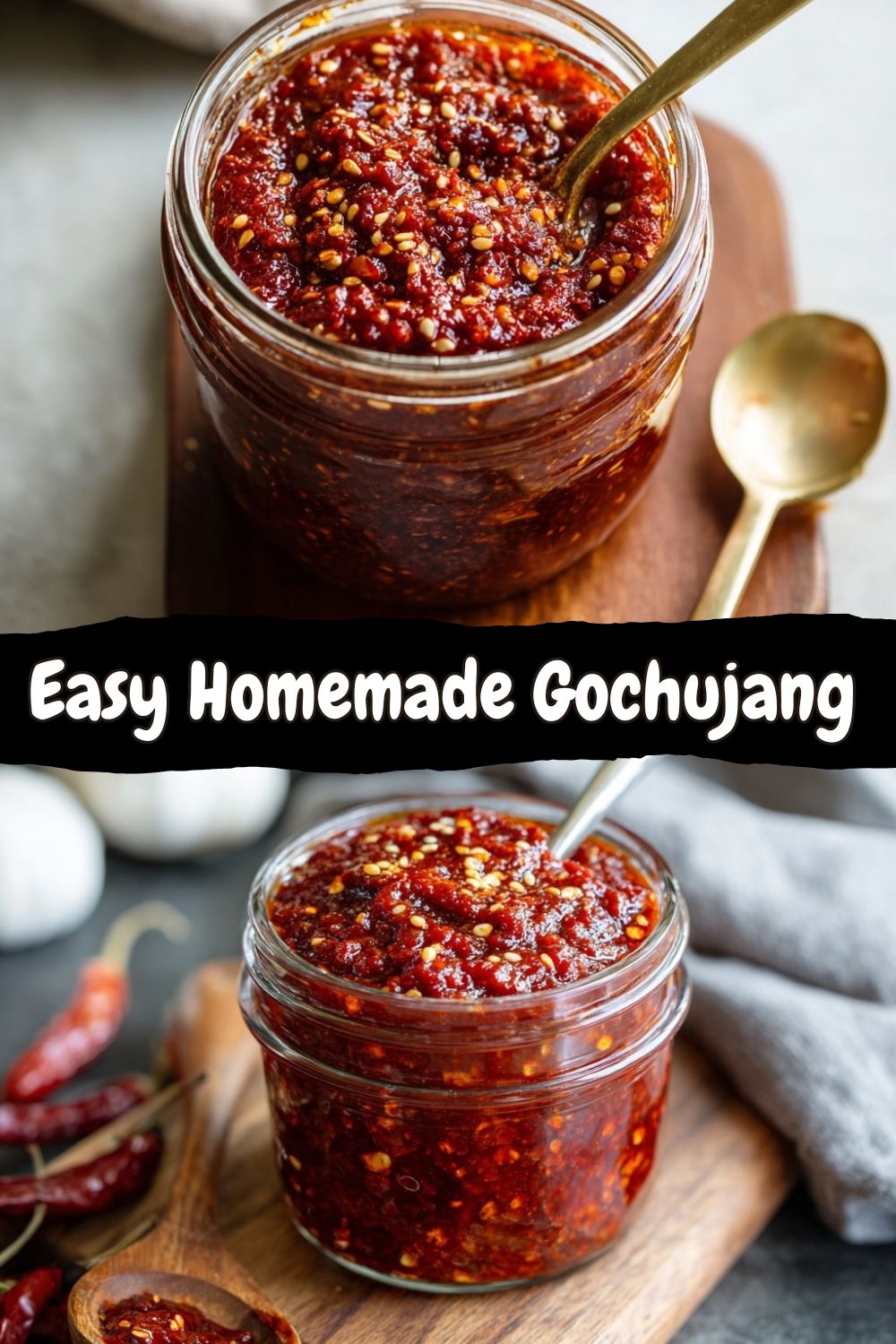
The Gochujang Lightbulb Moment
My love affair with this flavor bomb started, like many great food stories do, in a slightly chaotic and deeply delicious way. A few years back, a friend dragged me to this tiny, no-frills Korean spot tucked behind a gas station. The menu was intimidating, so I pointed at something random—which turned out to be ddeokbokki, those chewy rice cakes swimming in a thick, fiery red sauce. One bite and my world tilted. It was a flavor symphony: intense, savory heat that didn’t just burn, it sang, followed by a sweet, almost malty richness that kept me coming back for more. I asked the server, “What is this magic?” She simply pointed to the little red containers on the table: gochujang.
I went home obsessed. I bought a tub, and it quickly became my favorite kitchen dare. I’d add a spoonful to mayo for fries, whisk it into salad dressings, slather it on salmon… you name it. But as a guy who loves knowing how things work, I became curious. Could I make this myself? The traditional recipes were fascinating but involved fermented soybean blocks and waiting months. My “what if we tried this?” brain kicked in. What if I could mimic that deep umami and sweet heat with ingredients I already had? After a lot of playful (and sometimes hilariously failed) testing, this simplified version was born. It’s my tribute to that first mind-blowing bite—a way to bring that same excitement to your table, no obscure ingredients required.
Gathering Your Flavor Toolkit
Here’s the beautiful part: this recipe is a masterclass in building flavor with just a few key players. Each ingredient has a specific role, and understanding that makes you the conductor of this spicy orchestra. Let’s break it down.
- ¼ cup gochugaru (Korean red pepper flakes): This is the STAR. It’s not your average pizza-shake chili flake. Gochugaru has a vibrant red color, a complex sweetness, and a medium heat that’s flavorful, not just painful. Chef’s Insight: If you can only find one special ingredient, make it this one. It’s worth tracking down at an Asian market or online. In a true pinch, a mix of regular red pepper flakes and a bit of paprika can sub, but the flavor profile will shift.
- 2 tbsp miso paste (red or white): This is our fermentation shortcut and umami engine. Red miso is stronger and saltier, giving a deeper, more traditional base. White miso is milder and slightly sweeter. Use what you have! Sub Tip: No miso? A tablespoon of fermented soybean paste (doenjang) is the traditional route, or in a real emergency, a very small dash of soy sauce plus a pinch of sugar can help mimic the depth.
- 2 tbsp soy sauce: Our salty, savory backbone. It ties everything together with its rich, fermented saltiness. Use low-sodium if you’re watching salt, or tamari for a gluten-free version.
- 2 tbsp honey or brown sugar: The sweet harmony to balance the heat. Honey adds a floral note, while brown sugar brings a deeper molasses richness. Chef’s Play: Try maple syrup for a fun, earthy twist!
- 2 tbsp rice vinegar: The brightening spark. It cuts through the richness and adds a touch of tang that makes the flavors pop. Apple cider vinegar works in a pinch.
- 1 tbsp sesame oil: The aromatic finish. Toasted sesame oil is non-negotiable here—its nutty fragrance is iconic in Korean cuisine and makes the paste smell incredible.
- 1 tbsp water (or more): Our consistency artist. Start here, and add more to get your perfect, spoonable paste texture.
- 1 tsp garlic powder (optional): The flavor booster. While fresh garlic is amazing, powder blends seamlessly and ensures no raw garlic bite. Feel free to use a clove of fresh minced garlic if you prefer!
Let’s Make Some Magic: The 5-Minute Method
See? Nothing scary here. This is the fun part—where we watch simple ingredients become something greater than the sum of their parts. Get ready for some arm exercise!
- Combine the Core Four. In a medium bowl, plop in your gochugaru, miso paste, soy sauce, and honey. Now, take a sturdy spoon or a small whisk and start mashing and stirring. It’ll look thick, almost like a pastey rubble. Chef’s Hack: If your honey is super thick, warm the jar in a bowl of hot water for a minute first. It’ll mix in like a dream.
- Create the Sauce. Once your core mixture is relatively uniform (don’t worry about perfection), pour in the rice vinegar and sesame oil. This is where it starts to come alive! The liquid will loosen everything up. Stir vigorously until it’s smooth and glossy.
- Adjust the Flow. Now, add that tablespoon of water. Stir it in. Is it the consistency of a thick ketchup or a smooth tomato paste? That’s our sweet spot. Want it thinner for a marinade or dressing? Add more water, a teaspoon at a time, until it’s just right for you. Pro Tip: The paste will thicken just a touch in the fridge, so err on the side of slightly looser if you’re unsure.
- Taste and Tweak (The Best Part!). THIS IS CRUCIAL. Dip a clean spoon in and give it a taste. Be brave! Now, think: Do you want it sweeter? Add a drizzle more honey. More tang? A splash of vinegar. Need more savory depth? A tiny extra dash of soy sauce. This is where you make it yours. My mantra: If it doesn’t taste amazing to you, it doesn’t leave the bowl. Adjust until you’re doing a happy dance.
- Jar It Up! Scrape every last bit of your gorgeous, crimson creation into a clean glass jar with a tight-fitting lid. Wipe the rim, seal it, and pop it in the fridge.
And that’s it! In the time it takes to brew a cup of coffee, you’ve made a powerhouse condiment. Let it hang out in the fridge for at least an hour before using; this lets the flavors get to know each other and mellow into perfect harmony.
How to Use Your Homemade Flavor Firepower
Okay, you’ve got this jar of deliciousness. Now what? Think of it as your new favorite paint for the canvas of your dinner. Here are some of my go-to ways to use it:
The Classic Dip: Mix a heaping spoonful with a bit of mayo and a squeeze of lime for an insane burger spread, fry dip, or veggie dunk.
The Instant Marinade: Whisk together 2 tbsp gochujang, 1 tbsp oil, 1 tbsp rice vinegar, and a teaspoon of your honey. Pour it over chicken thighs, tofu, or shrimp and let it soak up the flavor for 30 minutes before grilling or baking.
The Stir-Fry Supercharger: When you’re sautéing veggies and protein, push them to the side, add a spoonful of your paste to the center of the pan with a tiny bit of oil, let it sizzle for 15 seconds to wake up the flavors, then toss everything together. Game changer.
The “Bibimbap at Home” Sauce: Thin out a few tablespoons with a little water, a dash more vinegar, and a teaspoon of sesame oil. Drizzle it over a bowl of rice, veggies, a fried egg, and some bulgogi for the most satisfying meal you’ll make all week.
The Secret Soup Booster: Stir a teaspoon into your ramen, instant noodle broth, or even a simple vegetable soup for an instant depth and gentle heat.
Make It Your Own: Creative Twists on the Theme
The fun doesn’t stop with the base recipe. This is your playground! Here are a few ways to mix it up and let your creativity run wild:
- The Fruit-Forward Twist: Replace the honey with an equal amount of pureed ripe pear, apple, or even mango. It adds a subtle fruitiness and natural sweetness that’s incredible with pork or in a slaw.
- The “Kick It Up” Version: Love the sweat? Add ½ to 1 teaspoon of cayenne pepper or a few shakes of your favorite hot sauce to the mix for an extra layer of heat.
- The Smoky Chipotle Blend: Substitute 1 tablespoon of the gochugaru with 1 tablespoon of ground chipotle pepper. You’ll get a beautiful, smoky-sweet flavor that’s killer on grilled meats or in baked beans.
- The Vegan & Gluten-Free Friend: Already almost there! Just ensure you use brown sugar or maple syrup (check label for purity) instead of honey, and use tamari instead of soy sauce. You’re golden.
- The Fresh Herb Bomb: After mixing, fold in 1-2 tablespoons of finely chopped fresh cilantro or green onion. It adds a brilliant fresh counterpoint, perfect for using as a finishing sauce.
Jackson’s Kitchen Notes & A Funny Story
This recipe has been a living, evolving thing in my kitchen. The first time I tried making something like it, I used standard chili powder instead of gochugaru because I was being stubborn. Friends, it was… brown. And it tasted like spicy, salty bean dip—not the vibrant, complex flavor I wanted. Lesson learned: respect the core ingredients!
Over time, I’ve learned that the flavor deepens beautifully after 24 hours in the fridge. So if you can, make it a day ahead of when you really need it. Also, the color will stain wooden spoons and light-colored silicone spatulas (ask me how I know), so maybe use a metal spoon or one you don’t mind turning a little pink.
Most importantly, have fun with it. This isn’t about rigid rules. It’s about building confidence and discovering a new flavor you can command. That’s what Food Meld is all about.
Your Questions, Answered
Q: How long does this homemade gochujang last?
A: Stored in a clean, airtight jar in the refrigerator, it will keep beautifully for up to 2 weeks. Because we’re using fresh ingredients like miso and garlic (powder), it won’t have the multi-month shelf life of a store-bought, heavily preserved version. But trust me, you’ll use it up way before then!
Q: I can’t find gochugaru anywhere! What’s the best substitute?
A: I feel you. In a pinch, you can use 3 tablespoons of regular red pepper flakes (ground a bit finer in a spice grinder if you can) plus 1 tablespoon of sweet paprika. The flavor will be different—more straightforwardly hot and less complexly sweet—but it will still make a delicious spicy paste. Order some gochugaru online for next time!
Q: My paste turned out too thick/thin. Help!
A> No sweat! Too thick? Simply whisk in more water, a teaspoon at a time, until it’s the consistency of a thick ketchup. Too thin? You have two options: let it sit in the fridge for a few hours—it will naturally thicken as the gochugaru absorbs moisture. Or, you can whisk in an extra half-tablespoon of miso paste to thicken and add more flavor.
Q: Is this as fermented/strong as real gochujang?
A> Honestly? No. Traditional gochujang undergoes a long fermentation that develops incredibly deep, funky, and complex flavors. This is a quick, “cheater” version designed to capture the spirit—the sweet, spicy, savory, umami-rich profile—in a way that’s accessible for a weeknight. Think of it as gochujang’s incredibly flavorful, ready-in-5-minutes cousin.
Nutritional Info (Because Knowledge is Power!)
Below is a rough estimate per 1-tablespoon serving, calculated using standard ingredients like honey, soy sauce, and miso. Values will vary based on brands and substitutions.
-
Calories: ~35
-
Fat: 1.5g
-
Carbohydrates: 5g
-
Sugars: 4g
-
Protein: 1g
-
Sodium: ~280mg
This paste is intensely flavored, so a little goes a long way. Think of it as a flavor amplifier rather than something you use by the spoonful.
The Takeaway: Bold Flavor, Zero Intimidation
This homemade gochujang is exactly why I love cooking the way I do. It’s not about chasing perfection or recreating tradition down to the last fermented detail—it’s about understanding why flavors work, then using that knowledge to cook with confidence.
With one small bowl and five minutes, you’ve unlocked a whole new lane of flavor. You now have a sauce that can wake up weeknight dinners, impress guests without stress, and quietly turn you into the person who “always makes really good food.” And the best part? You made it yourself.
So keep this recipe close. Play with it. Taste boldly. Use it where you normally wouldn’t. That curiosity—that willingness to ask “what if?”—is where great cooking lives.
From my kitchen to yours: keep exploring, keep experimenting, and keep melding flavors