Let’s Bring the Bistro Home: The Ultimate Steak Frites
Hey, it’s Jackson from Food Meld. Pull up a chair, or better yet, grab your favorite apron. Today, we’re not just making dinner—we’re creating a vibe. You know that feeling? You walk into a cozy French bistro, the air smells like seared beef and salty, crispy potatoes, and you know you’re about to have one of those meals you’ll think about for weeks. That’s Steak Frites. It’s iconic for a reason: it’s simple, deeply satisfying, and feels like a celebration on a plate.
For the longest time, I thought this dish was restaurant-only magic. Something about those perfect, golden fries and that glossy, butter-basted steak seemed like chef’s secret territory. Then I realized—it’s just a great cut of meat, some humble potatoes, and a little bit of know-how. That’s my jam. I’m all about demystifying those “wow” dishes and showing you how the magic is totally doable in your own kitchen, with your own two hands.
This recipe is my love letter to that bistro feeling. We’re going to make fries so crisp they sing, and a steak so juicy and flavorful you might just cancel your reservation for next weekend. It’s a project, but a fun one. It’s the kind of cooking that’s active, a little messy, and 100% rewarding. So, let’s turn up some music, pour yourself something good to sip on, and let’s cook something awesome together. Get ready to make your kitchen smell incredible.
My First Bistro Bite & A Kitchen Meltdown
My steak frites story starts with a seriously undercooked potato and a whole lot of pride. Years ago, before Food Meld was even a thought, I was trying to impress a date. I decided to go all-in and recreate this dish I’d had once in New Orleans. I figured, how hard could it be? Meat, potatoes, hot oil. Confidence was high.
I focused all my energy on the steak (which, thankfully, turned out okay). The fries? I chopped ‘em up, threw them straight into screaming hot oil, and called it a day. What came out were fries that were burnt on the outside, stubbornly raw and soggy in the middle—a textural tragedy. We ended up laughing so hard about my “frite fail” that it became a better story than if the meal had been perfect. That night taught me the most important Food Meld lesson: respect the process, especially for the humble potato. That double-fry method isn’t just a suggestion; it’s the gateway to fry nirvana. Now, every time I make this dish, I think about that kitchen meltdown and smile. It’s a reminder that the best cooking moments are often the imperfect, learning-as-you-go ones you share with people.
Gathering Your Flavor Arsenal
Here’s what you’ll need to build this masterpiece. Don’t just grab and go—read my notes. Knowing your ingredients is the first step to making the recipe truly yours.
- For the Steak (The Star):
- 2 Ribeye, NY Strip, or Sirloin Steaks (about 1 inch thick): This is your splurge. Ribeye is my top pick for its rich marbling and flavor. NY Strip is a fantastic, slightly leaner option with great beefy taste. Sirloin is a great budget-friendly hero. The 1-inch thickness is key for a proper sear without overcooking.
- Kosher Salt & Freshly Ground Black Pepper: The dynamic duo. We’re going to be generous with the salt—it’s the primary crust-builder. Freshly ground pepper is non-negotiable; the pre-ground stuff just doesn’t have the same punch.
- 1 Tbsp Olive Oil: A high-smoke point oil like regular olive oil (not extra virgin) or avocado oil is perfect for getting that initial sear without smoking out your kitchen.
- 2 Tbsp Unsalted Butter: This is for basting, and it’s where the magic deepens. It creates that gorgeous, restaurant-quality finish. Using unsalted lets you control the seasoning.
- 2 Garlic Cloves, Smashed: Smashing them releases their oils into the butter. No need to chop—we want flavor, not burnt bits.
- A Few Sprigs of Fresh Thyme or Rosemary (optional but highly recommended): This is the “herbaceous perfume” for your basting butter. It infuses the steak with an incredible aroma.
- For the Frites (The Supporting Legend):
- 2 Large Russet Potatoes: The king of fry potatoes. High starch content means fluffy inside and crispy outside. Give them a good scrub!
- Neutral Oil for Frying (Vegetable, Canola, or Peanut): You’ll need enough to submerge the fries in your pot or Dutch oven. A neutral flavor lets the potato shine.
- Kosher Salt: For seasoning the second they come out of the hot oil. The salt sticks like a dream.
Let’s Build the Magic, Step-by-Step
We’ll tackle the fries first since they have a resting period. It’s like a delicious relay race.
Part 1: Crafting the Perfect Frites
Step 1: The Cut & Soak. Scrub your potatoes clean. You can peel them for a classic look, but I often leave the skin on for extra texture and nutrients (it’s a vibe). Slice them into 1/4-inch thick sticks. Try to keep them even so they cook at the same rate. Chef Hack: Immediately submerge them in a large bowl of cold water. Let them soak for at least 30 minutes, or up to a few hours in the fridge. This soaks out excess surface starch, which is the secret weapon for maximum crispiness and prevents them from sticking together.
Step 2: The Dry-Off. This is CRUCIAL. Drain your potato sticks and pat them relentlessly dry with clean kitchen towels or paper towels. I’m talking bone-dry. Water + hot oil = spatters and dangerous steam. Be thorough here.
Step 3: The First Fry (The Blanch). In a heavy-bottomed pot or Dutch oven, heat 2-3 inches of oil to 325°F (160°C). Use a thermometer if you have one; if not, a wooden chopstick dipped in the oil should bubble steadily around it. Working in batches to avoid crowding, gently lower your dry potatoes into the oil. Fry for 4-5 minutes. They won’t be brown yet, just soft and slightly translucent. This step cooks the potato all the way through. Remove with a slotted spoon or spider and drain on a wire rack set over a baking sheet. Let them cool completely. You can do this hours ahead of time!
Step 4: The Second Fry (The Glory). Crank your oil heat up to 375°F (190°C). This is where the magic happens. Again in batches, fry the blanched potatoes for 2-3 minutes until they are deeply golden brown and incredibly crispy. Chef Hack: The sound changes from a bubbly fry to a sharper, crisper crackle when they’re ready.
Step 5: The Immediate Season. As soon as they hit the rack or a bowl, shower them with kosher salt. Toss them gently. This is the moment.
Part 2: Searing the Perfect Steak
Step 1: Prep & Patience. Take your steaks out of the fridge about 30 minutes before cooking. This brings them to room temperature, ensuring even cooking from edge to center. Pat them completely dry with paper towels—this is the #1 rule for a good sear. Moisture is the enemy of crust. Season aggressively on all sides with salt and pepper.
Step 2: The Sear. Place a heavy skillet (cast iron is my MVP here) over medium-high to high heat. Let it get seriously hot. Add your olive oil; it should shimmer. Carefully place your steaks in the pan. You should hear a confident, immediate sizzle. Don’t touch them! Let them sear, undisturbed, for 3-4 minutes for that beautiful brown crust.
Step 3: The Flip & Baste. Flip your steaks using tongs. Add the butter, smashed garlic, and herbs to the pan. As the butter melts, tilt the pan slightly and use a spoon to continuously scoop the bubbling, fragrant butter over the top of the steaks. Do this for the last 1-2 minutes of cooking. For a 1-inch steak, 3-4 minutes per side plus basting usually gets me a perfect medium-rare. Chef Hack: Use the finger test or a quick-read thermometer (125°F for rare, 135°F for medium-rare).
Step 4: The Sacred Rest. Transfer your steaks to a cutting board or plate. DO NOT slice them. Let them rest for at least 5-10 minutes. This allows the juices, which have rushed to the center, to redistribute throughout the meat. If you cut now, all those delicious juices will end up on your board, not in your bite.
Plating Your Masterpiece
This is the fun part. You’ve done the work, now let’s make it look as good as it tastes. I like to go for the “chef’s kitchen table” look—effortless but intentional.
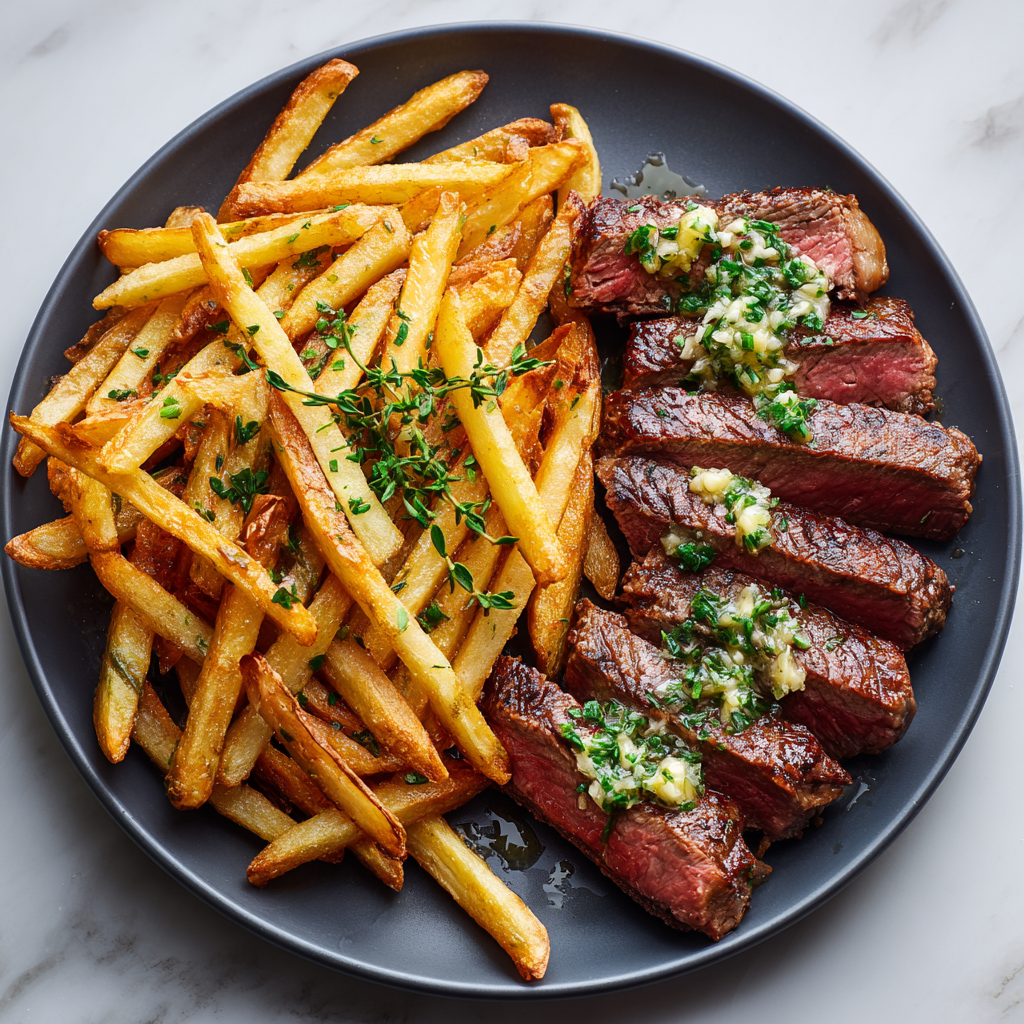
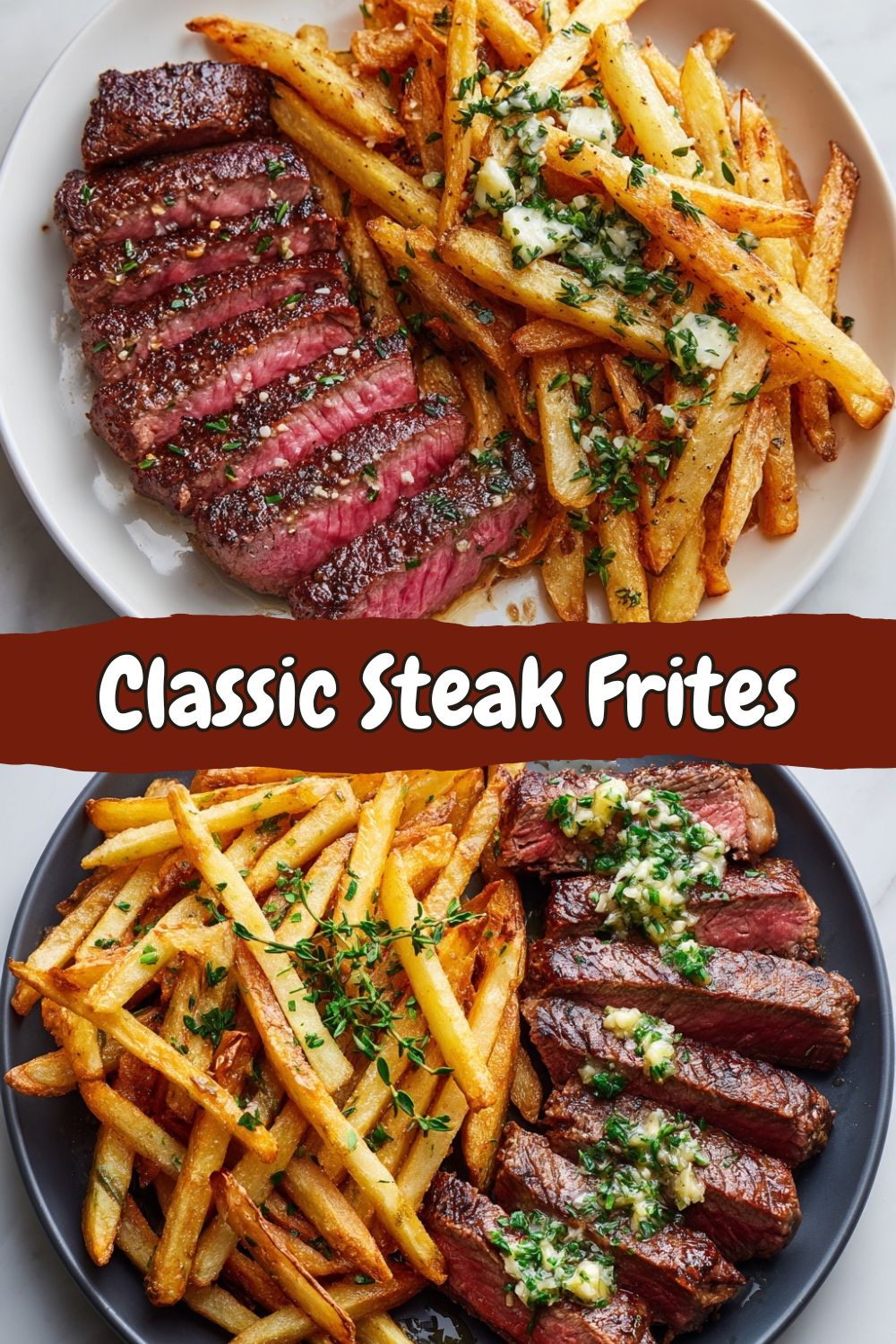
Grab a warm plate. Pile a generous portion of those golden, salty frites on one side, letting some spill over casually. Slice your rested steak against the grain (this makes it tender) and fan it out next to the fries. Drizzle any of those incredible garlic-herb butter juices from the cutting board right over the top of the meat. The final touch? A simple sprinkle of flaky sea salt and maybe one more twist of black pepper.
This dish is a full meal, but if you want to round it out, keep it simple. A bright, bitter arugula salad with a lemon vinaigrette cuts through the richness perfectly. Or, just a classic steamed green like haricots verts. And of course, a glass of bold red wine or a crisp, cold beer is the perfect companion. Now, sit down and enjoy what you just created.
Make It Yours: Creative Twists on the Classic
The basic formula is perfection, but playing with flavors is where the “Food Meld” energy comes alive. Here are a few of my favorite riffs:
- The “Dirty Steak” Frites: After the first fry, toss your blanched potatoes in a mix of smoked paprika, garlic powder, and a touch of cayenne before the second fry. Serve the steak with a bold blue cheese compound butter instead of the garlic herb baste.
- The Herb & Parm Frites: As soon as the fries come out of the oil, toss them with a handful of finely chopped fresh parsley, chives, and a generous shower of finely grated Parmigiano-Reggiano.
- The “Frites” Swap: Not in the mood to fry? Toss your soaked/dried potato sticks in a generous amount of oil, salt, and pepper and roast them on a sheet pan at 425°F (220°C) for 25-35 minutes, flipping halfway, until crispy. They’re not *quite* the same, but they’re deliciously easier.
- The Pan Sauce Upgrade: After removing your steak, pour off most of the fat from the pan. Add a big splash of red wine or beef broth to the garlic and herbs. Let it bubble and reduce by half, then stir in a cold knob of butter until glossy. Pour this over your sliced steak.
Jackson’s Notebook: The Evolution of This Dish
This recipe has been through it all in my kitchen. I’ve tried every potato variety (Yukon Golds make a delicious, creamier fry, FYI), every oil, and I’ve even attempted the infamous “triple fry.” (Verdict: overkill for home cooks). The biggest game-changer for me was learning to blanch the fries ahead of time. Now, when friends come over, I have my pre-cooked fries ready to go in a bowl. The second fry takes just minutes, and I can focus on the steaks and the conversation. It turns a “project meal” into an achievable weeknight victory. And about that first fry fail I mentioned? I keep a single, sad-looking, undercooked fry pinned to my bulletin board as a reminder to always respect the process—and to never stop laughing in the kitchen.
Your Questions, Answered
Q: My fries are soggy/not crispy. What went wrong?
A: The usual suspects are: 1) Not drying the potatoes enough after soaking (get them BONE DRY), 2) Crowding the pot during frying (fry in small batches), or 3) The oil temperature was too low. A good thermometer is your best friend here. The first fry should be a gentle bubble, the second fry should be an active, hotter bubble.
Q: How do I get a better crust on my steak?
A: Two words: PAT DRY. Before your steak even sees salt, pat it aggressively with paper towels. Room-temp meat and a screaming hot pan are the other essentials. And don’t move it until it’s ready to flip—that sear needs uninterrupted contact.
Q: Can I use a different cut of meat?
A: Absolutely! Filet mignon is a luxurious, tender option (cook it a minute less per side). Hanger or flank steak are great flavorful choices; just slice them very thinly against the grain after resting. The method remains the same.
Q: Help! My kitchen is full of smoke from searing.
A: It happens to the best of us. Make sure you’re using a high-smoke point oil (not extra virgin olive oil). Turn on your hood fan, open a window, and temporarily disable your smoke alarm (carefully!). A well-ventilated kitchen is a happy kitchen.
Nutritional Information (Approximate, per serving)
Let’s keep it real—this is a celebratory, hearty dish. Here’s a rough breakdown for one serving (1 steak and half the fries), assuming standard ingredients and pan basting. Remember, these are estimates and can vary based on your specific cuts and how much oil is absorbed.
- Calories: ~750-850
- Protein: 45g (A fantastic source of high-quality protein and iron.)
- Fat: 45g (This includes both the marbling in the steak and the cooking fats. Using a leaner cut like sirloin can reduce this.)
- Carbohydrates: 45g (Primarily from the potatoes, offering energy and a good dose of potassium.)
- Fiber: 4g (Leaving the potato skin on boosts this number!)
My philosophy? Enjoy this meal mindfully and wholly. Balance it out with lighter meals throughout the week, and savor every single, delicious bite without guilt. Food is fuel, but it’s also joy.