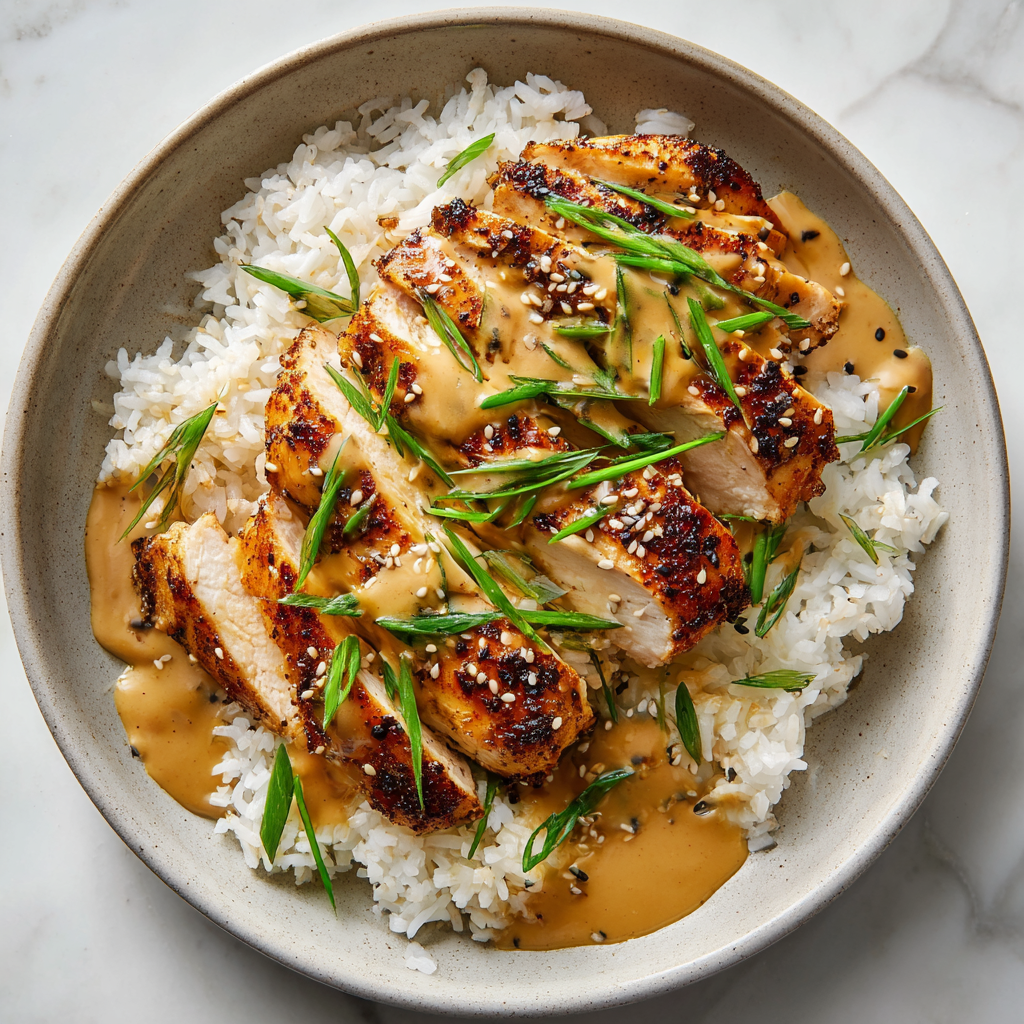
Miso-Tahini Chicken Breast: Your New Favorite 30-Minute Flavor Bomb
What if I told you there’s a sauce so good, so stupidly simple, and so packed with personality that it transforms that humble chicken breast into a meal you’d be proud to serve to your most food-obsessed friend? A sauce that’s creamy without cream, deeply savory, nutty, and has that mysterious “what *is* that amazing flavor?” quality.
That magic is exactly what we’re making today: my Miso-Tahini Chicken Breast. This isn’t just another chicken recipe. This is a 30-minute ticket to Flavor Town, population: you and your suddenly very impressed dinner crew. We’re melding the earthy, nutty richness of tahini (hello, sesame!) with the profound, salty-sweet umami punch of miso. It’s a fusion that feels fancy but is built on simplicity. It’s the kind of dish that proves unforgettable meals don’t need a dozen ingredients or hours of work—they just need the *right* ingredients and a dash of “what if we tried this?” energy. So grab your favorite skillet, and let’s turn the ordinary into the extraordinary.
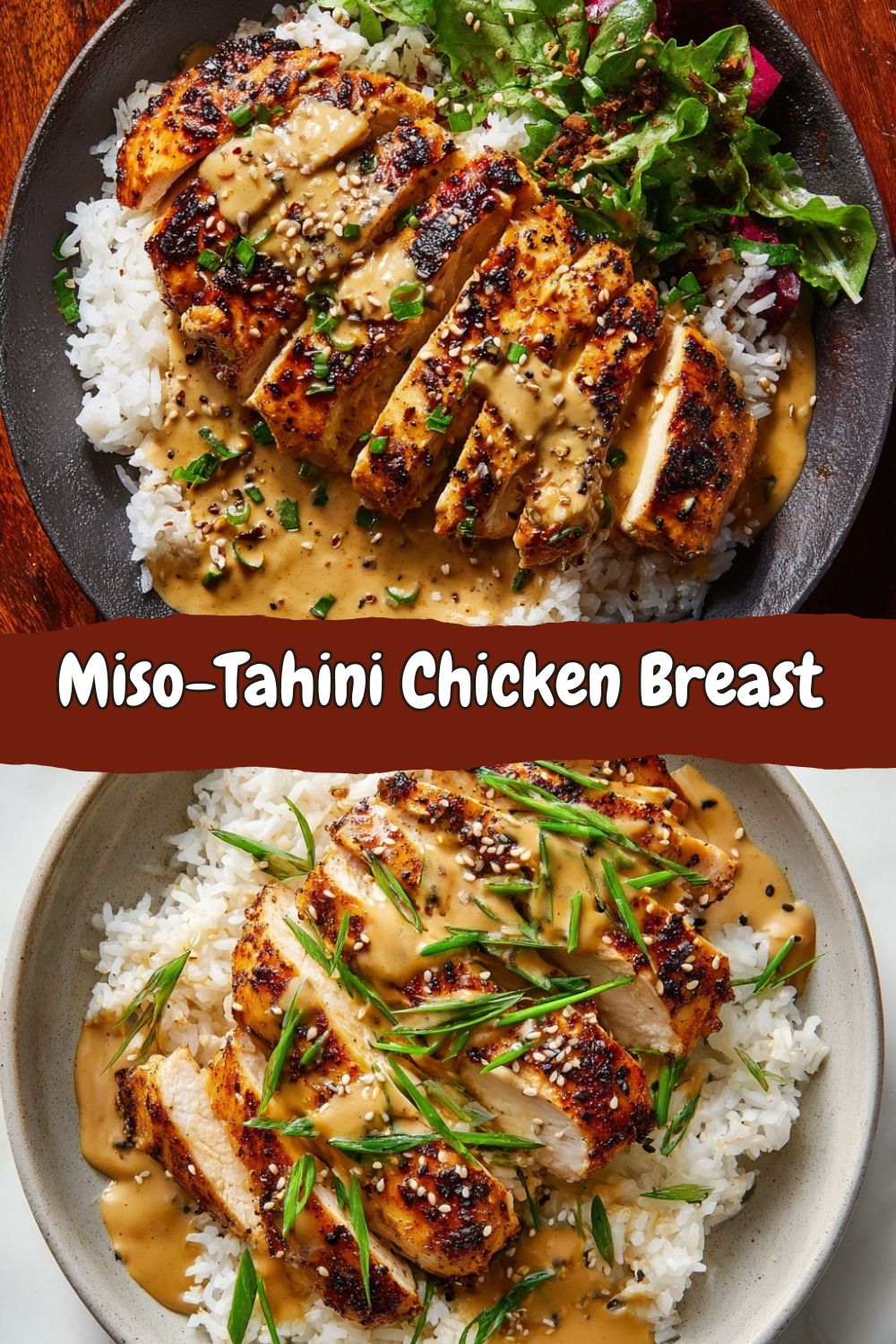
The “Aha!” Moment in a Too-Full Fridge
This recipe was born from a classic Jackson situation: a fridge clean-out that turned into a happy accident. A few years back, I was staring at the condiment shelf—you know, the one that becomes a graveyard for half-used jars and tubes. There was the almost-finished tub of white miso from a ramen kick, and right next to it, a jar of tahini left over from a hummus phase. I was about to make my usual pan-seared chicken, feeling the routine of it.
And then it hit me. Both are pastes. Both are packed with fat and flavor. Both have this incredible ability to create a luxurious, clingy sauce. What if… I just… whisked them together? I threw in a grating of garlic, a splash of rice vinegar for brightness, and a tiny kiss of honey to round it out. The second I dipped a spoon into that silky, beige mixture and tasted it, I did a literal little dance right there in my kitchen. It was everything—salty, sweet, tangy, nutty, deep. I poured it over that simple chicken, and just like that, a fridge-clean-out special became a permanent part of my recipe rotation. It’s a reminder that the best flavors often come from playing with what you’ve got.
Gathering Your Flavor Arsenal
Here’s the beautiful part: the ingredient list is short and sweet. Each one is a powerhouse, and knowing a bit about them makes the cooking process even more fun.
For the Chicken:
- 2 boneless, skinless chicken breasts: The main event! I look for ones that are roughly the same size for even cooking. Chef’s Insight: If they’re super thick, I’ll gently pound them to an even ¾-inch thickness. It makes them cook faster and more evenly.
- Salt & pepper: The foundational seasoning. Don’t be shy—seasoning the meat itself is key, even with a powerful sauce.
- 1 tbsp olive oil or sesame oil: Olive oil is my neutral go-to, but sesame oil? That’s a flavor power move. It doubles down on the nutty tahini notes. Use a toasted sesame oil for maximum aroma.
For the Miso-Tahini Sauce:
- 1 tbsp white miso paste: This is our umami engine. White (or yellow) miso is mellower and sweeter than red miso, perfect for a balanced sauce. Sub Tip: If you only have red miso, use ¾ tbsp—it’s more potent!
- 2 tbsp tahini: Pure ground sesame seeds. It brings a creamy, slightly bitter nuttiness. Give the jar a REALLY good stir before you scoop—the oil separates like crazy.
- 1 tbsp rice vinegar or lemon juice: Our brightening agent. Rice vinegar is subtly sweet, lemon juice is more direct and tangy. Both are fantastic.
- 1 tsp soy sauce: Adds a layer of salty depth and reinforces the savory notes. Chef’s Insight: A splash of soy sauce in non-Asian sauces is one of my favorite secret weapons.
- 1 tsp honey or maple syrup: Just a touch to harmonize the salty and tangy elements. Maple syrup keeps it vegan-friendly.
- 1 garlic clove, grated: Grated garlic melts seamlessly into the sauce, giving you flavor without sharp, raw bits.
- 1–2 tbsp warm water: The magic key to sauciness! Adding it slowly turns the thick paste into a luscious, drizzle-able consistency.
Optional Toppings for the Grand Finale:
- Sesame seeds: For a little crunch and visual pop.
- Thinly sliced scallions: A must for me! They add a fresh, oniony bite.
- Chili flakes or a drizzle of chili crisp: If you like a bit of heat, this is the way to go.
Let’s Build Your Flavor Bomb, Step-by-Step
Okay, flavor crew—time to fire up the stove. This whole process is as satisfying as it is simple. We’re going to cook with confidence.
Step 1: Prep & Sear the Chicken
First, take your chicken breasts out of the fridge and pat them completely dry with paper towels. This is a non-negotiable step for a proper sear! Wet chicken steams; dry chicken gets that gorgeous, golden-brown crust. Season both sides generously with salt and pepper.
Heat your skillet (I use a trusty cast-iron or stainless steel) over medium-high heat. Add the oil. Once the oil is shimmering—you should see it moving easily in the pan—carefully lay the chicken breasts in. You should hear a confident sizzle. That’s the sound of flavor developing!
Let them cook, undisturbed, for 5-6 minutes. Don’t poke them! We’re building that crust. You’ll know it’s ready to flip when the edges look opaque and the chicken releases easily from the pan. Flip them over and cook for another 5-6 minutes on the other side, or until the internal temperature reaches 165°F in the thickest part. Transfer them to a plate and let them rest for 5 minutes. Chef’s Hack: Resting is crucial! It lets the juices redistribute so every slice is juicy, not dry.
Step 2: Whisk Up the Magical Sauce
While the chicken rests (or even before you start cooking), let’s make the sauce. In a small bowl, add the miso paste, tahini, rice vinegar (or lemon juice), soy sauce, honey, and grated garlic.
Now, take a whisk or fork and start stirring. It’s going to look thick, clumpy, and maybe even a bit questionable at first—don’t panic! This is totally normal. The pastes are just getting to know each other.
Start adding the warm water, one tablespoon at a time, whisking vigorously after each addition. Like magic, it will loosen up and transform from a thick paste into a smooth, creamy, pourable sauce. Think of the consistency of a good salad dressing or heavy cream. Taste it! Adjust with a pinch more honey if you want sweetness, or a drop more vinegar for brightness. This sauce is your creation.
Step 3: Slice, Sauce, and Devour
After your chicken has rested, place it on a cutting board. Slice it against the grain on a slight diagonal. This makes for more tender, attractive slices. Arrange the slices on a platter or individual plates. Now, take that beautiful miso-tahini sauce and spoon or drizzle it liberally all over the warm chicken. The warmth of the chicken will make the sauce even more aromatic.
Finish with your toppings—a shower of scallions, a sprinkle of sesame seeds, and a pinch of chili flakes if you’re feeling spicy. And just like that, in about the time it takes to watch a sitcom, you’ve made a restaurant-worthy dish.
How to Serve It Up Like a Pro
This chicken is the star, but every star needs a great supporting cast. Here’s how I love to plate it up:
My absolute go-to is a bed of fluffy jasmine or short-grain rice. The plain, steamy rice is the perfect canvas to soak up every last drop of that incredible sauce. I’ll often add a simple side of quickly sautéed greens (spinach, bok choy, or broccoli) tossed with a little garlic and sesame oil. The green color makes the plate pop, and it feels like a complete, balanced meal.
Feeling noodly? Toss the sliced sauced chicken with cooked soba or udon noodles and a splash of the pasta water to make it into a cohesive, saucy noodle bowl. For a low-carb option, pile the chicken on a huge bed of crunchy romaine or massaged kale for a killer salad—just double the sauce recipe to use as a dressing.
No matter how you serve it, the goal is simple: get that sauce on everything.
Make It Your Own: 5 Flavorful Twists
The beauty of this recipe is its flexibility. Once you master the base, the world is your flavor oyster. Here are a few of my favorite riffs:
- The Ginger Zinger: Add a thumbnail-sized knob of fresh ginger, grated, to the sauce along with the garlic. It adds a bright, spicy warmth that’s incredible.
- Go Vegan/Vegetarian: This sauce is a dream on pan-seared extra-firm tofu, thick slices of roasted cauliflower, or even roasted sweet potatoes. Just swap the honey for maple syrup.
- Citrus Blast: Use fresh lime juice instead of rice vinegar and add a bit of lime zest to the sauce. Top with fresh cilantro instead of scallions for a totally different vibe.
- Spicy Sesame Kick: Whisk 1-2 teaspoons of sriracha or gochujang (Korean chili paste) into the sauce. The gochujang adds a sweet-spicy-fermented complexity that’s next-level.
- Herb Garden Delight: Stir a handful of finely chopped fresh herbs into the finished sauce. Basil, cilantro, or dill all work surprisingly well, adding a fresh, green layer.
Jackson’s Kitchen Notes
Over the hundreds of times I’ve made this, I’ve learned a few things. First, the sauce thickens as it sits. If you make it ahead and it seizes up, just whisk in another splash of warm water to bring it back to life. Second, this sauce is a fantastic fridge staple—it keeps for up to a week! I’ll use leftovers as a dip for crudités, a dressing for a grain bowl, or a spread on a sandwich. It’s that versatile.
And a funny story: I once was filming this recipe and got so excited talking to the camera that I completely forgot to add the water to the sauce. I just kept whisking these pastes together, getting a thicker and thicker paste, wondering why it wasn’t saucing! We had a good laugh in the edit. So if your sauce looks too thick, you’re probably just in the “pre-water” stage like I was. Trust the process—the water is the game-changer.
FAQs & Quick Fixes
Q: My sauce is too thick/grainy. What did I do wrong?
A: You likely just need more liquid and more whisking! Add warm water, a teaspoon at a time, and whisk vigorously until it becomes smooth and creamy. Also, make sure your tahini is well-stirred. If the separated oil isn’t incorporated, it can throw off the texture.
Q: Can I use chicken thighs instead?
A: Absolutely! Bone-in, skin-on thighs would be amazing. Sear the skin side until crispy, flip, and finish cooking in a 375°F oven until done. The richer flavor of thighs pairs wonderfully with the sauce.
Q: I don’t have miso. Is there a substitute?
A: Miso is pretty unique, but in a pinch, you could use a tablespoon of soy sauce + ½ teaspoon of nutritional yeast for savoriness, though you’ll lose the fermented depth. Honestly, it’s worth grabbing a tub of miso—it lasts for months in the fridge and is a flavor powerhouse for soups, marinades, and dressings.
Q: How do I store and reheat leftovers?
A: Store sliced chicken and sauce separately in airtight containers in the fridge for up to 3 days. Reheat the chicken gently in the microwave or a covered skillet with a tiny splash of water to prevent drying. Sauce can be used cold or warmed slightly.
Nutritional Info (Because Knowledge is Power!)
Here’s a rough breakdown per serving (one sauced chicken breast, without sides or extra toppings). Remember, this is an estimate, and exact numbers can vary based on your specific ingredients and portion sizes.
- Calories: ~360 kcal
Protein: ~34g
Fat: ~20g (largely from tahini and oil—satisfying, flavor-carrying fats)
Carbohydrates: ~6–8g
Fiber: ~2g
Sugar: ~3g
This is one of those rare dishes that feels indulgent but is quietly balanced. You’ve got lean protein to keep you full, healthy fats that make the sauce luxurious and satisfying, and just enough sweetness and acidity to keep every bite interesting. It’s naturally dairy-free, easy to adapt, and pairs beautifully with grains, greens, or veggies depending on how hearty you want to go.
The Takeaway: This Is How You Win Weeknight Cooking
If chicken breast has ever felt boring to you, let this be the recipe that changes your mind.
This Miso-Tahini Chicken isn’t about complicated steps or specialty ingredients—it’s about smart flavor pairing. It’s proof that when you combine the right ingredients, you can create something that tastes layered, intentional, and genuinely exciting in under 30 minutes.
This is the kind of dish that sneaks into your regular rotation. The one you make once “just to try it,” and then suddenly you’re doubling the sauce, using it on roasted veggies, drizzling it over bowls, and wondering how you ever lived without it.
If you try it, I’d love to hear how you made it your own. Did you go spicy? Add ginger? Turn it into a noodle bowl? Drop a comment or tag me @FoodMeld—I’m always here for a good flavor remix.
Until next time, keep playing with your pantry, trust your instincts, and remember: bold flavor doesn’t have to be complicated.
— Jackson