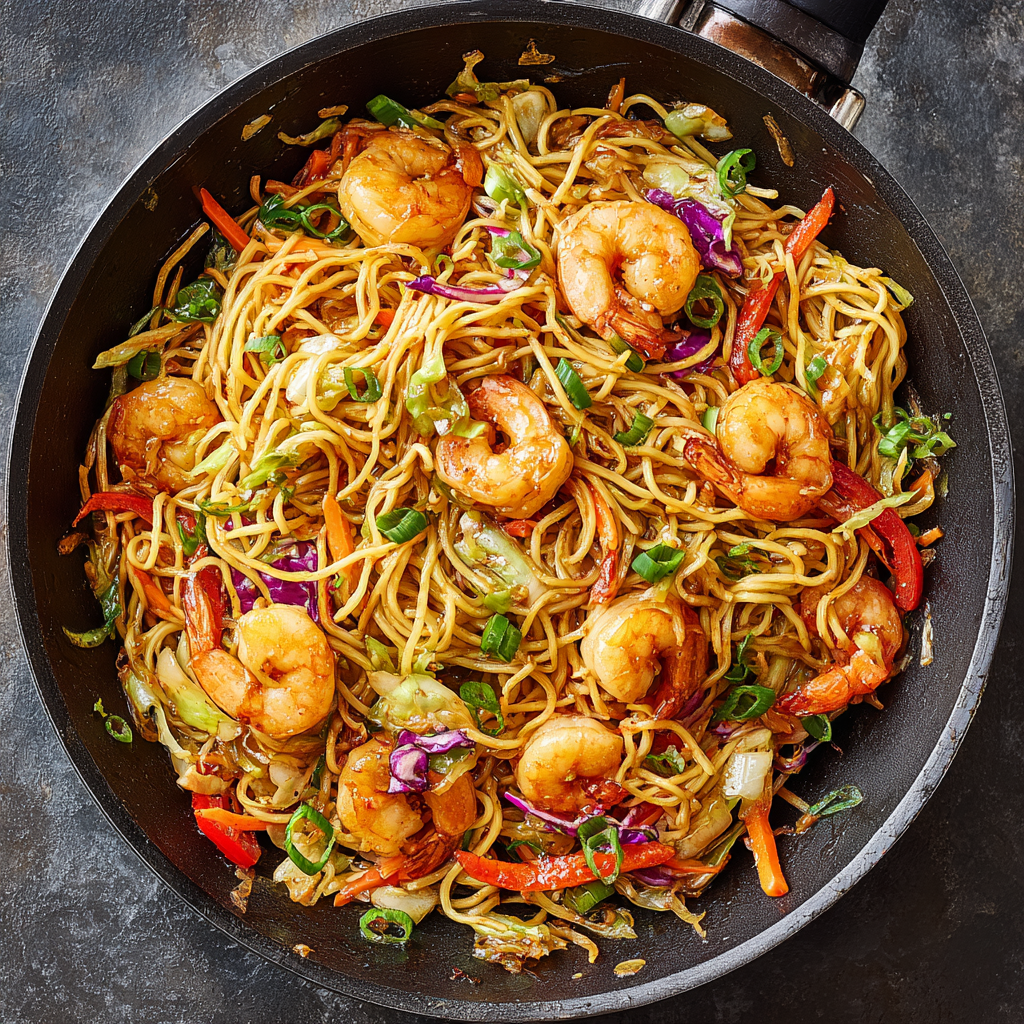
Forget Takeout: This Honey-Garlic Shrimp Chow Mein is Your New Weeknight Hero
Hey friends, Jackson from Food Meld here. Let’s get real for a second. How many times have you found yourself staring into the fridge after a long day, your stomach growling, completely uninspired by the prospect of cooking, and your thumb hovering over the takeout app? I’ve been there more times than I can count. The siren call of that plastic container of noodles and shrimp is strong, I get it. But what if I told you that you could create something even better—fresher, more flavorful, and downright exhilarating—right in your own kitchen, in less time than it takes for delivery to arrive?
That’s the magic of this Honey-Garlic Shrimp Chow Mein. We’re talking about juicy, plump shrimp, glazed in a sticky, sweet, and savory sauce that you’ll want to eat with a spoon. We’re tossing them with golden, springy chow mein noodles and a vibrant confetti of crisp-tender vegetables. Every single bite is a perfect harmony of texture and flavor. This isn’t just a recipe; it’s your ticket to breaking free from the takeout rut. It’s fast, it’s fun, and it fills your kitchen with the most incredible aroma that will have your whole family gathered around, wondering what incredible feast you’ve whipped up. So, tie on your apron, grab your favorite wok or skillet, and let’s turn a regular weeknight into a flavor adventure. You’ve got this, and I’m right here with you.
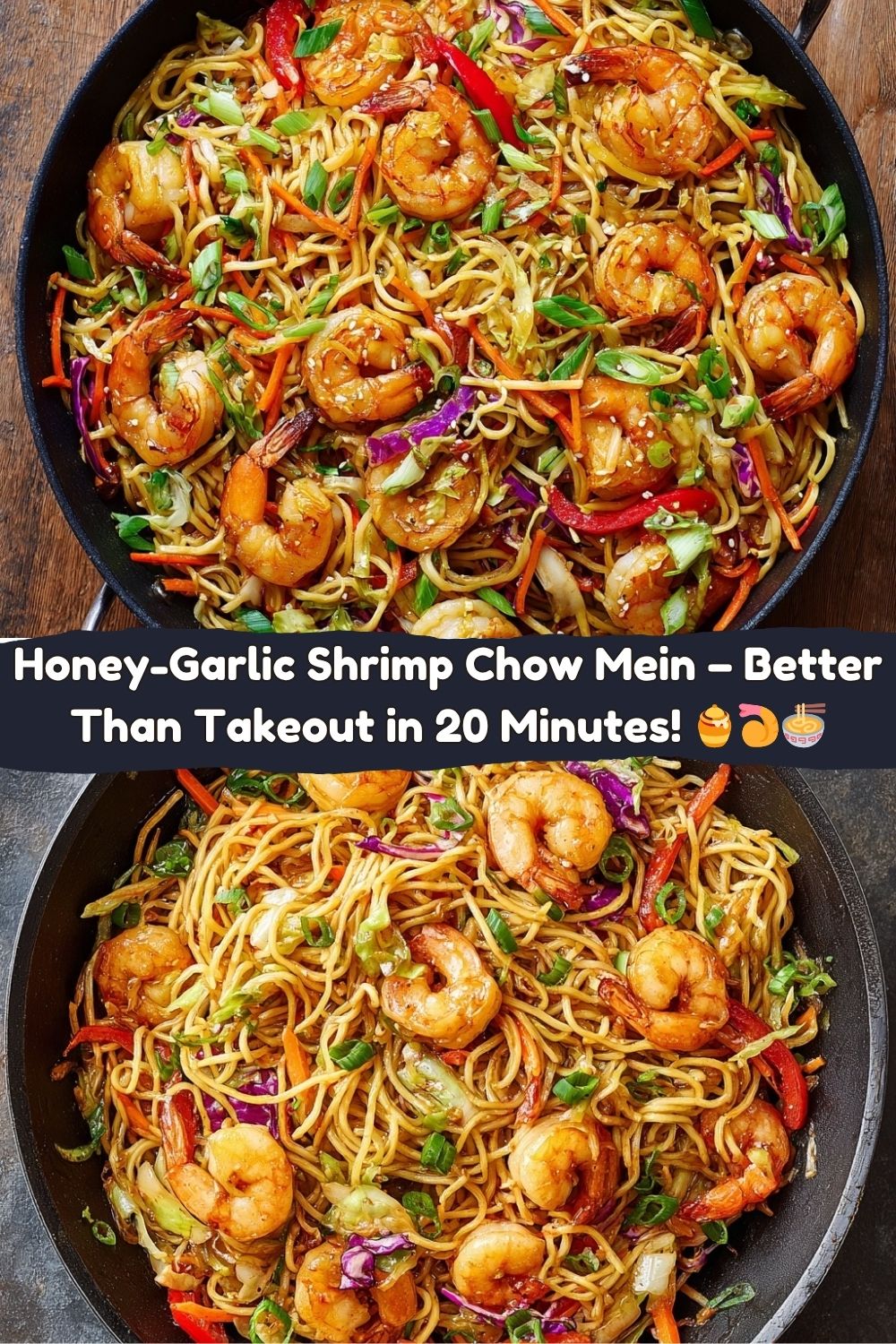
The Chow Mein That Started It All
This dish takes me right back to my grandma’s bustling kitchen. She was a force of nature, a Southern lady through and through, but she had a serious love affair with global flavors long before “fusion” was a buzzword. I’ll never forget this one sweltering summer evening. She decided we weren’t having the usual fried chicken or okra stew. Instead, she pulled out this massive, well-seasoned wok she’d bought on a whim, declared we were having “Chinese night,” and started chopping veggies with a speed that left little-kid-me in awe.
She didn’t follow a recipe—she just cooked. A little soy sauce here, a big glug of honey there, a mountain of minced garlic. The smell was intoxicating. When she finally tossed those shrimp and noodles together in that glorious, sticky sauce, it was a revelation. It was nothing like the takeout I’d had before. It was brighter, bolder, and felt… alive. That meal taught me one of my core cooking philosophies: don’t be afraid to mix it up. Take your roots, add a dash of global inspiration, and just go for it. That “what if we tried this?” energy is the heart and soul of Food Meld, and it’s the spirit we’re bringing to this chow mein today.
Gathering Your Flavor Arsenal
Here’s everything you need to build this masterpiece. Don’t stress about being exact—cooking is about feeling, not just measuring!
- 1 lb Shrimp (peeled and deveined): I like to use large (26/30 count) for a meatier bite. Pro tip: Pat them bone dry with a paper towel before cooking. This is the secret to getting a beautiful sear instead of them steaming in their own juice. Thawed frozen shrimp work perfectly here!
- 12 oz Chow Mein Noodles (or thin egg noodles): The star of the show! You can find fresh or dried chow mein noodles in the Asian aisle of most supermarkets. If you can’t find them, linguine or spaghetti make a surprisingly great stand-in. We’re keeping it real, remember?
- 2 tbsp Oil (vegetable or sesame): We’ll use a neutral oil like vegetable or avocado for cooking, and then finish with a drizzle of fragrant sesame oil at the end for that classic, nutty aroma.
- 3 Garlic Cloves, minced: Don’t you dare use the jarred stuff! Fresh garlic is non-negotiable for that punchy, aromatic base. Mince it fine so it melts right into the sauce.
- The Veggie Crew (1 small onion, 1 cup shredded carrots, 1 cup shredded cabbage, ½ red bell pepper): This is your chance to clean out the fridge! The combo of colors and textures is what makes this dish so special. The cabbage gets wonderfully silky, while the carrots and bell pepper keep a satisfying crunch.
- 2 Green Onions, sliced: We’ll use these as a fresh, bright garnish right at the end. They’re the little green confetti that says, “Yeah, I know what I’m doing.”
For the Magic Honey-Garlic Sauce:
- ¼ cup Soy Sauce: This is our salt and umami base. For a gluten-free version, tamari or coconut aminos work beautifully.
- 3 tbsp Honey: This is what creates that incredible, glossy, sticky-sweet glaze. Agave nectar or maple syrup are great vegan swaps.
- 1 tbsp Oyster Sauce (optional but adds depth): This is my secret weapon for adding a deep, savory, complex flavor. If you don’t have it, don’t panic—the dish will still be delicious. But if you do, it’s a game-changer.
- 1 tbsp Rice Vinegar or Lime Juice: A crucial splash of acidity to balance all that sweetness and saltiness. It keeps the sauce from feeling too heavy.
- 1 tsp Sesame Oil: Pure fragrance in a bottle. We add this off the heat to preserve its delicate flavor.
- 1 tbsp Cornstarch mixed with 2 tbsp water (slurry): This is our thickening agent. It transforms the thin sauce into a luxurious, clingy glaze that coats every noodle and piece of shrimp perfectly.
Let’s Fire Up the Wok! Your Step-by-Step Guide
Okay, team. Mise en place! That’s just a fancy way of saying “get all your ingredients prepped and within arm’s reach before you start cooking.” Stir-fries move FAST, and you don’t want to be frantically mincing garlic while your shrimp overcooks. Trust me on this.
- Noodle Duty: Cook your noodles according to the package directions. Once they’re done, drain them and give them a quick rinse under cold water. This stops the cooking process and washes away excess starch so they don’t turn into a gummy brick. Toss them with a tiny bit of oil to prevent sticking, and set them aside. Chef’s Hack: If your noodles are stuck together when you’re ready to use them, just run them under warm water for a second to loosen them up.
- Sauce Sorcery: In a medium bowl, whisk together the soy sauce, honey, oyster sauce (if using), and rice vinegar. In a separate small bowl or cup, mix your cornstarch with the 2 tablespoons of water until it’s completely smooth—this is your slurry. Have both bowls ready to go. We’ll add the sesame oil right at the end, off the heat.
- Shrimp Time: Heat a large skillet or wok over medium-high heat. Add 1 tablespoon of your neutral oil. Once the oil is shimmering (seriously, wait for it to get hot!), add your thoroughly dried shrimp in a single layer. Let them sear for 2-3 minutes without moving them—we want a nice golden crust! Flip and cook for another 1-2 minutes until they’re just pink and opaque. Scoop them out and onto a clean plate. They will finish cooking later, so it’s okay if they’re slightly underdone. Overcooked, rubbery shrimp are the enemy of a good time.
- Veggie Party: Add the remaining 1 tablespoon of oil to the same hot pan. Toss in your onions and bell pepper, stir-frying for about a minute until they just start to soften. Now add the garlic and stir for just 30 seconds until it’s fragrant—don’t let it burn! Then, add the shredded carrots and cabbage. Give everything a big toss and cook for another 1-2 minutes. We want these veggies “crisp-tender”—they should still have a bit of a crunch and vibrant color.
- The Grand Finale: Push the veggies to one side of the pan. Give your sauce mixture another quick whisk (the honey likes to sink) and pour it into the empty side of the pan. It should immediately sizzle and simmer. Now, whisk in your cornstarch slurry. Keep stirring and within 30-60 seconds, you’ll see the sauce transform from thin and watery to thick and glossy. It’s pure kitchen magic!
- Bringing It All Home: Now, add the cooked noodles and your reserved shrimp (and any juices on the plate) back into the pan. Using tongs or two big spoons, toss everything together vigorously, making sure that glorious sauce coats every single strand of noodle, every piece of shrimp, and every veggie. Let it all heat through for one final minute. Turn off the heat, and now drizzle in that final teaspoon of sesame oil, tossing one more time. Taste it! Does it need a pinch more salt? A squeeze of lime? Make it yours.
Plating Up Your Masterpiece
You’ve done the hard part, now for the fun! How you serve this can take it from “great dinner” to “restaurant-worthy experience.” I like to use a pair of tongs to create a tall, beautiful nest of the noodles in a shallow bowl. Make sure you get plenty of those juicy shrimp and colorful veggies peeking out. Then, the pièce de résistance: a generous sprinkle of those sliced green onions. They add a pop of color and a fresh, oniony bite that cuts through the richness perfectly.
Want to level it up? A final sprinkle of toasted sesame seeds or a tiny pinch of crushed red pepper flakes adds amazing texture and a hint of heat. For a full-on “fakeaway” feast, serve it alongside some simple steamed edamame, crispy spring rolls, or my quick-pickled cucumber salad. The most important rule? Get it to the table fast and dig in while it’s steaming hot and the noodles are at their absolute best!
Mix It Up! Your Chow Mein, Your Rules
This recipe is a fantastic blueprint, but the real fun begins when you start playing with it. Here are a few of my favorite twists:
- Spicy Kick: Add 1-2 teaspoons of Sriracha or a big pinch of crushed red pepper flakes to the sauce mixture. A little heat plays so nicely with the sweet garlicky flavors.
- Protein Swap: Not a shrimp person? No problem! Thinly sliced chicken breast or thigh, flank steak, or even firm tofu (pressed and cubed) work wonderfully. Just adjust the cooking time accordingly.
- Garden Powerhouse: Clean out that veggie drawer! Thinly sliced mushrooms, snap peas, broccoli florets, or bean sprouts would all be incredible additions. Add tougher veggies like broccoli a minute or two before the softer ones.
- Lighter Option: For a low-carb version, swap the noodles for zucchini noodles (zoodles) or kelp noodles. Just add them raw at the very end and toss with the hot sauce for a minute to warm through—you don’t want them to get soggy.
- Extra Umami Bomb: Stir in a tablespoon of hoisin sauce with the other sauce ingredients for an even deeper, richer flavor profile.
Jackson’s Kitchen Notes & Stories
This recipe has been a work in progress for years. The first time I tried to recreate my grandma’s dish, I made the classic mistake of adding the cornstarch directly to the sauce ingredients instead of making a slurry. Let’s just say I ended up with a wok full of lumpy, gelatinous sauce and a very sad-looking dinner. I learned my lesson the hard way: always mix your cornstarch with cold water first! It’s the little things, I tell ya.
Another evolution? The veggies. My grandma’s original was heavy on the cabbage and carrots, but over the years, I’ve found that the red bell pepper not only adds a beautiful color but a sweetness that complements the honey perfectly. Don’t be afraid to let a recipe grow and change with you.
FAQs & Quick Fixes
Q: My noodles turned out soggy/mushy. What happened?
A: The most common culprit is overcooking the noodles during the initial boil. Make sure to follow the package directions for “al dente,” and don’t forget that quick cold-water rinse to halt the cooking process. They’ll also cook a bit more when you toss them with the sauce, so err on the side of slightly underdone.
Q: My sauce didn’t thicken up. How can I fix it?
A: Don’t panic! First, make sure your cornstarch slurry was well-mixed. If it’s still thin, create a little more slurry (½ tbsp cornstarch + 1 tbsp water) and add it to the simmering sauce. It should thicken right up. Also, ensure your heat is high enough when you add the sauce—it needs a good simmer to activate the cornstarch.
Q: Can I make this ahead of time?
A> You can prep all the components ahead (chop veggies, make sauce, cook noodles), but I highly recommend cooking it fresh. Stir-fries are best served immediately. If you have leftovers, they’ll keep in the fridge for 2-3 days, but the noodles will soften. Reheat gently in a skillet with a tiny splash of water to loosen the sauce.
Q: The dish tastes a little bland. How can I boost the flavor?
A> This is an easy fix! Before serving, do a final taste and season. A extra splash of soy sauce can add saltiness, a squeeze of fresh lime juice can brighten everything up, and a drizzle of toasted sesame oil right at the end makes a world of difference. Remember, you’re the boss of your taste buds!
Nutritional Info (Because We’re Curious!)
Okay, let’s talk fuel. This is a rough estimate per serving (assuming 4 servings), but it can vary based on the exact ingredients and brands you use. The beauty of this dish is that it’s a really well-balanced meal all on its own! You’re getting a solid 28 grams of protein from the shrimp, which is fantastic for keeping you full and satisfied. The carbs (~42g) come mainly from the noodles, giving you that energy boost we all need. The fat (~14g) is mostly from the healthy oils we use to cook. It’s also packed with vitamins from all those colorful vegetables. So, while it’s an indulgent-tasting treat, you can feel good about serving it to your family. It’s a win-win!
You’ve Just Mastered a Takeout Classic
And there you have it! You didn’t just cook dinner; you created an experience. You filled your home with incredible smells, you got a little messy, and you proved that you can make something truly unforgettable without a ton of time or fancy equipment. That’s what Food Meld is all about.