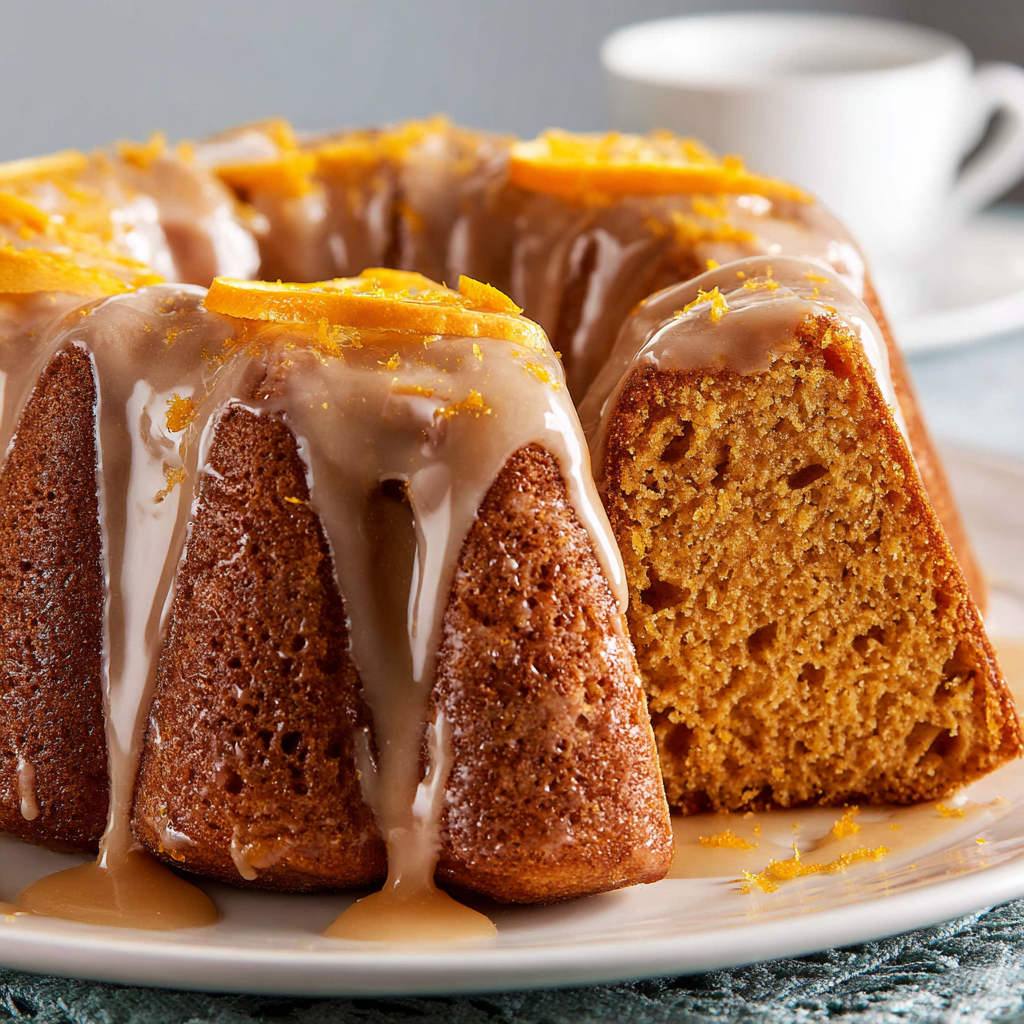
Southern Sweet Potato Pound Cake with Orange Glaze: Your New Holiday Hero
Hey friends, Jackson here from Food Meld. Let’s talk about that moment. You know the one. You walk into a family gathering, and there it is, sitting proudly in the center of the dessert table: a cake that looks like it walked straight out of a food magazine. It’s gorgeous, it smells like heaven, and for a split second, you think, “I could never make something like that.”
I’m here to tell you, with a little bit of “what if we tried this?” energy and a whole lot of fun, you absolutely can. And this Southern Sweet Potato Pound Cake with a zesty orange glaze is that cake. We’re taking the classic, buttery richness of a traditional pound cake and giving it a serious flavor upgrade. We’re melding the warm, earthy sweetness of sweet potatoes with a cozy hug of cinnamon and nutmeg, then blasting it all with a bright, citrusy orange glaze that cuts through the richness perfectly.
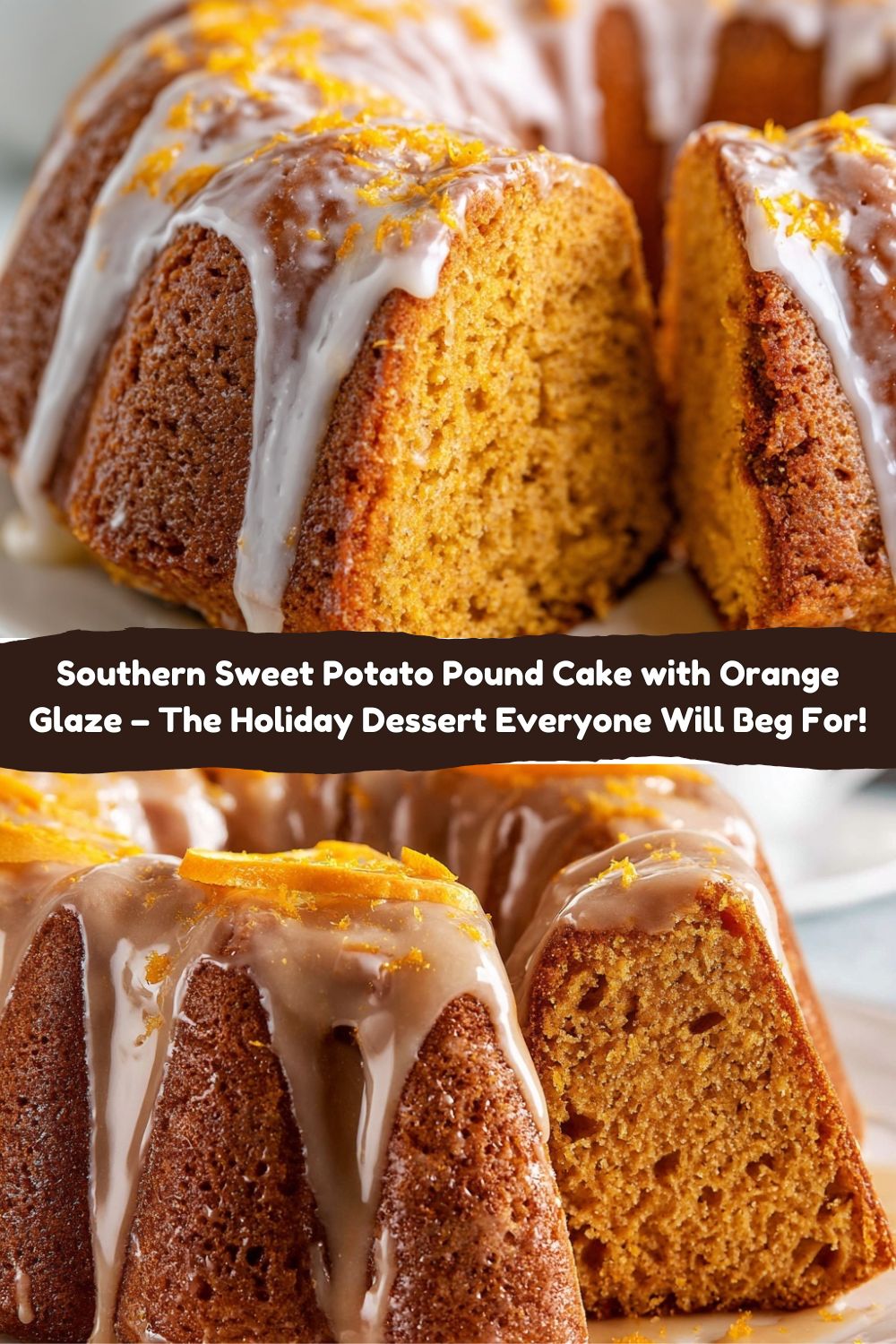
This isn’t just a cake; it’s a experience. The crumb is so incredibly soft and velvety, it practically melts in your mouth. It’s moist without being heavy, spiced without being overwhelming, and sweet without sending you into a sugar coma. It’s the kind of dessert that makes people pause mid-bite, look you dead in the eye, and ask, “What is in this? It’s incredible.” And the best part? It’s deceptively simple. We’re using straightforward ingredients and methods that anyone can master. So, tie on your apron, preheat that oven, and let’s cook something awesome together.
A Slice of Sweet Potato Memory
This cake takes me right back to my grandma’s kitchen in Georgia. It wasn’t a fancy kitchen—Formica countertops, a linoleum floor that had seen a thousand dances, and an oven that you had to coax to the right temperature with a gentle tap and a prayer. But man, could that woman bake. She never followed a recipe for her sweet potato pie, and I’d sit on a stool, watching her mash the potatoes with a force that belied her gentle smile.
One Thanksgiving, she decided a pie wasn’t enough. “Let’s put these sweet potatoes in a cake,” she declared, dusting her hands on her flour-covered apron. I remember the skeptical looks from my aunts, but Grandma just winked at me. The smell that filled that house was pure magic—butter, sugar, and spice. When she pulled that golden-brown cake from the oven, it was a triumph. It was her “meld” moment long before I ever called it that, and it taught me that the best recipes often come from a place of joyful experimentation. This cake is my homage to her, with my own little twist, of course.
Gathering Your Flavor Arsenal
Here’s everything you’ll need to create this masterpiece. Don’t just think of these as ingredients; think of them as your flavor-building team. I’ve included some chef insights and easy swaps to make this recipe your own.
For the Cake:
- 2 cups white sugar: This gives us that classic, tender pound cake crumb and the perfect level of sweetness. For a deeper flavor, you can swap half for light brown sugar.
- 1 cup (2 sticks) butter, softened: This is non-negotiable. Use real, unsalted butter and let it sit out until it’s soft to the touch. This is the secret to a light, fluffy cake, not a dense brick.
- 2 cups mashed cooked sweet potatoes: The star of the show! I roast 2-3 medium sweet potatoes at 400°F until they’re super soft, then scoop out the flesh. It concentrates their sweetness. Canned puree works in a pinch, but roasting is a game-changer.
- 1 teaspoon vanilla extract: The flavor backbone. It rounds out all the other notes.
- 4 large eggs, at room temperature: Room temp eggs incorporate into the batter much more evenly, giving you a consistent texture. Just pop them in a bowl of warm water for 5 minutes if you forgot to take them out.
- 3 cups all-purpose flour: The structure. I always fluff my flour with a spoon before measuring it, then level it off. No packing it down!
- 2 teaspoons baking powder & ½ teaspoon baking soda: Our leavening dream team. They work together to give this dense cake a beautiful, light lift.
- 1 teaspoon ground cinnamon & ½ teaspoon ground nutmeg: The warm, cozy spice squad. Feel free to add a pinch of cloves or allspice if you’re feeling adventurous.
- ¼ teaspoon salt: Crucial for balancing the sweetness and making all the flavors pop. Don’t skip it!
For the Glaze & Garnish:
- 1 cup confectioners’ sugar, sifted: Sifting is key for a lump-free, silky-smooth glaze. Trust me on this one.
- 3–5 teaspoons orange juice: Freshly squeezed is ideal—that bright, zesty flavor is unbeatable. We’ll use the zest, too, so buy a real orange!
- 2 tablespoons fresh orange zest: This is where the magic happens. The zest holds all the potent citrus oils that make the glaze sing.
Let’s Build This Beautiful Cake: Step-by-Step
Alright, team, let’s get our hands dirty. Follow these steps, and you’ll be a pound cake pro in no time. I’m adding my favorite chef hacks along the way to make sure you get perfect results.
- Prep the Pan & Preheat: First things first, get that oven heating to a nice 350°F (175°C). Now, for the pan. I’m using a 10-inch Bundt pan because it makes the cake look fancy with zero extra effort. Grease every nook and cranny with butter or baking spray, then dust it with a light coating of flour. Tap out the excess. This is your insurance policy for a clean release later. Chef Hack: Don’t have baking spray? Use a pastry brush to paint on melted butter—it gets into all those crevices perfectly.
- Cream the Base (This is Important!): In a large mixing bowl, beat the softened butter and sugar together on medium-high speed. We’re not just mixing them; we’re “creaming” them. Beat for a good 3-5 minutes until the mixture is pale, fluffy, and almost white. This step incorporates air, which is essential for that light texture. It should look like a delicious, fluffy cloud.
- Incorporate the Sweet Potatoes & Vanilla: Add your beautifully mashed sweet potatoes and the vanilla extract to the butter-sugar cloud. Mix on medium until it’s completely smooth and uniform. You’ll see the color turn to a lovely warm orange. Scrape down the sides of the bowl with a spatula to make sure everything is combined.
- Add the Eggs, One at a Time: Crack your room-temperature eggs into a small bowl (this saves you from a potential shell-in-the-batter disaster). With the mixer on medium, add the eggs one by one, letting each one fully incorporate before adding the next. This prevents the batter from breaking and ensures a smooth, emulsified mixture.
- Combine the Dry Ingredients: In a separate bowl, whisk together the flour, baking powder, cinnamon, baking soda, nutmeg, and salt. Whisking is like giving your dry ingredients a pre-mix, so the leavening agents and spices are evenly distributed. No one wants a bite of pure baking soda!
- Bring It All Together: Reduce your mixer speed to low. Gradually add the dry ingredients to the wet ingredients. Mix just until the flour disappears. Do not overmix! Overmixing develops gluten and leads to a tough cake. A few streaks of flour are okay; you can fold them in with your spatula at the end. Chef Hack: I add the flour in three parts, letting each one incorporate before adding the next. It’s a gentler process for the batter.
- Bake to Perfection: Pour the thick, beautiful batter into your prepared pan and smooth the top. Slide it into the preheated oven and bake for about 1 hour and 20 minutes. Ovens vary, so start checking at the 1-hour mark. The cake is done when it’s golden brown on top and a long toothpick or skewer inserted into the center comes out clean with just a crumb or two.
- The Crucial Cool Down: This is a test of your patience! Let the cake cool in the pan on a wire rack for 20 minutes—no more, no less. This allows the cake to set and firm up slightly. Then, place your serving plate upside-down on top of the pan, and with confidence (and maybe a kitchen towel), flip the whole thing over. The cake should release with a satisfying sigh. Let it cool completely before glazing.
- Make the Glaze & Garnish: While the cake cools, make the glaze. In a medium bowl, place your sifted powdered sugar. Add the orange juice one teaspoon at a time, whisking until you have a thick but pourable consistency. You want it to ribbon off your whisk. Drizzle this glorious glaze all over the cooled cake. Immediately sprinkle the fresh orange zest on top while the glaze is still wet so it sticks. The contrast of the white glaze and bright orange zest is just *chef’s kiss*.
How to Serve This Stunner
How you serve this cake can turn a great dessert into an unforgettable one. Here are my favorite ways to plate it up:
The Simple Slice: A clean, beautiful slice on a simple white plate lets the cake speak for itself. The marbled interior from the sweet potato is gorgeous.
With a Little Something Extra: For a truly decadent experience, warm a slice gently in the microwave for 15 seconds and serve it with a scoop of high-quality vanilla bean ice cream. The contrast of warm cake and cold ice cream is a classic for a reason. A dollop of freshly whipped cream is also a winner.
The Holiday Centerpiece: This cake is beautiful enough to be the star of your holiday table. Place it on a cake stand, dust the edges with a little extra cinnamon, and maybe add a few fresh cranberries or a sprig of rosemary around the base for a festive touch.
Make It Your Own: Flavor Twists & Swaps
This recipe is a fantastic canvas for your own creativity. Here are a few ways to mix it up:
- Bourbon Pecan Twist: Fold 1 cup of toasted, chopped pecans into the batter right at the end. For the glaze, substitute 1-2 tablespoons of the orange juice with bourbon. It’s a sophisticated, grown-up flavor that’s perfect for a holiday party.
- Maple Brown Sugar Bliss: Replace the white sugar with 1 cup of white sugar and 1 cup of dark brown sugar. In the glaze, use real maple syrup instead of orange juice. This version is deep, caramel-like, and incredibly cozy.
- Dairy-Free & Lighter Version: You can easily make this dairy-free by using a high-quality plant-based butter (I’ve had great results with the stick versions) and a flax egg substitute. The sweet potato keeps it super moist.
- Ginger-Spiced Adventure: Add 1 tablespoon of freshly grated ginger to the wet ingredients and ½ teaspoon of ground ginger to the dry ingredients. The zing of ginger pairs amazingly well with the sweet potato and orange.
Jackson’s Chef’s Notes
This recipe has evolved so much since my first attempt, which I lovingly call “The Brick Incident.” I learned the hard way that cold butter and overmixing are the enemies of a light pound cake. Over the years, I’ve found that roasting the sweet potatoes instead of boiling them adds an incredible depth of flavor that you just don’t get from canned puree.
My favorite part of making this cake now is the smell. It fills the whole house and brings everyone into the kitchen, asking, “Is it ready yet?” That’s the real goal, isn’t it? To create those moments of anticipation and joy. Don’t stress about it being perfect. A slightly lopsided cake or a messy glaze drizzle just adds to its homemade charm.
FAQs & Quick Troubleshooting
Got a question? I’ve probably been there. Here are answers to the most common ones.
Q: My cake is dense and gummy. What happened?
A: The two most likely culprits are overmixing the batter after adding the flour (which develops too much gluten) or using sweet potato that was too wet. Make sure to mix just until combined, and if your mashed sweet potatoes seem watery, you can drain them in a fine-mesh strainer for a bit or even pat them dry with a paper towel.
Q: Can I make this ahead of time?
A: Absolutely! This cake actually gets better and more moist the next day. Bake it, let it cool completely, and wrap it tightly in plastic wrap. You can store it at room temperature for up to 2 days, or freeze the unglazed cake for up to 3 months. Make the fresh glaze the day you plan to serve it.
Q: My cake stuck to the pan! Help!
A> Oh no, we’ve all been there! First, don’t panic. Let the cake cool completely in the pan. Then, you can gently run a thin, flexible knife or an offset spatula around all the edges and the center tube to loosen it. Sometimes placing a warm, damp towel around the outside of the pan for a minute can help loosen it, too.
Q: Can I use pumpkin instead of sweet potato?
A> You can! Canned pumpkin puree works as a 1:1 substitute. The flavor will be slightly different—more earthy and less sweet—but it’s still absolutely delicious. Just make sure you’re using pure pumpkin puree, not pumpkin pie filling.
Nutritional Information*
Okay, let’s be real—this is a celebratory dessert, and it’s meant to be enjoyed! But I know some of you like to keep track, so here’s a general breakdown per slice (based on 14 slices). This is just an estimate, as ingredients can vary.
- Calories: 432
- Fat: 17g
- Carbohydrates: 66g
- Sugar: 41g
- Protein: 5g
- Fiber: 1g
- Cholesterol: 94mg
- Sodium: 304mg
*Remember, the sweet potatoes add a dose of Vitamin A and other nutrients, so you’re basically eating a vegetable. (I’m kidding… mostly!).
Your New Go-To Cake Awaits
And there you have it, friends. My heart and soul poured into a Sweet Potato Pound Cake. This recipe is more than just a list of ingredients and steps; it’s an invitation to create something wonderful, to fill your home with incredible smells, and to share something made-with-love with the people you care about.